The Perimenopause Brain: Anxiety, Rage, Depression & Reinvention
Welcome to the stage of life where your hormones behave like they’ve joined an underground rave: intense, unpredictable, and absolutely unbothered by your very reasonable desire for stability. Perimenopause — that 5 to 15-year rollercoaster between “still cycling” and “fully menopausal” — is basically puberty with a mortgage.
And for many women, especially neurodivergent women, this phase is not just a hormonal shift.
It’s a full system reboot.
Why Perimenopause Feels Like Emotional Chaos
(…And why it’s not your fault)
Estrogen starts rising and crashing like it’s auditioning for a dramatic opera.
Progesterone slowly exits the chat.
Oxytocin dips.
Cortisol increases “just because.”
Meanwhile, your brain is trying to hold together:
your work
your relationships
your emotional load
your to-do list
and everyone else’s emotional stability
…while your biochemistry is essentially flipping the table.
This isn’t “being emotional.”
This is neurochemical turbulence.

Estrogen is a powerful neuromodulator. It influences serotonin (mood), dopamine (motivation, focus), GABA (calm), and oxytocin (connection, bonding, trust) — the four messengers that determine how calm, motivated, connected, and cognitively sharp you feel.
So when estrogen destabilizes?
All four destabilize.
This alone explains why perimenopause feels like a mental and emotional earthquake.
From Superwoman to Super Chaotic
If you catch yourself thinking:
“Why can’t I finish a sentence?”
“Why does grocery shopping feel like a battlefield?”
“Why does noise suddenly feel violent?”
“Why am I overwhelmed by a simple email?”
It’s not because you’re failing at life.
It’s because estrogen directly regulates:
working memory
task initiation
verbal fluency
sensory filtering
emotional regulation
When estrogen drops, the prefrontal cortex — your executive function headquarters — struggles.
For neurodivergent women, who already rely on compensatory strategies, this becomes:
ADHD x 10
brain fog
sensory overload
irritability
shutdowns
emotional depletion
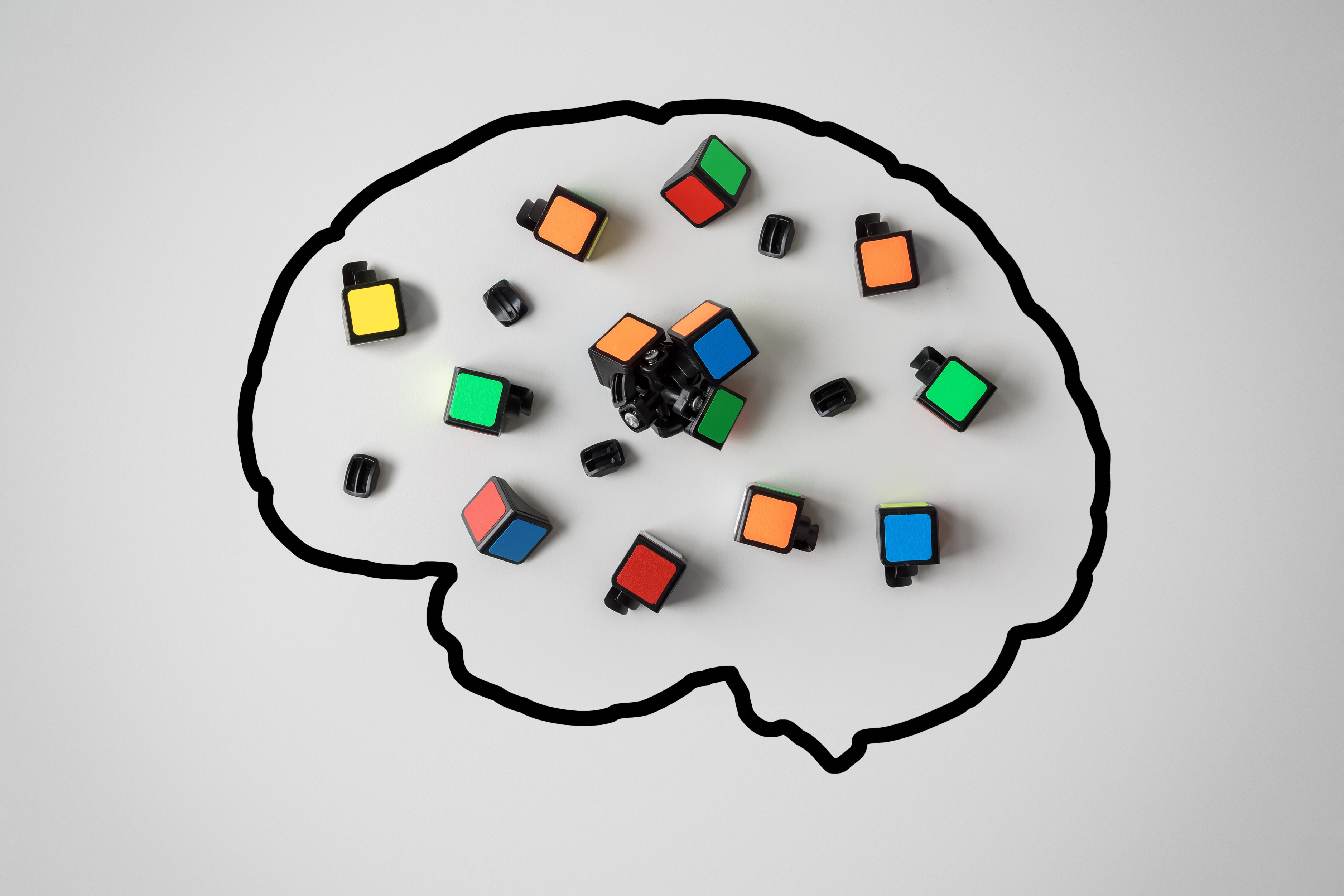
Your brain isn’t breaking.
Your operating system is reorganizing.
Why Neurodivergent Women Struggle More
Here’s the part every neurodivergent woman feels but almost nobody explains:
Masking collapses.
The lifelong mental gymnastics become biologically impossible.
Dopamine sensitivity shifts.
Task initiation, focus, and motivation drop sharply.
Sensory thresholds lower.
Noise, crowds, family life, bright lights — all feel more intense.
Emotional reactivity increases.
Rejection sensitivity, crying spells, irritability, rage, shutdowns: amplified.
Burnout hits faster.
Because estrogen withdrawal drains cognitive and emotional resources.
Self-blame skyrockets.
Because society taught you your struggles were “personality flaws.”
Perimenopause unmasks what was always there.
You’re not falling apart.
You’re being revealed.
The Late Diagnosis Shock
(And why perimenopause triggers it)
Many women only discover they are neurodivergent after 40 — not because symptoms suddenly appear, but because the hormonal scaffolding that once helped them cope is gone.
Suddenly the entire timeline makes sense:
why school felt overwhelming
why motherhood was draining
why careers felt like marathons
why relationships exhausted you
why you always felt “too much” or “not enough”
There is grief.
There is relief.
There is clarity.
You finally have language for experiences you carried silently for decades.

The Suicide Risk Nobody Talks About
This part is heavy, but important.
Research consistently shows:
Suicide rates peak for women in their late 40s and early 50s
Suicide attempts sharply increase during severe perimenopause (especially PMDD)
Neurodivergent women have higher baseline risk
Estrogen withdrawal triggers depressive pathways
Emotional overwhelm + executive dysfunction + misdiagnosis = danger
This is not “in your head.”
This is a neuroendocrine vulnerability window that requires attention, not shame.
This is why hormones and mental health must be discussed together.
The Identity Unraveling Nobody Warned You About
Perimenopause forces questions that cut to the core:
Who am I when I’m not performing?
Who am I without my emotional labour?
Who am I when I stop masking Who am I when I stop pleasing?
Who am I when my oxytocin drops?
Who am I… for myself?
This is not a crisis.
This is a renegotiation of your identity.
You are not losing control — you are losing the conditioning that kept you small.

So How Do You Support a Brain in Transition?
Omega-3s & magnesium
Scientifically supported combo for women in hormonal transition.
Omega-3 (especially EPA) → reduces inflammation, stabilizes serotonin & dopamine
Magnesium glycinate → supports GABA, sleep, stress resilience
Together, they provide calm, clarity, and emotional steadiness.
Gut support
Gut dysbiosis increases anxiety in perimenopause.
A healthy gut:
reduces inflammation
supports mood
helps clear hormones
stabilizes neurotransmitters
A calmer gut = a steadier mind.
Protein + blood sugar regulation
High insulin → mood swings, irritability, anxiety, fatigue.
Protein:
steadies blood sugar
reduces emotional reactivity
protects cognitive clarity
Stabilize insulin → stabilize your mood.
Trauma-informed mental health support
CBT (Cognitive Behavioral Therapy) for cognitive overload
EMDR (Eye Movement Desensitization and Reprocessing) for trauma and emotional processing
PMDD-aware therapy for cyclical mood shifts
ADHD-aware clinicians for dopamine dysregulation

Reducing overstimulation
You’re not “weak.”
Your nervous system is overloaded — especially when hormones are shifting.
In daily life, reducing overstimulation means giving your brain the quiet it desperately needs: taking time for yourself without guilt, choosing calm over chaos, stepping away from noise, screens, bright lights, constant talking, obligations, or multitasking.
It’s slowing down intentionally — sitting in silence for a few minutes, going for a gentle walk alone, taking a long shower, listening to something soothing, or simply doing nothing so your system can reset.
It’s creating pockets of peace during the day so your nervous system can breathe, regulate, and come back to balance.
This isn’t selfish.
It’s biological maintenance.
Resources
Support Tools to Understand Your Emotional Landscape
Your emotional cycle map (English) → recognise your patterns, plan your energy, feel more grounded
PMS/PDMM (English)→ understand mood crashes + learn what stabilizes them