Protein and Hormonal Health
Let’s talk protein! It’s not just about building muscles or making post-workout smoothies—protein plays a massive role in keeping your hormones happy and your body balanced. And yes, we’re going to break it down in a way that makes sense and doesn’t stress you out!
How Protein Helps Your Hormones (And Keeps You Feeling Good)
You’ve probably heard a lot about carbs and fats, but protein is like the behind-the-scenes superstar when it comes to your hormones. Think of it like this: every hormone in your body needs protein to function properly. Here’s the lowdown on how protein is working hard for you:
1. Making Hormones Happen: The Role of Protein in Key Hormones and Health Conditions
Proteins are the building blocks for many vital hormones that regulate essential bodily functions. Without sufficient dietary protein, your body can struggle to produce these hormones, leading to imbalances that contribute to various health issues.
Insulin (PCOS and Insulin Resistance)
• Role of Protein: Insulin, which regulates blood sugar levels, is a hormone made up of amino acids. Adequate protein intake helps stabilize blood sugar by reducing the glycemic impact of meals and supporting insulin production.
• Impact on PCOS: Women with PCOS often experience insulin resistance, which worsens symptoms like irregular cycles, weight gain, and elevated androgen levels. Protein can improve insulin sensitivity by slowing glucose absorption and reducing the need for excess insulin production.
Growth Hormone (Puberty and Adolescence)
• Role of Protein: Growth hormone, which is critical for cell repair, muscle development, and bone growth during puberty, depends on sufficient protein intake. Amino acids like arginine and glutamine play a role in stimulating growth hormone secretion.
• Impact on Puberty: A lack of dietary protein during puberty can delay growth and development, leading to stunted height, reduced muscle mass, or delayed sexual maturation. Growth hormone also supports metabolic health during adolescence, so a protein deficiency can result in fatigue or reduced energy levels.
Menstrual Health
• Role of Protein: Protein is essential for regulating hormones like estrogen and progesterone, which are critical for a healthy and regular menstrual cycle. It supports the production of key reproductive hormones, including FSH (follicle-stimulating hormone) and LH (luteinizing hormone), both of which are necessary for ovulation and maintaining hormonal balance throughout the cycle.
• Impact on Menstrual Health: A lack of dietary protein can disrupt hormone production, leading to irregular or missed periods. It may also contribute to hormonal imbalances, such as estrogen dominance, which can exacerbate conditions like PMS, dysmenorrhea, and menorrhagia. Adequate protein intake helps stabilize the hormonal fluctuations that drive the menstrual cycle, promoting balance and regularity.
Thyroid Hormones (Metabolism and Energy Regulation)
• Role of Protein: Thyroid hormones (T3 and T4), which regulate metabolism and energy, rely on proteins for their synthesis and transport. Amino acids are required to produce thyroxine-binding globulin (TBG), which carries thyroid hormones in the bloodstream.
• Impact on Thyroid Health: Inadequate protein intake reduces thyroid hormone production and transport, slowing metabolism and causing fatigue, weight gain, and mood changes.
Fertility
• Role of Protein: Protein is a cornerstone of reproductive health, helping regulate essential hormones like estrogen and progesterone that maintain a healthy menstrual cycle. It also supports the production of FSH (follicle-stimulating hormone) and LH (luteinizing hormone), which are critical for ovulation and hormonal equilibrium. For women trying to conceive, protein provides the necessary foundation for a healthy reproductive system and facilitates hormonal stability during the early stages of pregnancy.
• Impact on Fertility: A lack of protein can lead to hormonal imbalances that disrupt regular menstrual cycles, causing irregular or missed periods. It may also impair ovulation by reducing the production of FSH and LH, making conception more challenging. Inadequate protein during early pregnancy can affect maternal health and the development of the embryo, underscoring its importance in supporting fertility and creating a balanced environment for conception.
Pregnancy and Postpartum
• Role of Protein: Protein is essential during pregnancy to support the baby’s development, serving as the building blocks for muscles, organs, and connective tissues. It also aids in producing placental hormones, which regulate the pregnancy and maintain the mother’s hormonal balance. Postpartum, protein becomes crucial for recovery, helping with tissue repair, energy restoration, and producing nutrient-rich breast milk for nursing mothers.
• Impact on Pregnancy and Postpartum Health: Insufficient protein during pregnancy can slow fetal growth, leading to complications like low birth weight or developmental delays. For the mother, a protein deficiency increases the risk of fatigue, weakened immunity, and pregnancy-related complications like preeclampsia. During the postpartum phase, inadequate protein can delay recovery, reduce milk production, and prolong fatigue. Ensuring a protein-rich diet supports both maternal health and the baby’s development, fostering recovery and long-term well-being for both.
Menopause
• Role of Protein: Hormonal changes during menopause, including declining estrogen and progesterone levels, can lead to muscle loss (sarcopenia), slower metabolism, and increased fat storage. Protein helps preserve lean muscle mass, supports collagen production, and regulates insulin and cortisol, two fluctuating hormones during menopause.
• Impact on Menopausal Health: Insufficient protein exacerbates muscle loss, skin aging, and slower tissue repair, while worsening fatigue, mood swings, and joint discomfort.
2. Keeping Your Mood in Check
Ever feel like your emotions are on a rollercoaster? Protein is a key player in keeping your mood stable and your stress levels in check. How? It helps your body create neurotransmitters like serotonin and dopamine, which are essential for mood regulation, stress management, and even sleep quality.
When you don’t get enough protein, the production of these mood-regulating chemicals slows down. This can leave you feeling irritable, fatigued, or even experiencing symptoms of anxiety and depression. Think of protein as the foundation for a more balanced emotional state—ensuring fewer rollercoaster moments and more steady, feel-good vibes throughout your day.
3. Detoxifying Hormones
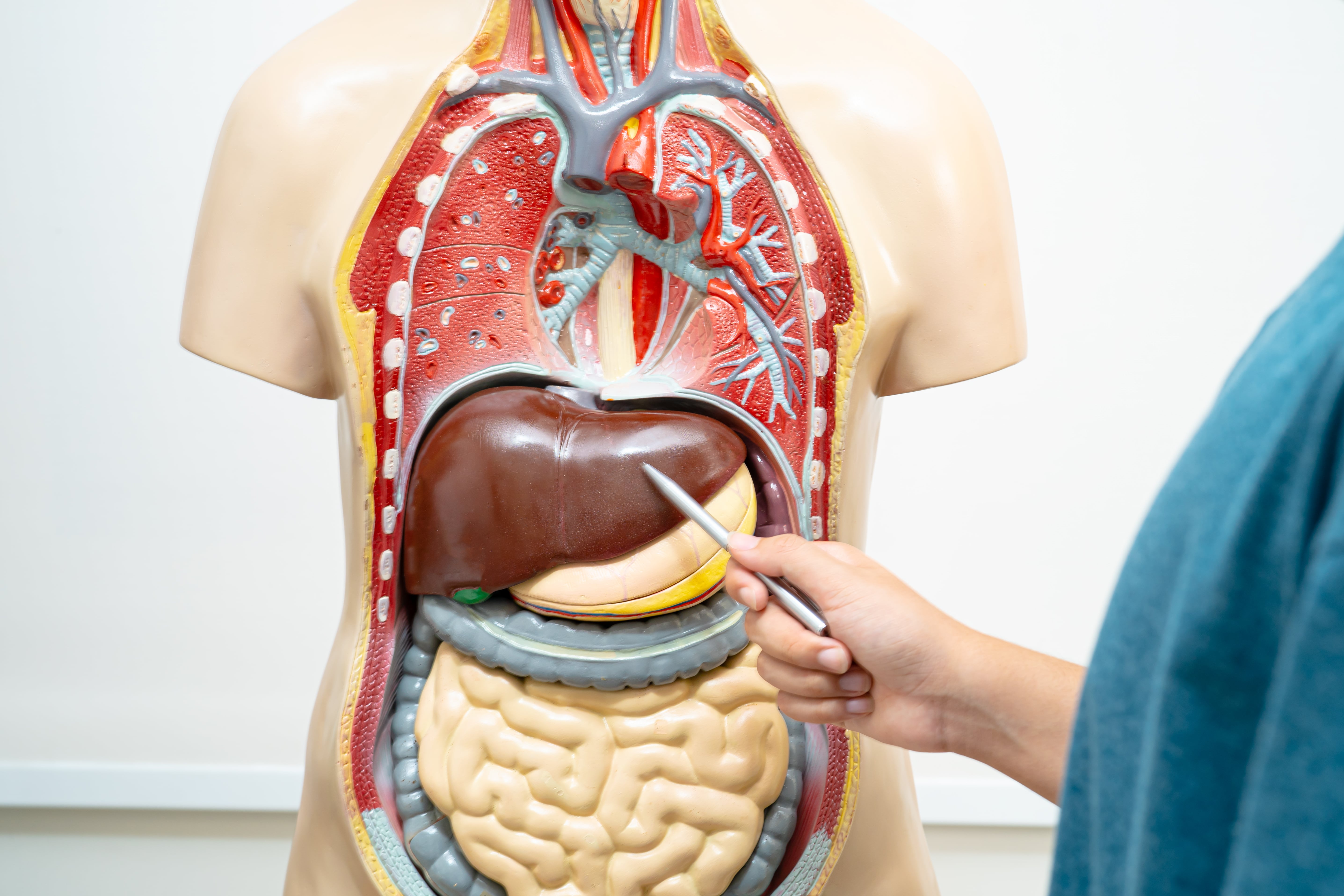
Here’s where protein really shines in supporting hormonal balance. Your liver, the body’s detox powerhouse, relies on amino acids from protein to process and eliminate excess hormones, especially estrogen. This process involves two key phases:
Liver’s Role in Hormone Detoxification
1. Phase I: Oxidation
• In Phase I, the liver uses enzymes, primarily from the cytochrome P450 family, to modify hormones like estrogen. These enzymes prepare estrogen and other hormones for further processing by making them more reactive, which can sometimes result in intermediate forms that require detoxification in the next phase.
2. Phase II: Conjugation
• In this phase, amino acids such as glutamine, glycine, and cysteine (as components of glutathione) play a critical role. They conjugate (bind) reactive hormone metabolites with water-soluble compounds, allowing the body to safely excrete them via bile or urine. This process is essential for removing excess estrogen and preventing accumulation.
Estrogen Dominance and Related Conditions
When these detoxification pathways are compromised—due to protein deficiency, liver dysfunction, or other factors—estrogen levels can build up, leading to estrogen dominance. This imbalance is linked to conditions such as:
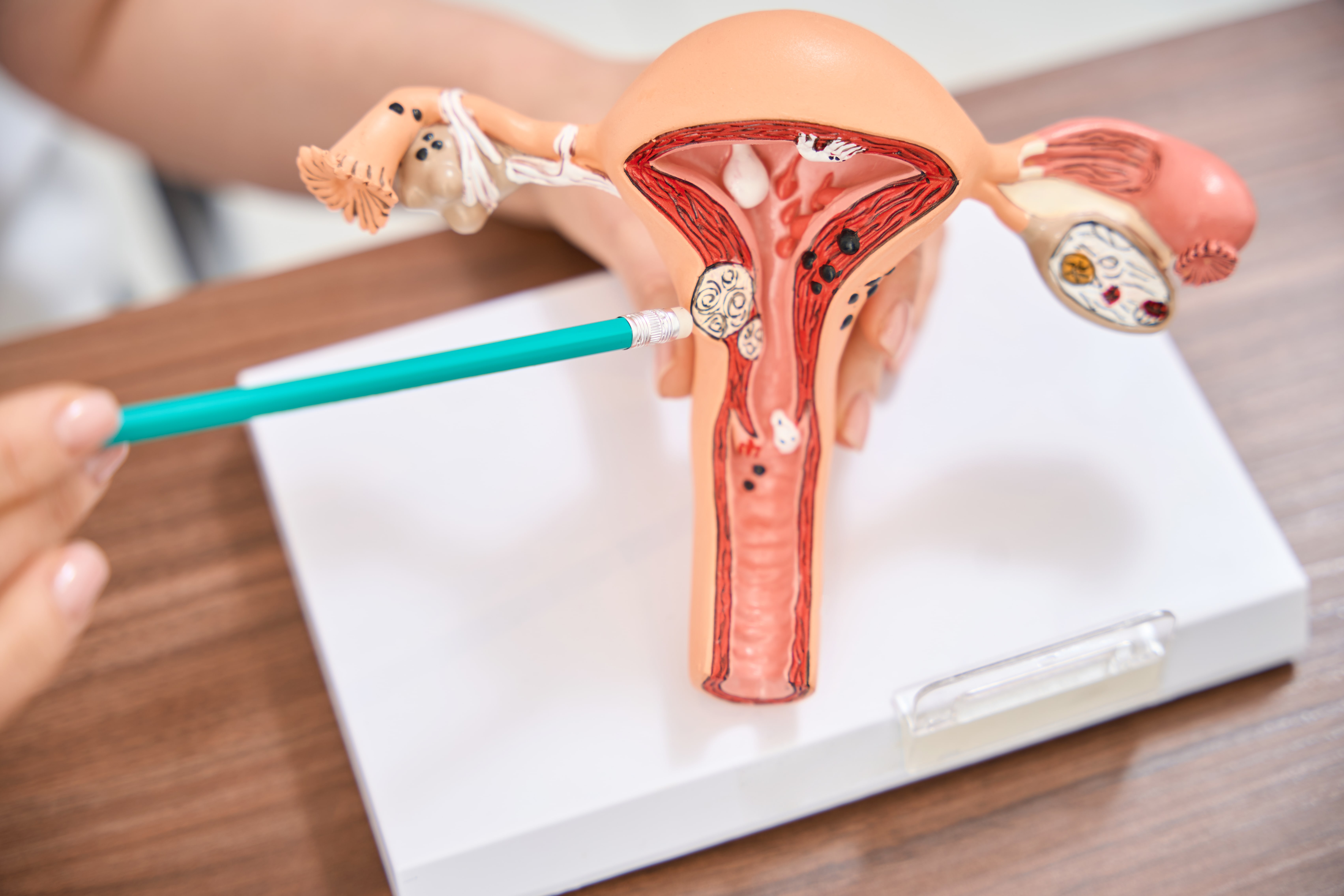
• Endometriosis: Excess estrogen stimulates the growth of endometrial tissue outside the uterus.
• Adenomyosis: Estrogen encourages uterine lining growth into the muscle.
• Dysmenorrhea (painful periods): Inflammatory and hormonal imbalances, often estrogen-driven, exacerbate symptoms.
• Menorrhagia (heavy menstrual bleeding): Excess estrogen relative to progesterone contributes to heavier cycles.

The Takeaway: Keep It Balanced (And Enjoy Your Food!)
The great news is, getting enough protein doesn’t have to be complicated or stressful. It’s all about adding high-quality sources to your meals—whether that’s lean meat, fish, eggs, dairy, or plant-based options like beans, tofu, and quinoa. And because your body can’t store protein, it’s super important to eat it regularly. So don’t worry about the occasional indulgence, just make sure you’re fueling your body with the protein it needs to keep your hormones happy and healthy.
So, whether you’re dealing with irregular cycles, trying to boost your fertility, or just want to feel more balanced—protein is here to help. Now go enjoy that delicious meal and know that you’re nourishing your body in all the right ways!
References
1. Swiss Society for Nutrition. Alimentation pendant la grossesse et l’allaitement. Available at: https://www.sge-ssn.ch/. Accessed January 8, 2025.
2. Campbell, B., Kreider, R., & Ziegenfuss, T. (2007). International Society of Sports Nutrition position stand: protein and exercise. Journal of the International Society of Sports Nutrition, 4(1), 8. Available at: https://jissn.biomedcentral.com/articles/10.1186/1550-2783-4-8.
3. British Nutrition Foundation. Protein and Health. Available at: https://www.nutrition.org.uk/nutritionscience/nutrients-food-and-ingredients/protein.html.
4. Klaassen, C. D., & Watkins, J. B. (2015). Detoxification of Reactive Metabolites. In Comprehensive Toxicology.
5. Bulun, S. E. (2009). Endometriosis. New England Journal of Medicine, 360(3), 268-279.
6. Lu, S. C. (2013). Glutathione synthesis. Biochimica et Biophysica Acta (BBA).