Painful Periods: Why They Happen and How to Eat for Relief
- Talia Dali
- Menstrual Health, Food & Hormones, Endometriosis
Ah, the joys of menstruation—because clearly, life wasn’t busy enough! For some, it’s a mild inconvenience. For others, it’s a monthly endurance test featuring cramps, bloating, and the sudden urge to lie on the floor and question existence.
But why does period pain happen? And why do some women feel like they’re being personally attacked by their uterus while others get off with just a mild ache? More importantly, can what we eat help dial down the intensity? Spoiler alert: yes, it can!
Let’s break it down, one cramp at a time.
Why Do Periods Hurt?
Your uterus is basically a muscular powerhouse, and when your period starts, it contracts to shed its lining. Those contractions are triggered by prostaglandins, hormone-like substances that play a big role in inflammation and pain.
The more prostaglandins you have floating around, the stronger the contractions—and the worse the cramps.
But wait, there’s more! Not all period pain is created equal. There are three main types, and knowing which one you’re dealing with can help you find better ways to manage it.
The Three Types of Period Pain
1. Dysmenorrhea: The “Classic” Period Pain
Dysmenorrhea is the medical term for menstrual cramps—aka the kind of pain that can make you cancel plans, curl up in a ball, and form an emotional bond with your heating pad.
When does it start?
• Usually just before or at the onset of your period, lasting for a few days.
Why does it happen?
• High levels of prostaglandins cause stronger uterine contractions (hello, cramps).
• Inflammation and hormone imbalances can make it worse.
2. Endometriosis: The Overachiever of Pain
Endometriosis is like dysmenorrhea on steroids—painful periods plus a side of chronic inflammation, intense pelvic pain, and potential fertility issues.
In endometriosis, tissue similar to the uterine lining grows outside the uterus, where it doesn’t belong (but still bleeds every month, causing inflammation and scarring).
When does it start?
• Days before your period, lasting well beyond the final day.
• Some women experience pain throughout the month, not just during their period.
Why does it happen?
• The misplaced tissue responds to hormones, just like the uterine lining, but has nowhere to go, leading to inflammation and pain.
3. Adenomyosis: The Hidden Heavyweight
Think of adenomyosis as endometriosis’s introverted cousin—instead of growing outside the uterus, the rogue tissue burrows into the uterine muscle.
When does it start?
• Pain usually kicks in before your period and lasts throughout the cycle.
• Often linked with heavy bleeding and clotting (because why not add more fun to the mix?).
Why does it happen?
• The uterus becomes thick, swollen, and inflamed, making periods longer, heavier, and more painful.
Can Food Help? YES!
While food isn’t a magic cure, it can help reduce inflammation and pain by calming the overactive prostaglandins and supporting hormonal balance.
Here’s the pain-fighting grocery list you need in your life.
The Best Anti-Inflammatory Foods for Period Pain
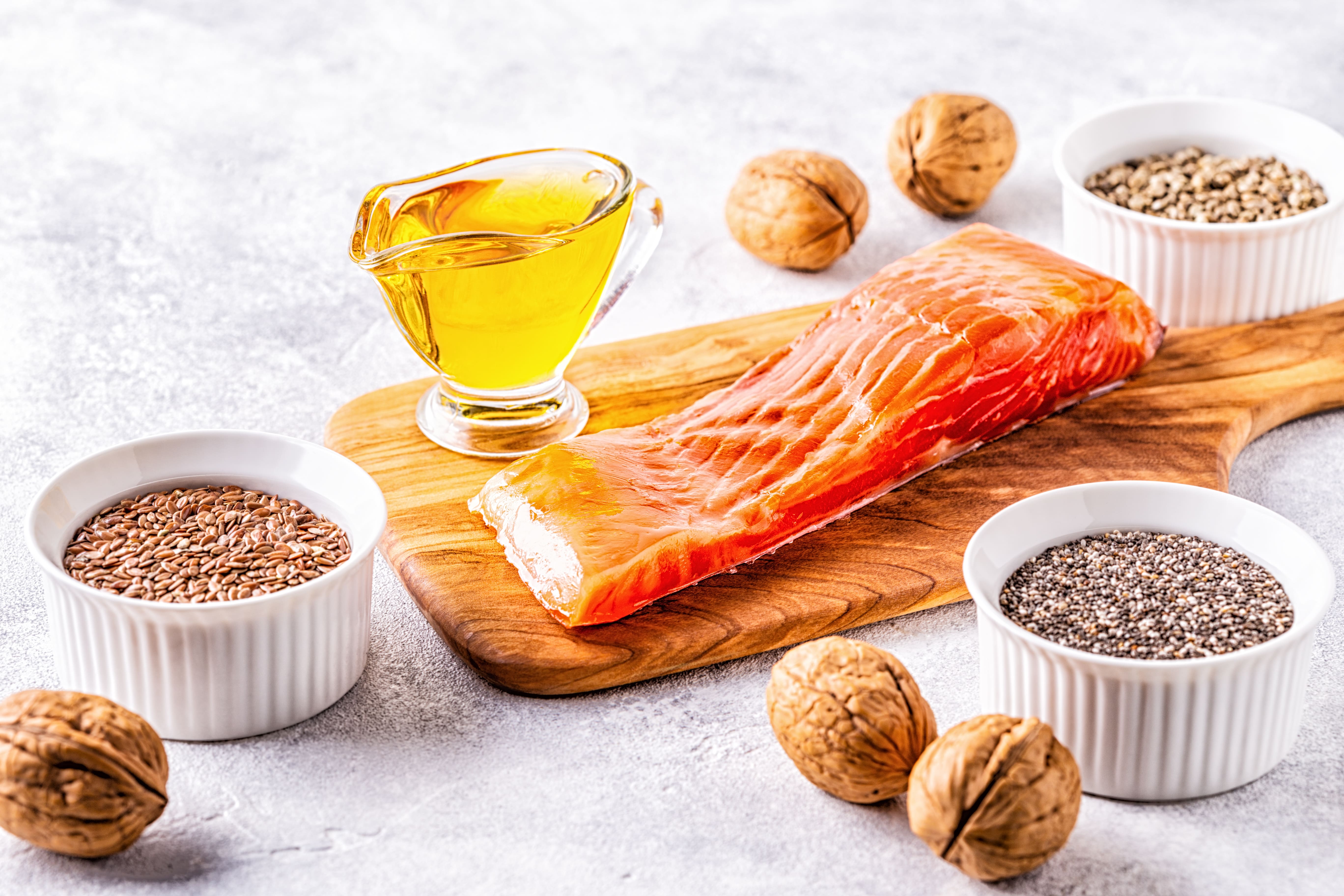
Healthy Fats: Omega-3s are natural prostaglandin regulators, meaning they can help reduce cramping intensity.
Best sources: Fatty fish (salmon, sardines), flaxseeds, walnuts, chia seeds, avocado.
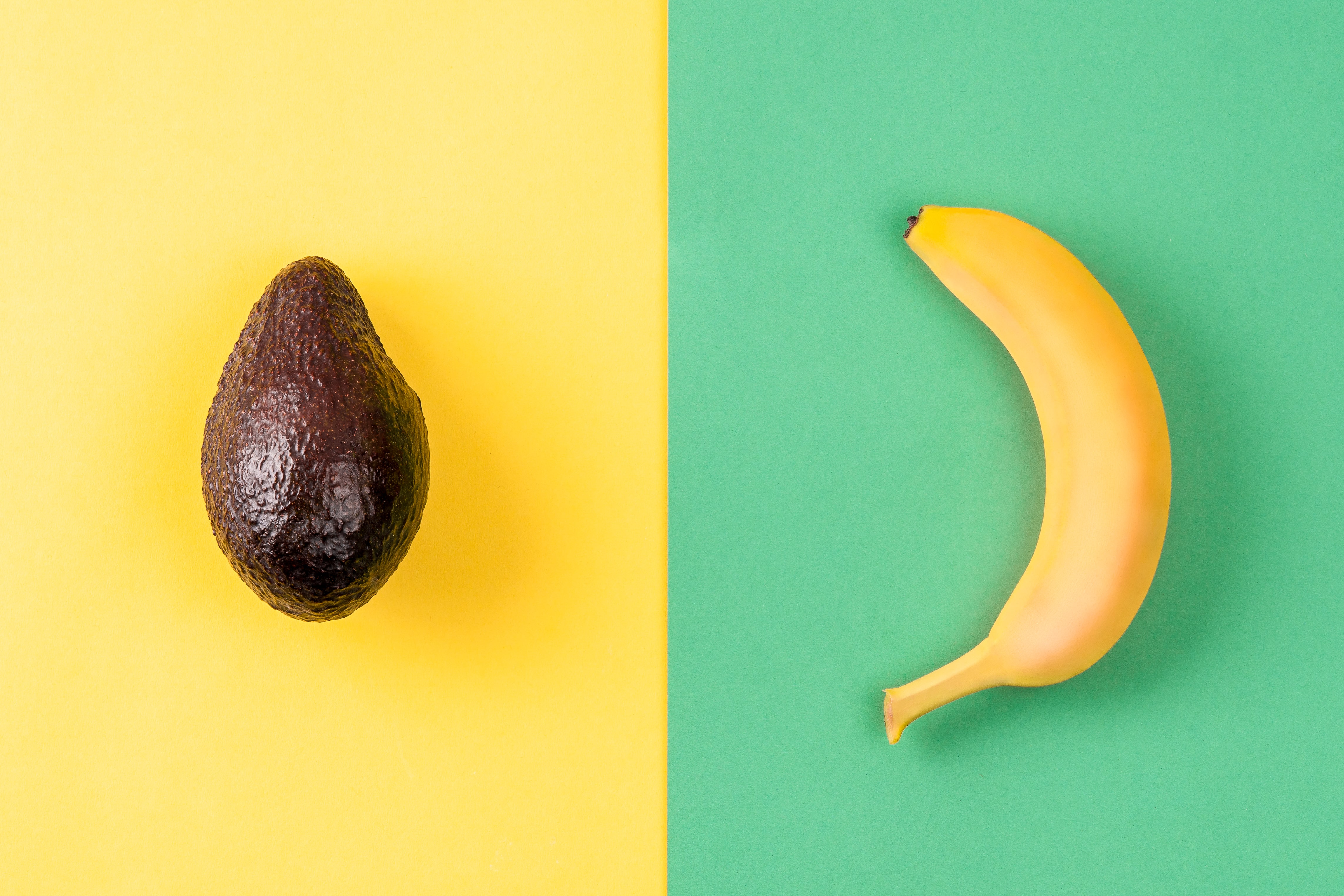
Vitamin B6: The Hormone Balancer: plays a crucial role in hormonal balance, neurotransmitter production, and reducing inflammation, making it a helpful nutrient for easing menstrual cramps.
Best sources: Bananas, avocados, chickpeas, sunflower seeds, pistachios, fortified cereals.
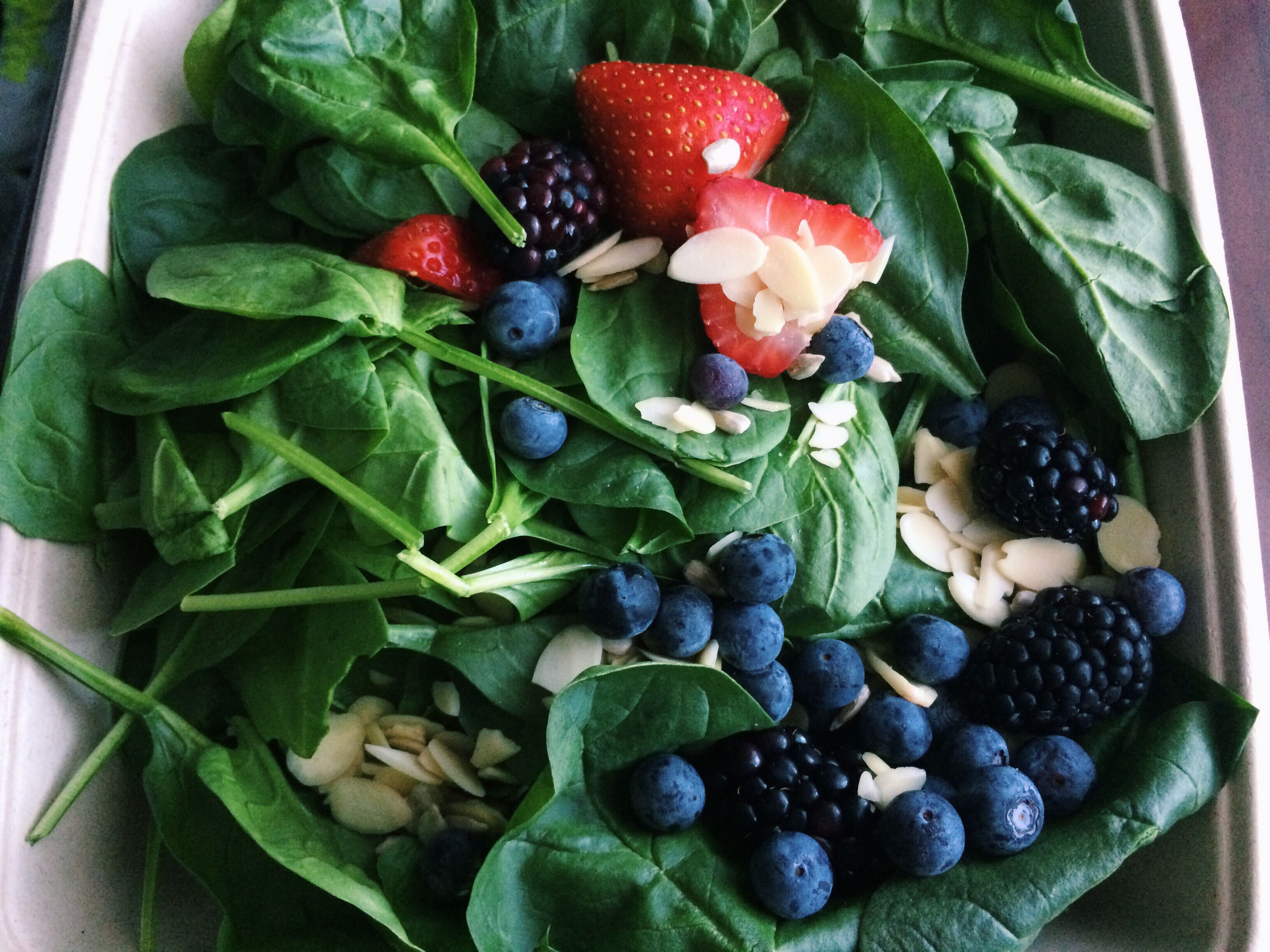
Antioxidant-Rich Fruits & Veggies: Fight oxidative stress and reduce inflammation.
Best sources: Berries, spinach, kale, broccoli, red peppers, turmeric.
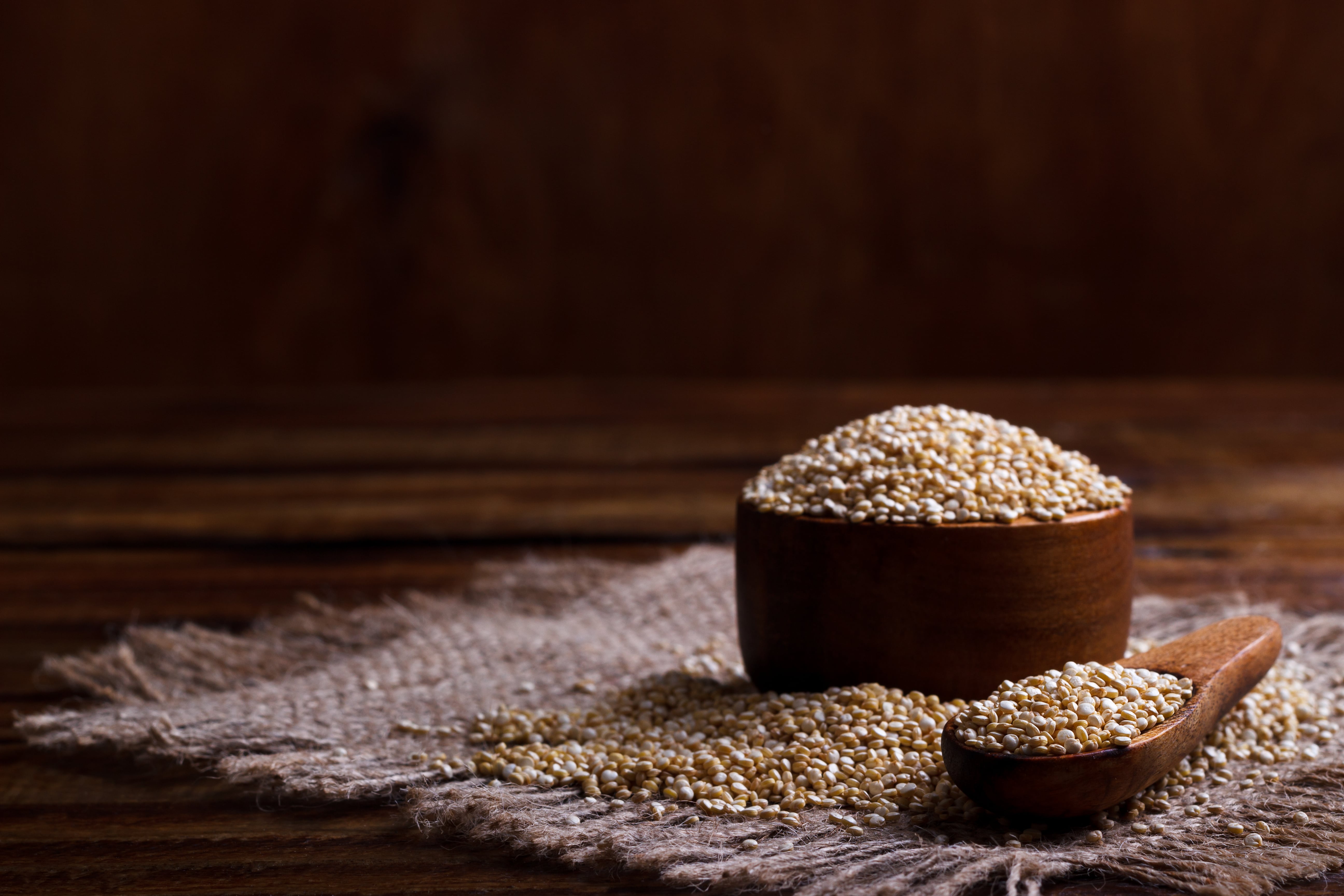
Whole Grains: Help stabilize blood sugar and prevent inflammation.
Best sources: Quinoa, brown rice, oats, whole wheat.
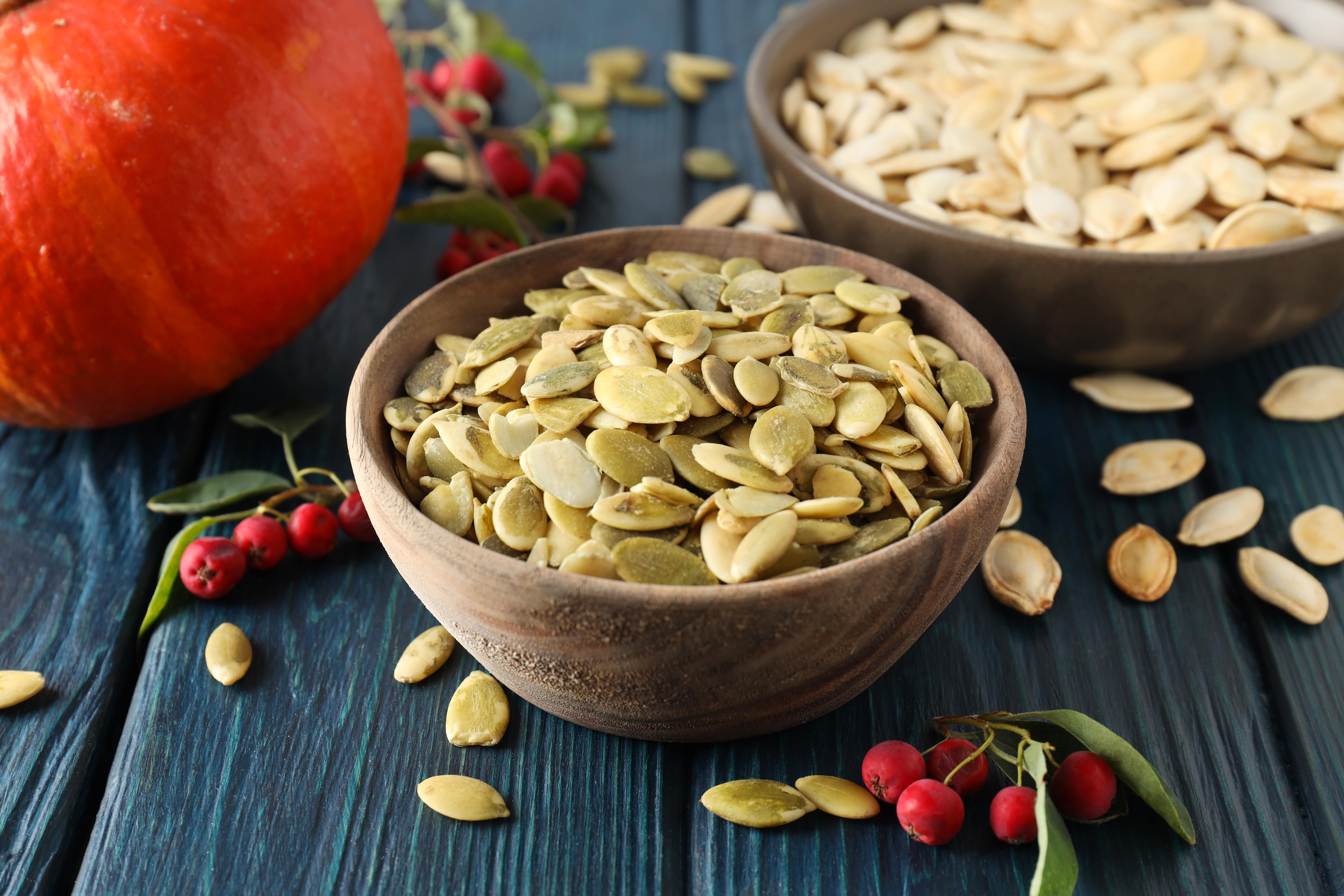
Magnesium-Rich Foods: Magnesium helps relax muscles (including your uterus!).
Best sources: Pumpkin seeds, almonds, dark chocolate (yes, chocolate is on the list!).
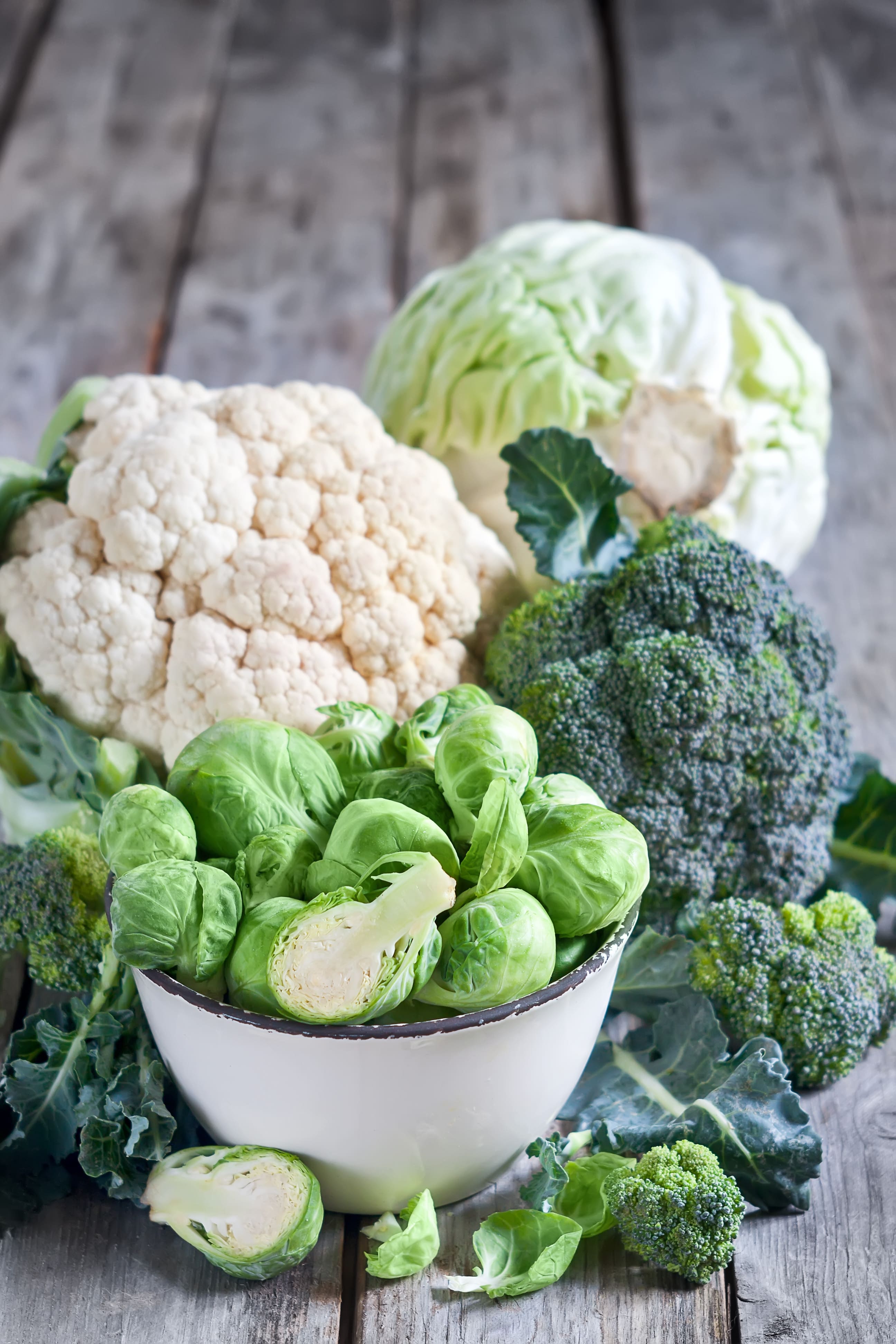
Cruciferous Vegetables: Help the body metabolize excess estrogen, reducing symptoms.
Best sources: Broccoli, cauliflower, Brussels sprouts.
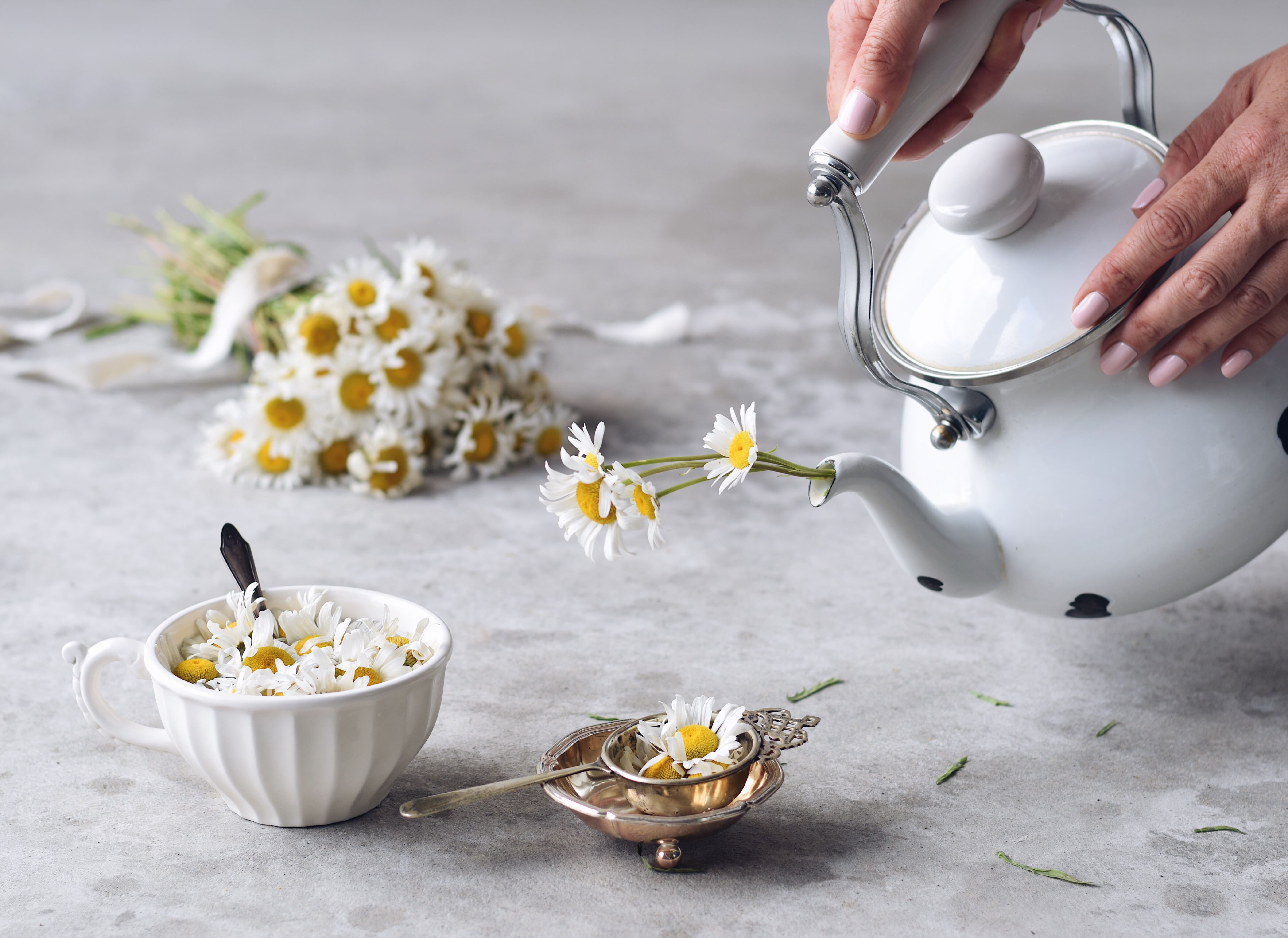
Herbal Teas: Some herbal teas have anti-inflammatory properties that can ease cramps.
Best choices: Ginger tea, chamomile, peppermint.
What to Avoid (Unless You Love Making Your Life Harder)
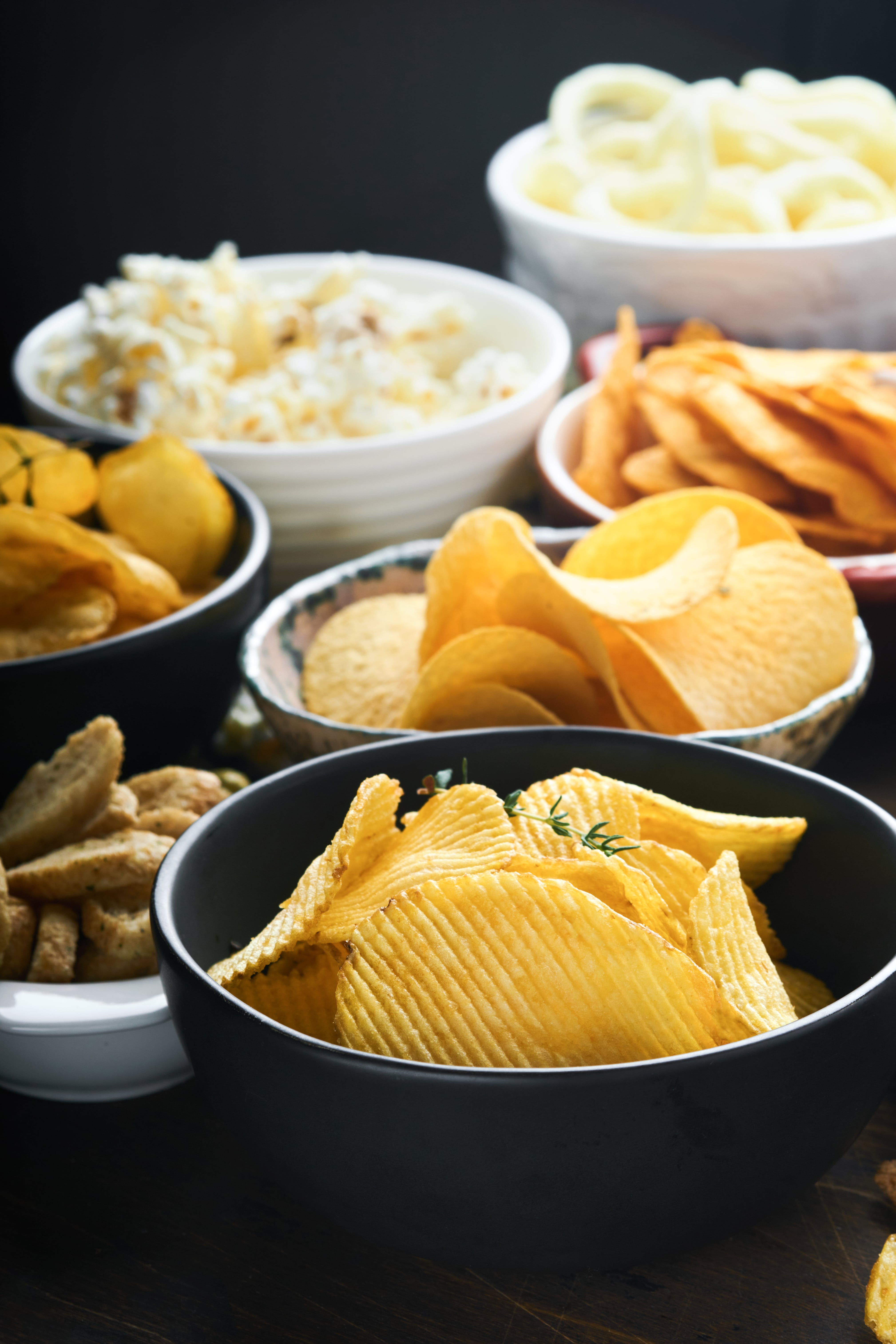
Processed & Fried Foods: They increase inflammation and make cramps worse.
Fast food, chips, processed snacks.
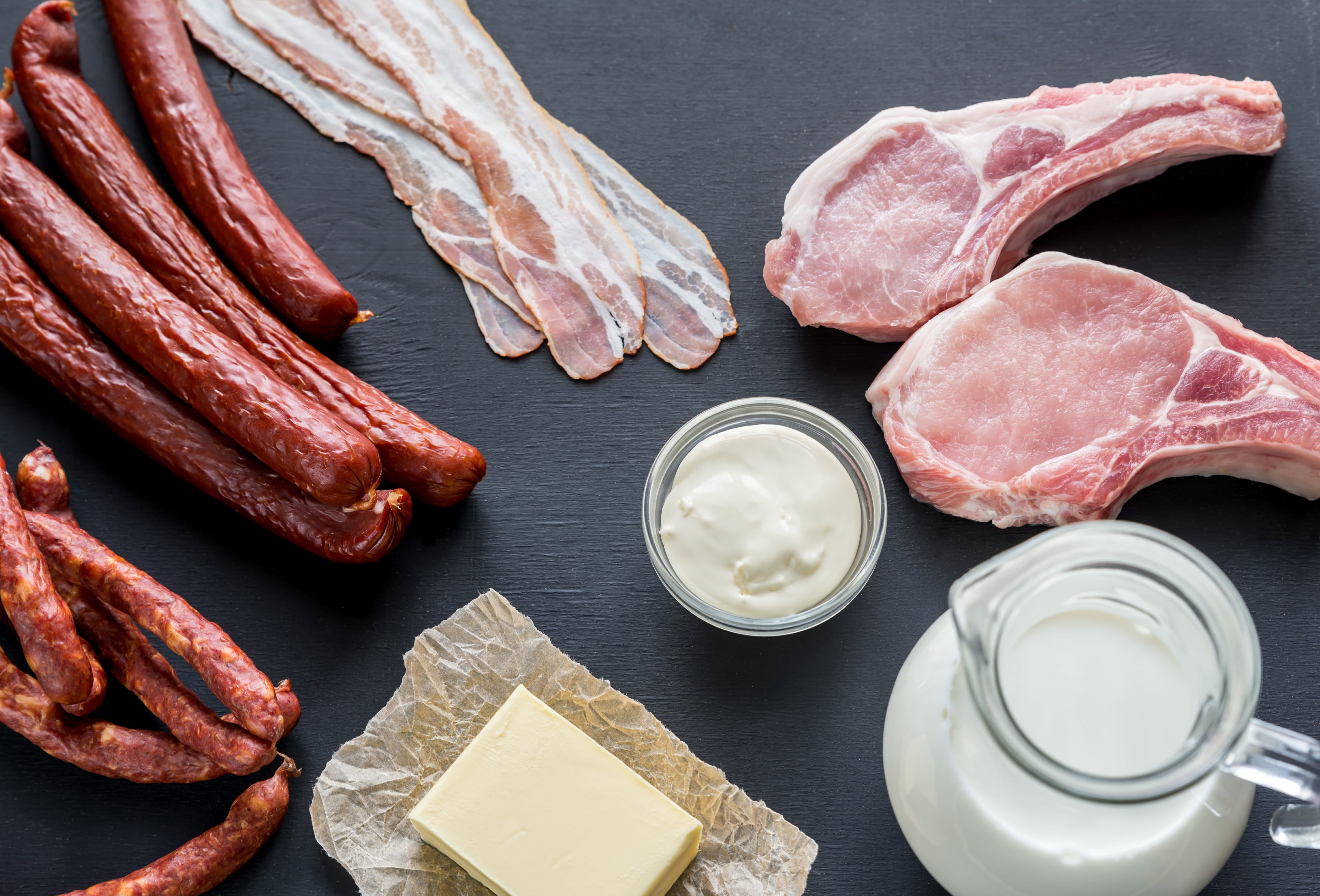
Red Meat & Dairy: High in arachidonic acid, which can spike prostaglandin production (aka more pain).
Beef, pork, full-fat dairy.
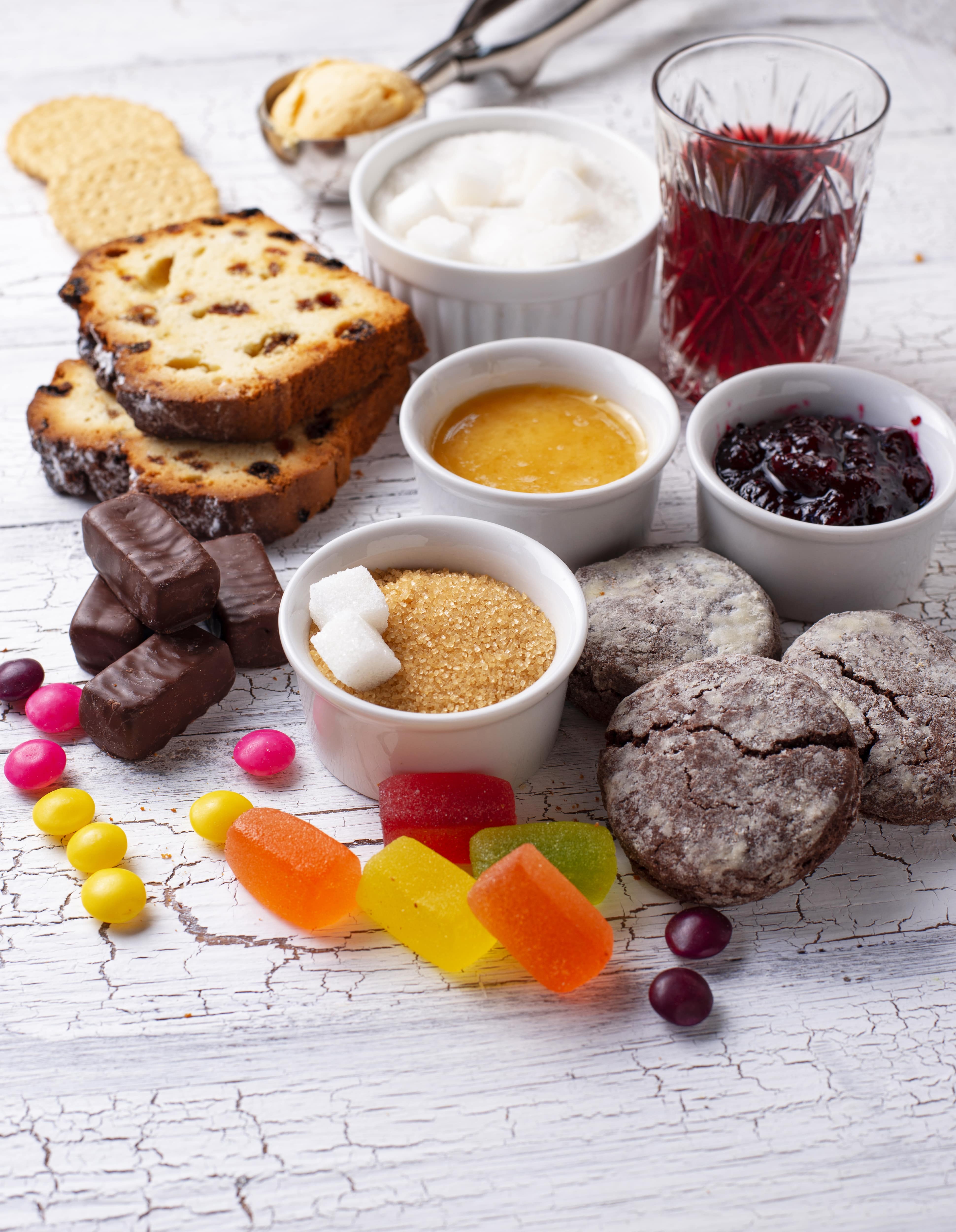
Refined Sugar & White Carbs: Blood sugar spikes = hormonal rollercoaster + more inflammation.
Soda, pastries, white bread, candy.
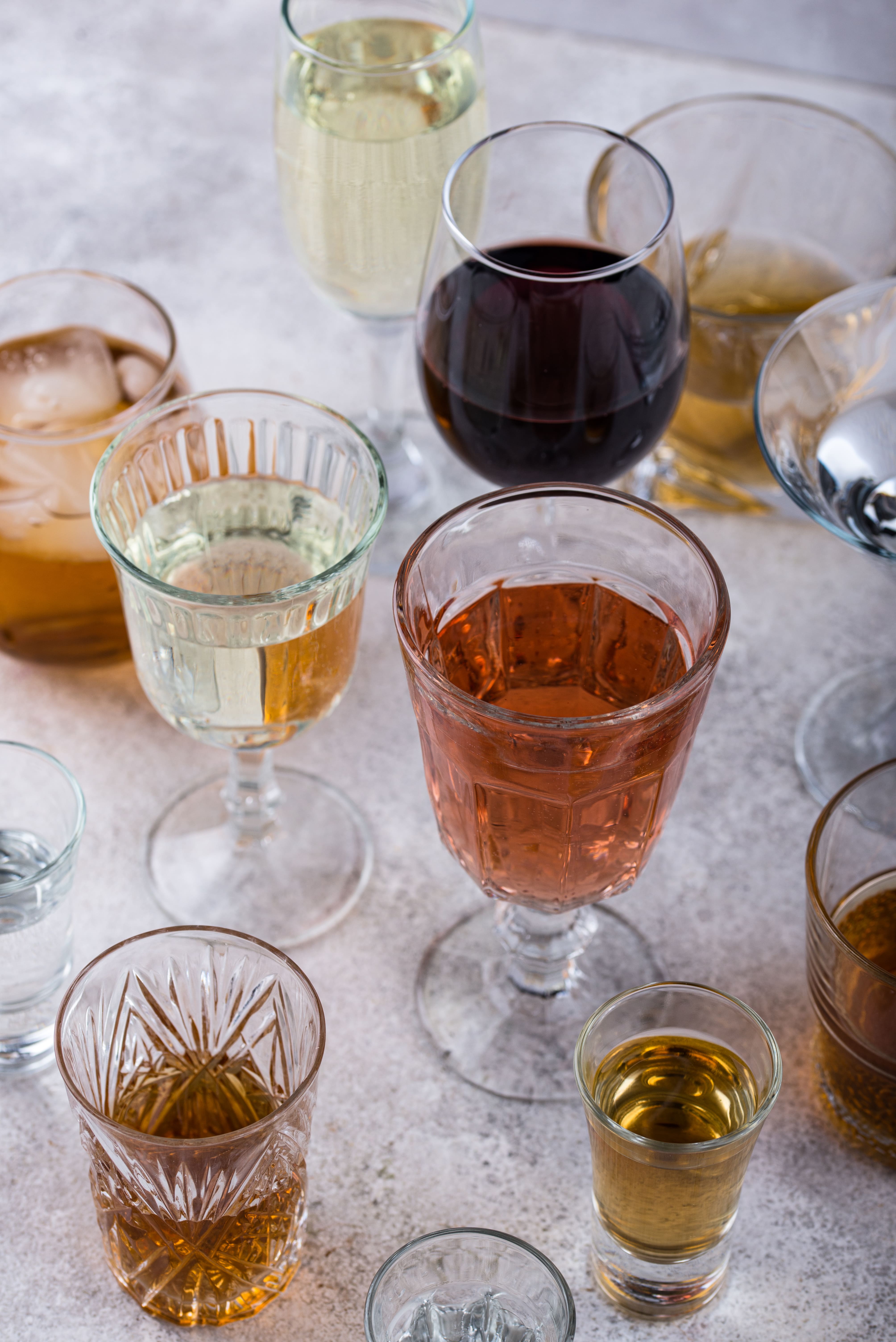
Alcohol & Caffeine: Both can dehydrate and constrict blood vessels, leading to stronger cramps.
Coffee, energy drinks, excessive alcohol.
Final Thoughts: Your Uterus Deserves Better
If you’re tired of feeling like your uterus is staging a monthly rebellion, consider nourishing it with anti-inflammatory foods during the luteal phase—from ovulation until menstruation—while cutting back on inflammatory triggers.
No, swapping fries for flaxseeds won’t turn your cycle into a spa day, but small, consistent changes can help lower inflammation, reduce cramps, and make your period a little less of a battlefield.
So, if you’re tired of feeling like your uterus is auditioning for a horror movie, try 2–3 tablespoons of freshly ground flaxseeds daily, 1,000–2,000 mg of omega-3s, and 50–100 mg of vitamin B6. Your body will thank you—even if your uterus still throws the occasional tantrum.
Because let’s be real: we have better things to do than negotiate with cramps every month.