Endometriosis: The Hidden Struggle
- Talia Dali
- Menstrual Health, Endometriosis
If you’re a woman experiencing chronic pelvic pain or struggling with heavy periods, you might have heard of endometriosis—probably after years of being told it’s “just bad cramps.” Endometriosis is no longer the mysterious condition it once was, but it still manages to fly under the radar, even though it affects 1 in 10 women of reproductive age. The journey to diagnosis is frustratingly long—7 to 10 years on average—which means many women are left suffering, with their symptoms brushed aside as simply part of being a woman.
Why Does It Take So Long to Diagnose?
Endometriosis happens when tissue similar to the lining of the uterus (endometrium) grows outside the uterus, usually on the ovaries, fallopian tubes, or even the intestines. Since this tissue responds to your menstrual cycle, it breaks down and bleeds each month, causing inflammation and, eventually, scar tissue. The problem? There’s no easy way for this tissue to exit the body, leading to persistent, often debilitating pain.
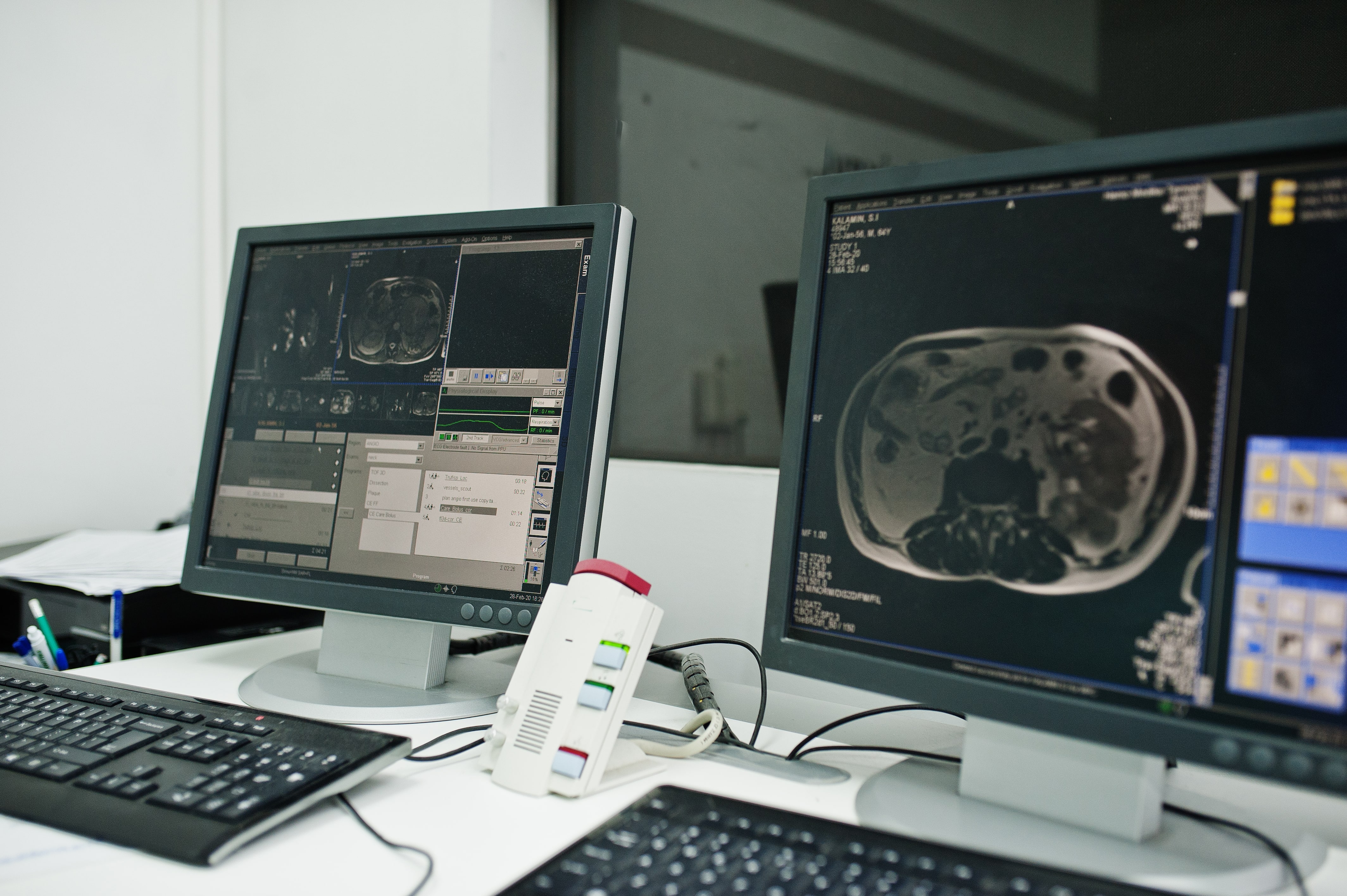
Diagnosing endometriosis isn’t straightforward because imaging techniques like ultrasounds or MRIs often miss it, especially in cases where no cysts or large lesions are present. The only reliable way to diagnose the condition is through laparoscopy, a surgical procedure that allows your doctor to look inside your pelvis. No wonder it takes so long for so many women to finally get the answers they need!
Why Does Endometriosis Happen? (Spoiler: We Don’t Really Know)
The truth is, even though endometriosis is more talked about now, its exact cause is still a bit of a mystery. Here are a few of the leading theories:
1. Genetic Predisposition: If your mom or sister has endometriosis, you’re more likely to have it too. So, if you’ve got a family history of painful periods, keep an eye out for other symptoms.
2. Retrograde Menstruation: This theory suggests that menstrual blood flows backward through the fallopian tubes and into the pelvic cavity, allowing endometrial cells to stick to other organs. But since this happens to many women who don’t develop endometriosis, there’s likely more to the story.
3. Autoimmune Hypothesis: Some researchers believe the immune system may not effectively remove misplaced endometrial cells, leading to chronic inflammation.
4. Environmental Factors: There’s growing concern that xenoestrogens (chemicals that act like estrogen in the body) found in plastics, pesticides, and cosmetics may be linked to endometriosis. While this theory is still being explored, it’s another reason to rethink those everyday toxins.
The Symptoms: More Than Just “Bad Periods”
One of the most frustrating aspects of endometriosis is that the symptoms can vary widely. For some, it’s agonizing pain during their period. For others, it’s digestive issues or even infertility. Common symptoms include:
• Chronic Pelvic Pain: It can hit you during your period, but many women experience pain throughout the entire month.
• Pain During Intercourse: A symptom that often goes unspoken but deeply affects many women’s relationships.
• Heavy or Prolonged Periods: Endometriosis can cause menorrhagia, where periods are unusually heavy or last longer than usual.
• Bowel and Bladder Problems: Endometriosis tissue can spread to the bladder or intestines, making bowel movements painful or causing urinary issues during your period.
• Infertility: Endometriosis is one of the leading causes of infertility, affecting 30-50% of women with the condition.
Treatments: What Works—and What Doesn’t
Unfortunately, there’s no cure for endometriosis, but there are ways to manage the symptoms. Treatments range from pain relief to surgery, but they don’t always work for everyone.
1. Hormonal Therapy: Birth control pills, hormone therapy, and GnRH agonists can help slow the growth of endometrial tissue by preventing ovulation. While these treatments help many women manage their pain, they come with side effects and don’t stop the disease’s progression. Once the treatment stops, symptoms often return.
2. Pain Relief: Non-steroidal anti-inflammatory drugs (NSAIDs) like ibuprofen can help, but they only tackle the pain—not the underlying condition.
3. Surgery: For those with severe symptoms or infertility, laparoscopic surgery can remove endometrial tissue and scar tissue. However, it’s not a guaranteed fix, and about 50% of women experience a return of symptoms within five years.
Pregnancy: A Temporary Reprieve?
Interestingly, many women with endometriosis find that pregnancy temporarily relieves their symptoms. Why? During pregnancy, the menstrual cycle is suppressed, and there’s an increase in progesterone, which can reduce inflammation and pain. However, this relief is usually temporary, with symptoms returning after childbirth. While some women report long-term symptom relief after pregnancy, it’s not a guarantee.
Life Hygiene: Can It Really Help?
You’ve likely heard about the role of lifestyle changes—or “life hygiene”—in managing chronic conditions, and endometriosis is no exception. While these changes won’t cure the disease, they can play a significant role in symptom management:
1. Dietary Influence:
• A study published in Human Reproduction (2004) indicated that women who consumed large amounts of fruits and vegetables had a 40% lower risk of developing endometriosis compared to those who ate fewer of these foods.
• Conversely, women who consumed high amounts of red meat were found to have a 56% increased risk of developing the condition.

2. Exercise and Endometriosis:
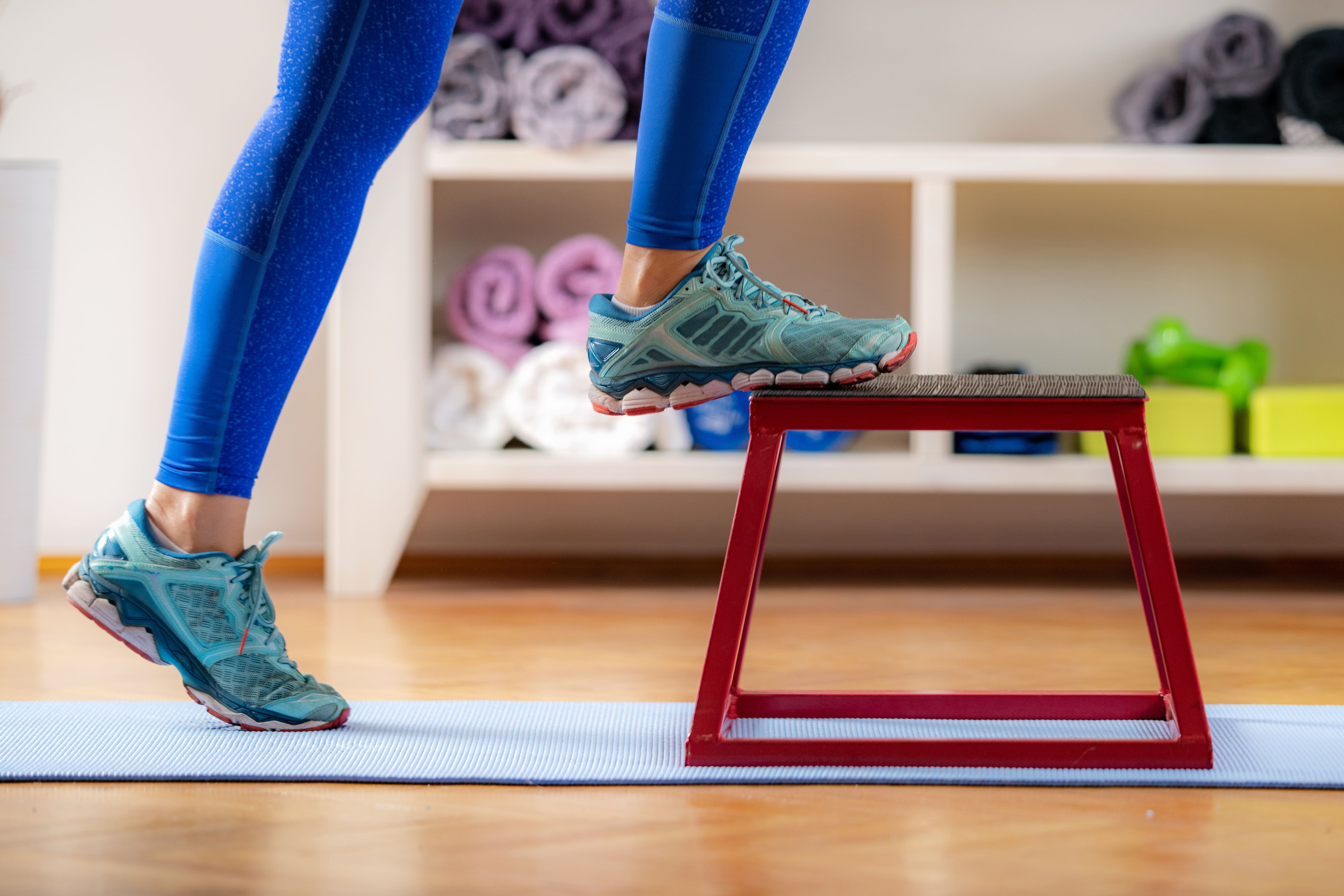
• Research from The American Journal of Epidemiology (2003) suggests that women who exercised for more than 4 hours per week had a 70% reduction in endometriosis symptoms. Exercise lowers estrogen levels, which can help slow the progression of the disease and reduce symptoms such as pain.
3. Stress Reduction:
• In a study published in The Journal of Psychosomatic Obstetrics & Gynecology (2012), women who engaged in stress-reduction techniques such as mindfulness-based stress reduction reported up to a 43% reduction in pain severity associated with endometriosis.

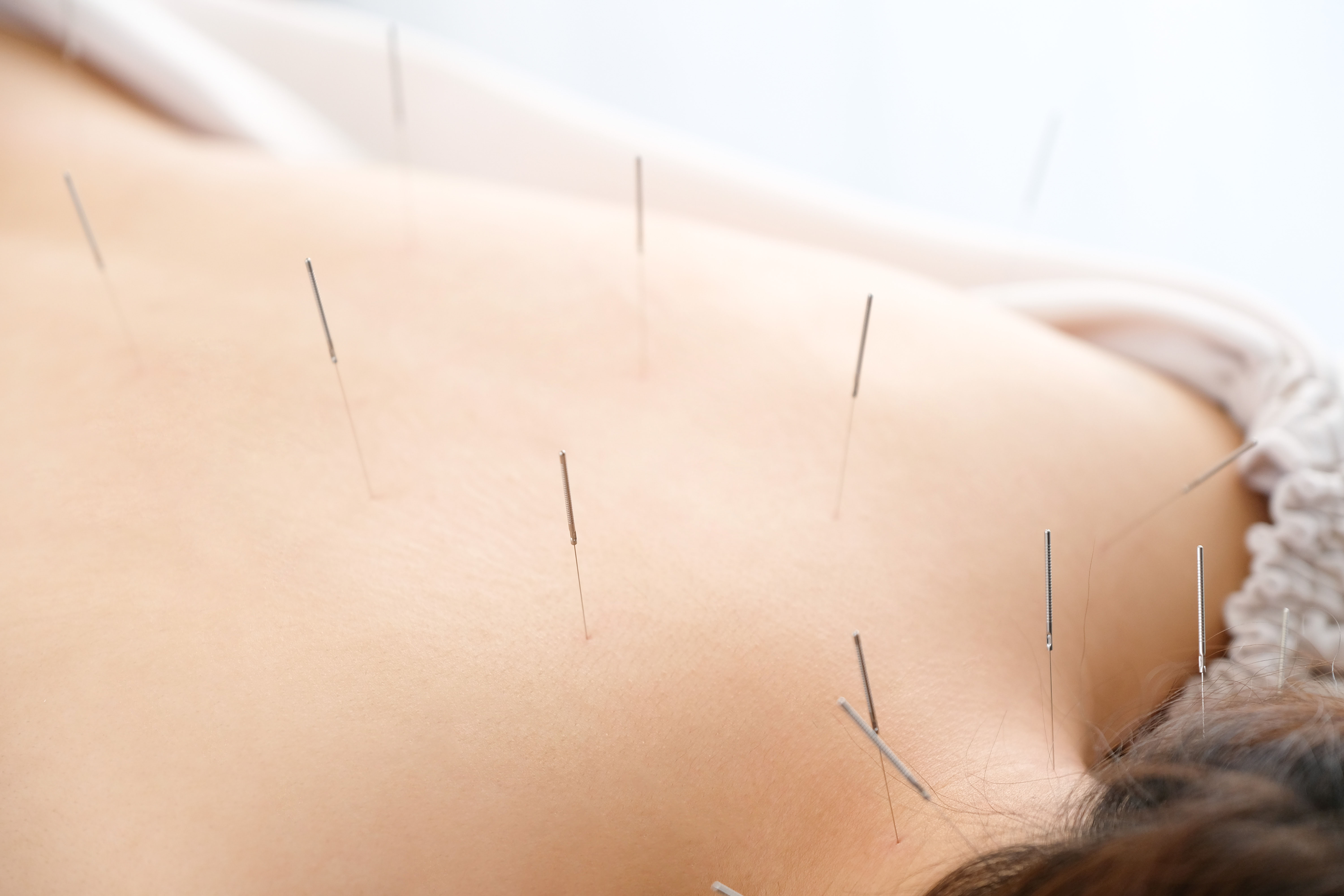
4. Acupuncture:
• According to a review in The Journal of Integrative Medicine (2014), women who received regular acupuncture treatments experienced up to a 50% reduction in pain levels. Acupuncture was also associated with improved menstrual regularity and reduced need for pain medication.
Managing Endometriosis
While there’s no cure for endometriosis, with the right combination of medical treatments and lifestyle adjustments, you can manage the symptoms effectively. Whether it’s tweaking your diet, trying acupuncture, or managing stress, taking an active role in your treatment plan will help you regain control over your health.
If you’re dealing with endometriosis, remember you’re not alone—millions of women are navigating this challenging condition. With research advancing and awareness growing, there’s more support and more hope for better treatments on the horizon.
References:
1. Parazzini, F., et al. (2004). “Diet and Endometriosis Risk: A Literature Review.” Human Reproduction Update, 10(1), 34-38.
2. Missmer, S. A., et al. (2003). “A Prospective Study of Physical Activity and the Risk of Endometriosis.” The American Journal of Epidemiology, 158(1), 156-164.
3. Sepulcri, R. P., & Amaral, V. F. (2012). “Depression, Anxiety, and Quality of Life in Women with Endometriosis.” The Journal of Psychosomatic Obstetrics & Gynecology, 30(2), 67-72.
4. Zhang, W., et al. (2014). “Effectiveness of Acupuncture for the Treatment of Endometriosis: A Systematic Review and Meta-Analysis.” Journal of Integrative Medicine, 12(3), 209-216.