Taming Sleepless Nights as You Enter Menopause
- Talia Dali
- Perimenopause & Menopause
If you’re going through menopause, you may have noticed that your sleep is just… different. It’s not just about the hot flashes and night sweats—although those certainly don’t help! Sleep changes during menopause are often tied to shifts in your hormones, which can throw everything off balance.
What’s Really Going On?
During menopause, hormonal changes can mess with your sleep quality. Cortisol (your body’s main stress hormone) tends to rise, making it harder to get those deep, restful zzz’s. Normally, cortisol follows a rhythm—higher in the morning, lower at night—but menopause and stress can keep cortisol levels elevated, meaning you end up tossing and turning.
What Can You Do About It?
Thankfully, there’s a lot you can do to improve your sleep during menopause. It starts with some simple dietary changes:
Tryptophan-rich foods
This amino acid helps your body make serotonin, which then helps with sleep. Try foods like turkey, dairy, and pumpkin seeds. Enjoy a snack a couple of hours before bed to help your body relax.
Magnesium
Magnesium helps regulate sleep by calming your nervous system. A supplement like magnesium glycinate is especially good at helping your muscles and mind unwind. Aim for around 300–400 mg daily.
Omega-3 fatty acids
These healthy fats lower inflammation and help regulate cortisol. Fatty fish (like salmon), walnuts, or fish oil supplements can be beneficial.

Vitamin D
A little sunshine or a supplement can help with your sleep, as low vitamin D levels can impact how well you rest.
Zinc
Zinc boosts melatonin production, which supports sleep. You can find it in foods like pumpkin seeds, chickpeas, and beef, or take a supplement to reach 8-10 mg daily.
B vitamins
B6 and B12 are crucial for converting tryptophan into serotonin. Foods like eggs and poultry are rich in these vitamins, helping you sleep better.

Other Sleep Helpers
If your diet could use a boost, some supplements may also work wonders:
L-theanine
Found in green tea, L-theanine helps relax your body without making you drowsy during the day. Take about 200-400 mg before bed.
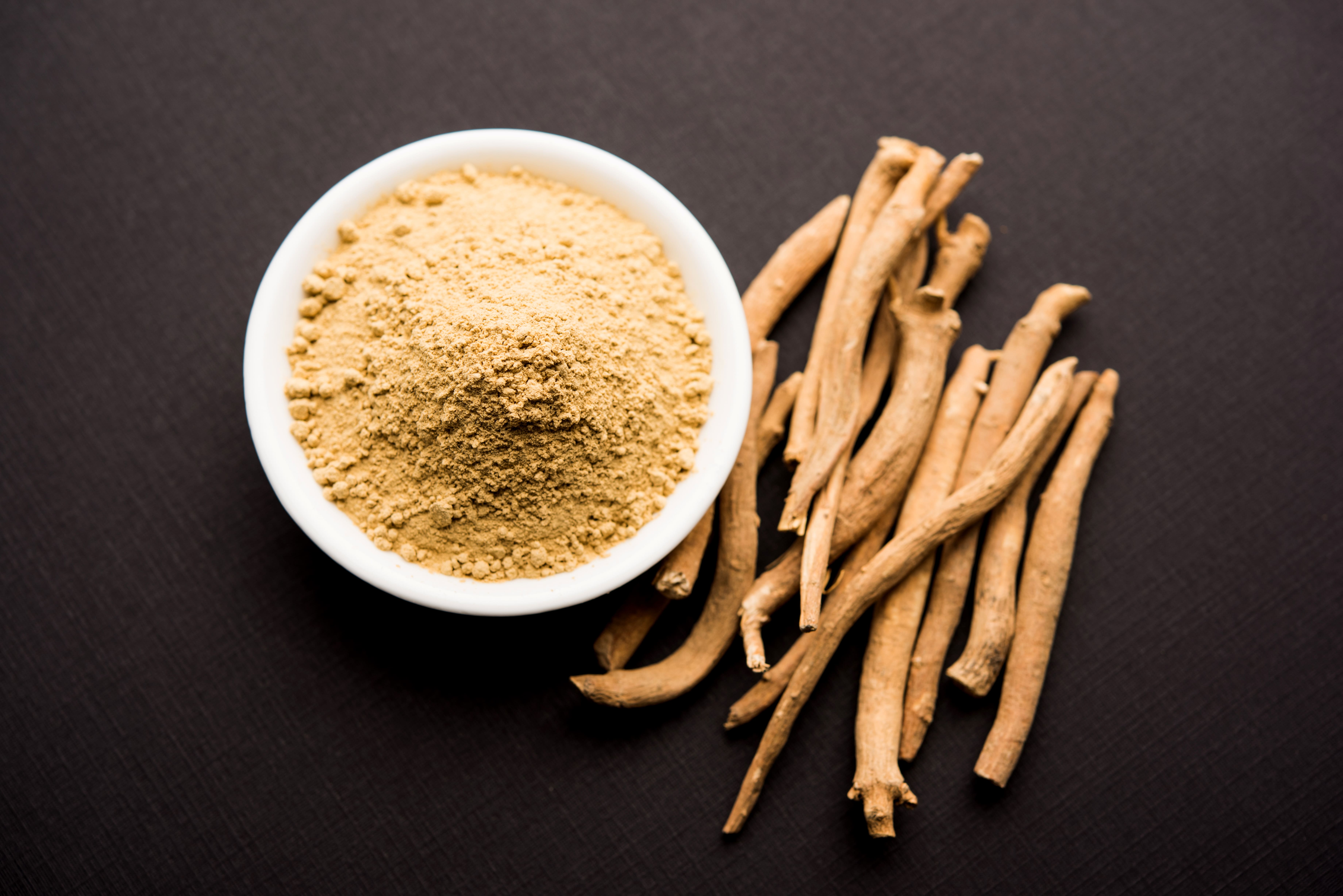
Ashwagandha
This adaptogen reduces stress and cortisol. Around 300-500 mg a day can make a difference after a few weeks.
Melatonin
When your melatonin levels drop during menopause, a supplement can help get your sleep-wake cycle back on track. Just 0.5-3 mg before bed may help you fall asleep easier.
Stress and Sleep: A Balancing Act
Stress is one of the biggest sleep disruptors, especially during menopause. When stress goes up, so does cortisol, making it hard to sleep soundly. Here’s how you can manage it:
Yoga
Just 10-15 minutes a day can help lower cortisol and relax your body for better sleep.
Meditation & mindfulness
Mindfulness quiets the mind, reduces anxiety, and lowers stress levels. A few minutes of deep breathing before bed can improve sleep quality.
Acupuncture
This practice balances your body’s energy and reduces stress. Many women find it helpful for improving sleep during menopause.

Evening rituals
Try journaling or reading before bed to wind down. Writing about your day releases stress, and reading helps your mind focus on something relaxing.
What to Expect As You Adjust
You’re not alone—about 60% of women going through menopause report having trouble sleeping. While sleep may feel difficult during this transition, many women find things settle down as hormone levels balance out.
By focusing on nutrition, managing stress, and taking a holistic approach to sleep, you can find your way back to restful, rejuvenating nights of sleep.

References
1. Mosconi, L. (2020). The XX Brain: The Groundbreaking Science Empowering Women to Maximize Cognitive Health and Prevent Alzheimer’s Disease. Penguin Random House.
2. Mayo Clinic Staff. (2021). Menopause and Sleep Problems. Mayo Clinic Health System. Retrieved from Mayo Clinic.
3. Stough, C., et al. (2012). The Effects of Omega-3 Fatty Acids on Sleep Quality and Inflammation. The Journal of Clinical Nutrition.
4. Smith, M., & Meyers, R. (2018). Cortisol’s Role in Sleep Disruption and Aging. International Journal of Women’s Health.
5. Wang, J., et al. (2019). The Effects of Acupuncture on Sleep Disorders in Menopausal Women. Journal of Sleep Research.
6. Bowers, J., & Thornton, A. (2019). Reducing Stress for Better Sleep: A Look at Mindfulness Practices. Dermatology Online Journal, 25(2), 22-30.Title