Managing PCOS: A Journey Towards Balance
- Talia Dali
- Menstrual Health, Polycystic Ovarian Syndrome PCOS
I’ve had the privilege of accompanying many women on their journey with PCOS, helping them not only manage their symptoms but actually regulate their menstrual cycles and feel more in control of their bodies. One thing is clear: it takes time to help the body rebalance, but with the right approach, you can absolutely take charge of your health and well-being.
PCOS: A Multifaceted Condition
Polycystic Ovary Syndrome (PCOS) affects around 10% of women globally, and let me tell you—it’s not just about the ovaries. PCOS comes with a whole lot of baggage, from irregular periods to weight gain, acne, hair growth, and mood swings. Many women I work with feel overwhelmed by the seemingly endless list of symptoms, but trust me, there’s a way through it. PCOS is a hormone-driven condition, and the way it presents can vary for each person. What works for one woman might not work for another, but that’s why finding your own rhythm is so empowering.
A Long Road to Diagnosis
If you’ve finally been diagnosed with PCOS, I’m sure it feels like a relief—but also, why did it take so long? On average, women wait two to five years for a diagnosis. Often, I refer my patients to a gynecologist to confirm a diagnosis. Why? Often women think that having acne is part of the deal, especially during the second part of the menstrual cycle. And too often we link PCOS to obesity, yet the majority of my patients are far from obese.

The Many Faces of PCOS: The Different Types
PCOS isn’t one-size-fits-all. There are actually four different types:
1. Insulin-resistant PCOS: The most common type, linked to insulin resistance (your body doesn’t process insulin correctly). This type often leads to weight gain, particularly around the belly.
2. Post-pill PCOS: This type happens when your body temporarily goes haywire after stopping birth control pills.
3. Adrenal PCOS: Stress is the name of the game here. Your adrenal glands pump out too many androgens, which can exacerbate symptoms.
4. Inflammatory PCOS: If your body is dealing with chronic inflammation, it can lead to this type of PCOS. Inflammation can make everything—from acne to irregular periods—worse.
The Hormonal Chaos: Classic Symptoms of PCOS
Here’s what you might be dealing with if you have PCOS:
• Irregular periods: Because your ovaries might not release eggs regularly.
• Acne: Thanks to elevated androgens (hello, high school flashbacks).
• Weight gain: Particularly around your midsection, thanks to insulin resistance.
• Hair growth: Yes, facial hair too (ugh).
• Hair loss: On your head (double ugh).
• Mood swings: Because hormones love a good drama scene.

Food is Your Friend: Managing PCOS with Diet
Let’s talk food, because when it comes to PCOS, what you eat matters a lot. If you’ve got insulin-resistant PCOS (which many women do), managing your blood sugar is key to keeping symptoms under control.
• Low-Glycemic Foods: Swap out those refined carbs (sorry, pastries!) for low-glycemic foods that don’t spike your blood sugar. Think veggies, whole grains, and legumes.
• Protein and Fiber: Adding plenty of protein (like chicken, fish, and beans) and fiber to your meals helps slow down the release of sugar into your bloodstream, keeping those insulin levels more stable.
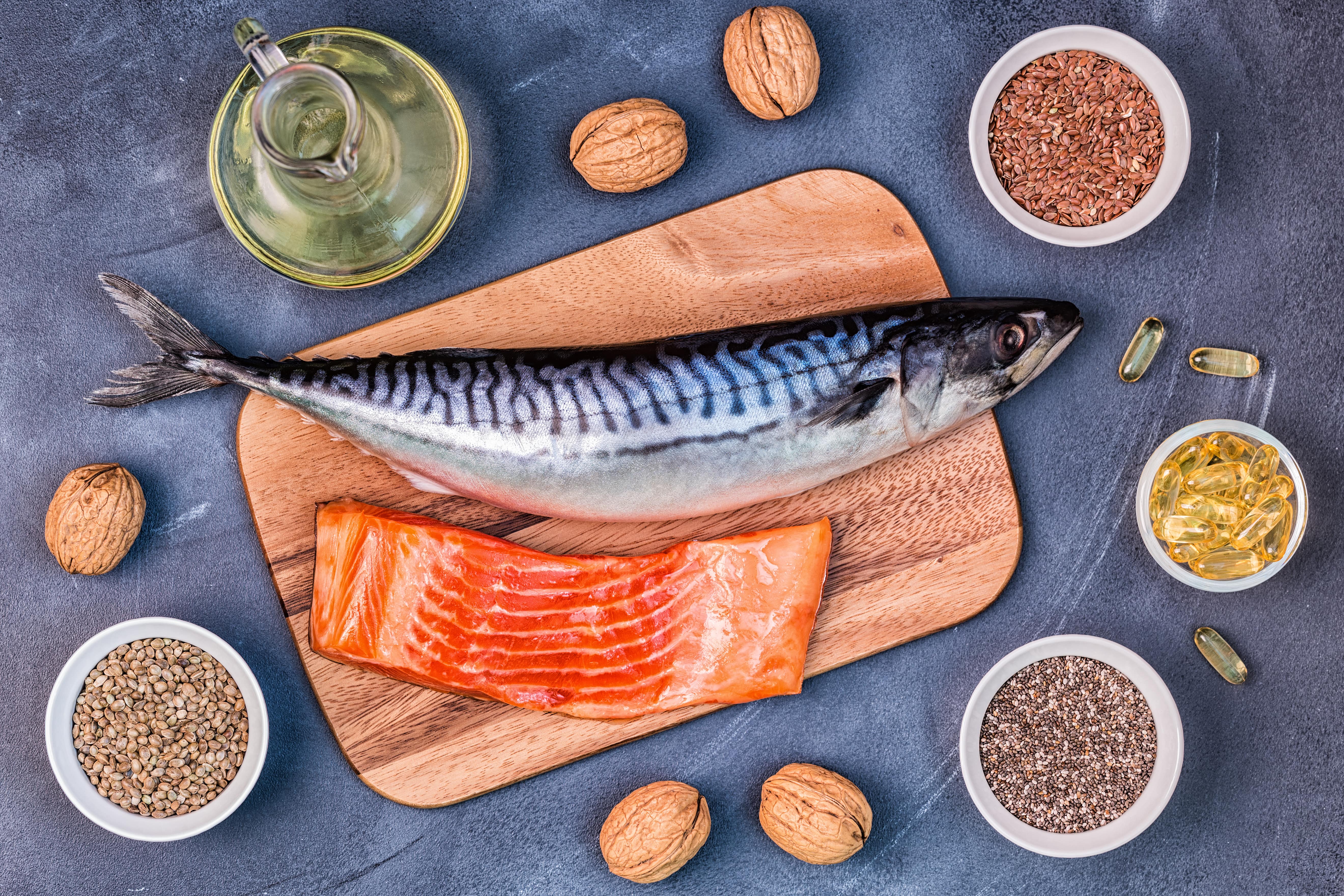
• Healthy Fats: Avocado, nuts, seeds, and olive oil can help with hormone regulation and inflammation reduction.
• Sugar: The nemesis of insulin resistance. Cutting back on added sugars and refined carbs is essential for managing PCOS. Opt for fruit when you need a sweet fix!
Supplements to the Rescue
There are a few powerhouse supplements I’ve seen work wonders for PCOS:
• Inositol (specifically myo-inositol) is a game-changer for regulating cycles and improving insulin sensitivity.
• Omega-3 fatty acids reduce inflammation and help with hormone regulation.
• Magnesium is fantastic for stress relief and supporting the nervous system, and it can also improve sleep, which is often disrupted by PCOS.
• DIM (Diindolylmethane) and D-Calcium Glucarate are particularly effective in detoxifying excess estrogen, which can be a problem for women with PCOS.
Alternative Approaches: Beyond the Basics
Diet and supplements are just the tip of the iceberg when it comes to managing PCOS. In my experience with patients at the clinic, incorporating acupuncture and focusing on stress management have shown tremendous benefits in alleviating symptoms and improving overall well-being. Here’s how these approaches can work for you:
1. Acupuncture: More Than Just a Needle Stick
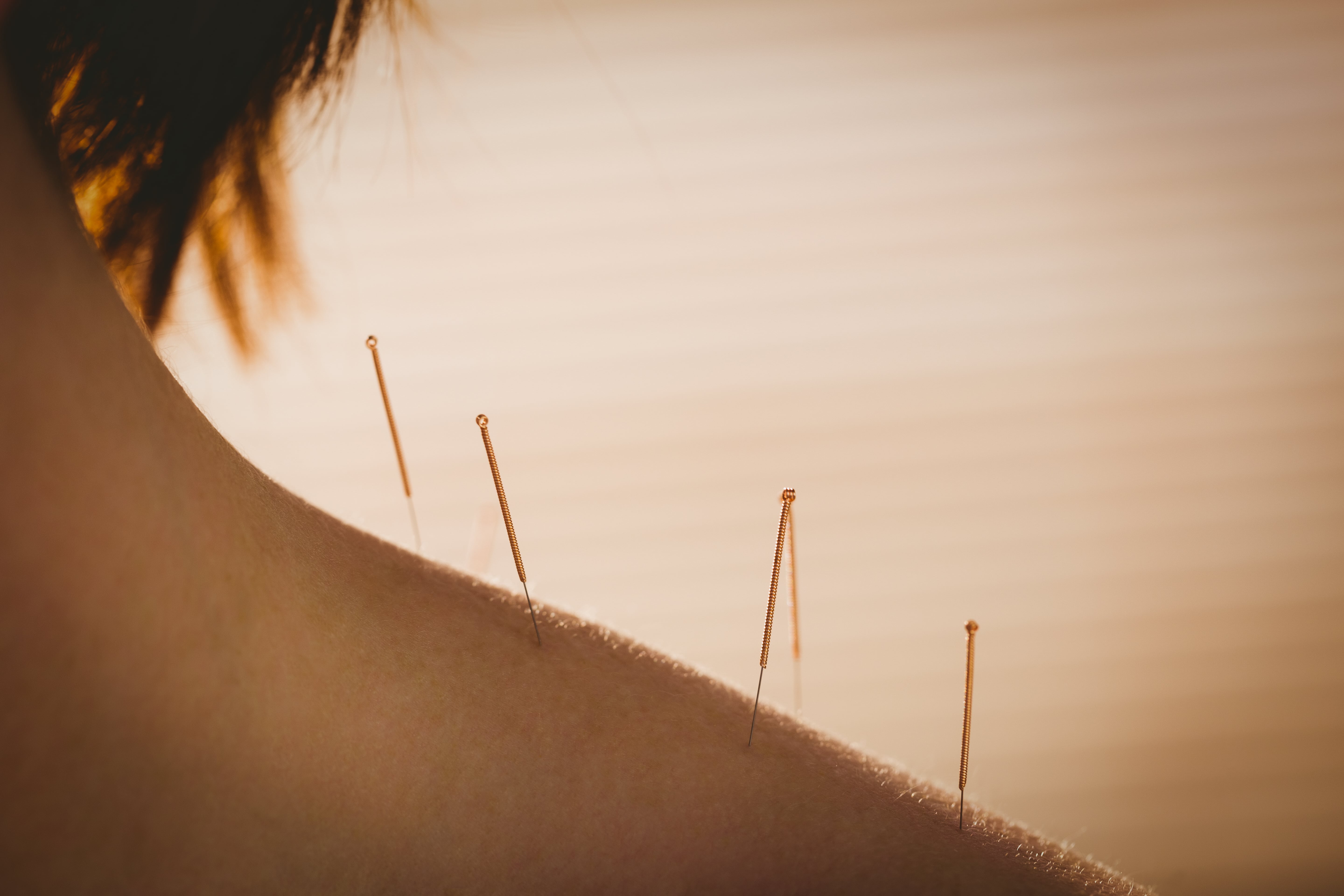
Acupuncture has been a cornerstone of treatment for many women I work with. It helps regulate hormonal imbalances by stimulating specific points in the body to improve blood flow and reduce inflammation. Studies have shown that regular acupuncture sessions can improve menstrual regularity and decrease pain, which are common struggles for women with PCOS. Many of my patients have reported significant relief from both physical and emotional symptoms after integrating acupuncture into their routine. It’s not just about managing PCOS; it’s about achieving a greater sense of balance.
2. Exercise: Keep It Simple
No need to go all-in at the gym. For women with PCOS, moderate exercise is key. Activities like walking, swimming, yoga, or even light weight training can improve insulin sensitivity, lower inflammation, and support hormonal regulation. I always encourage my clients to find a form of movement they enjoy—exercise shouldn’t feel like a chore! Regular physical activity helps boost mood, reduce stress, and enhance overall well-being without overwhelming the body.
3. Stress Management: A Must for Hormonal Balance
We all know chronic stress is bad news, but for women with PCOS, it can exacerbate hormonal imbalances, particularly by increasing cortisol levels. Stress management isn’t just a wellness trend; it’s an essential part of managing PCOS symptoms. Techniques like mindfulness meditation, journaling, or even indulging in your favorite Netflix series can make a world of difference.
Bottom Line: You’ve Got This
PCOS is a complex, lifelong condition, but it’s also manageable. You don’t have to suffer through unpredictable cycles, stubborn weight gain, or mood swings alone. By making small, sustainable changes, you’ll find a balance that works for your body. And remember: if all else fails, there’s always a bit of chocolate—because yes, it contains magnesium, and you deserve that little treat. 😉
References:
1. Pal, L., et al. (2015). “Metformin and Myo-inositol in Managing Insulin Resistance in PCOS.” Journal of Clinical Endocrinology & Metabolism, 100(9), 3567–3576.
2. Teede, H. J., et al. (2018). “International Evidence-Based Guidelines for the Assessment and Management of Polycystic Ovary Syndrome (PCOS).” Human Reproduction, 33(9), 1602–1618.
3. Zeng, L., et al. (2019). “The Role of Omega-3 Fatty Acids in Reducing Inflammation and Improving Hormonal Regulation in PCOS.” Nutrients, 11(11), 2595.
4. Rothenberg, S. S., et al. (2018). “Effects of Inositol and Inflammation Modulation on Insulin Resistance and Hormonal Regulation in Women with PCOS.” Journal of Women’s Health, 27(9), 1115–1123.Title