How PMS Feels Different with PCOS, Endometriosis, and Adenomyosis
When it comes to experiencing premenstrual syndrome (PMS) alongside conditions like polycystic ovary syndrome (PCOS), endometriosis, or adenomyosis, things can get complicated. Women who face these chronic conditions are often hit with a double whammy of discomfort, pain, and emotional upheaval. I see it in my practice all the time—trying to untangle what’s PMS and what’s part of the chronic condition can be a challenge. Let’s break it down and talk about what makes each of these experiences unique and how you can manage them more effectively.
PCOS and PMS: Hormonal Chaos at its Peak
With PCOS, PMS tends to feel like an extra layer of unpredictability. PCOS already comes with a range of symptoms like hormonal imbalances and irregular periods, and throwing PMS into the mix often amplifies mood swings, bloating, and fatigue.
• Mood swings: PCOS is notorious for elevating androgens and insulin resistance, making PMS-related moodiness feel more extreme.
• Fatigue and bloating: With PCOS, insulin resistance and water retention often leave women feeling extra sluggish during PMS.
Managing PCOS-related PMS can involve a diet rich in low-glycemic foods and supplements like inositol to improve insulin sensitivity. Omega-3 fatty acids (1,000-2,000 mg of EPA and DHA daily) can help reduce inflammation and stabilize hormone levels, helping you feel more grounded.
Supplement suggestions:
• Inositol: 2,000 mg per day for insulin regulation.
• Omega-3 fatty acids: 1,000-2,000 mg daily to fight inflammation.
Endometriosis and PMS: Double Trouble with Pain
For women with endometriosis, PMS means dealing with amplified pain and emotional strain. Endometriosis is a chronic condition where tissue similar to the lining of the uterus grows outside of it, causing pain that often worsens during PMS.
• Pelvic pain: Cramping is more intense and persistent, often making PMS-related discomfort feel unbearable.
• Mood changes: The constant pain from endometriosis can make mood swings during PMS more pronounced.
How to manage it? Supplements like magnesium glycinate (300-400 mg per day) work wonders for reducing muscle cramps and inflammation. Acupuncture is another tool, known to help regulate pain and balance hormone levels, making your PMS more manageable. Research also suggests that DIM (Diindolylmethane) and D-Calcium Glucarate can help detoxify estrogen, reducing the severity of PMS symptoms.
Adenomyosis and PMS: Similar to Endometriosis, but Different
Adenomyosis is a close cousin to endometriosis, where endometrial tissue grows into the uterine muscle, causing heavy periods and intense cramps. PMS symptoms for women with adenomyosis mirror those of endometriosis—intensified pain, heavy bloating, and fatigue.
In addition to using DIM and magnesium, acupuncture is highly recommended for those suffering from adenomyosis. Regular treatments can help alleviate pain and support hormonal balance.
What Can Help?
No matter the condition, here’s how you can tackle both PMS and chronic symptoms:
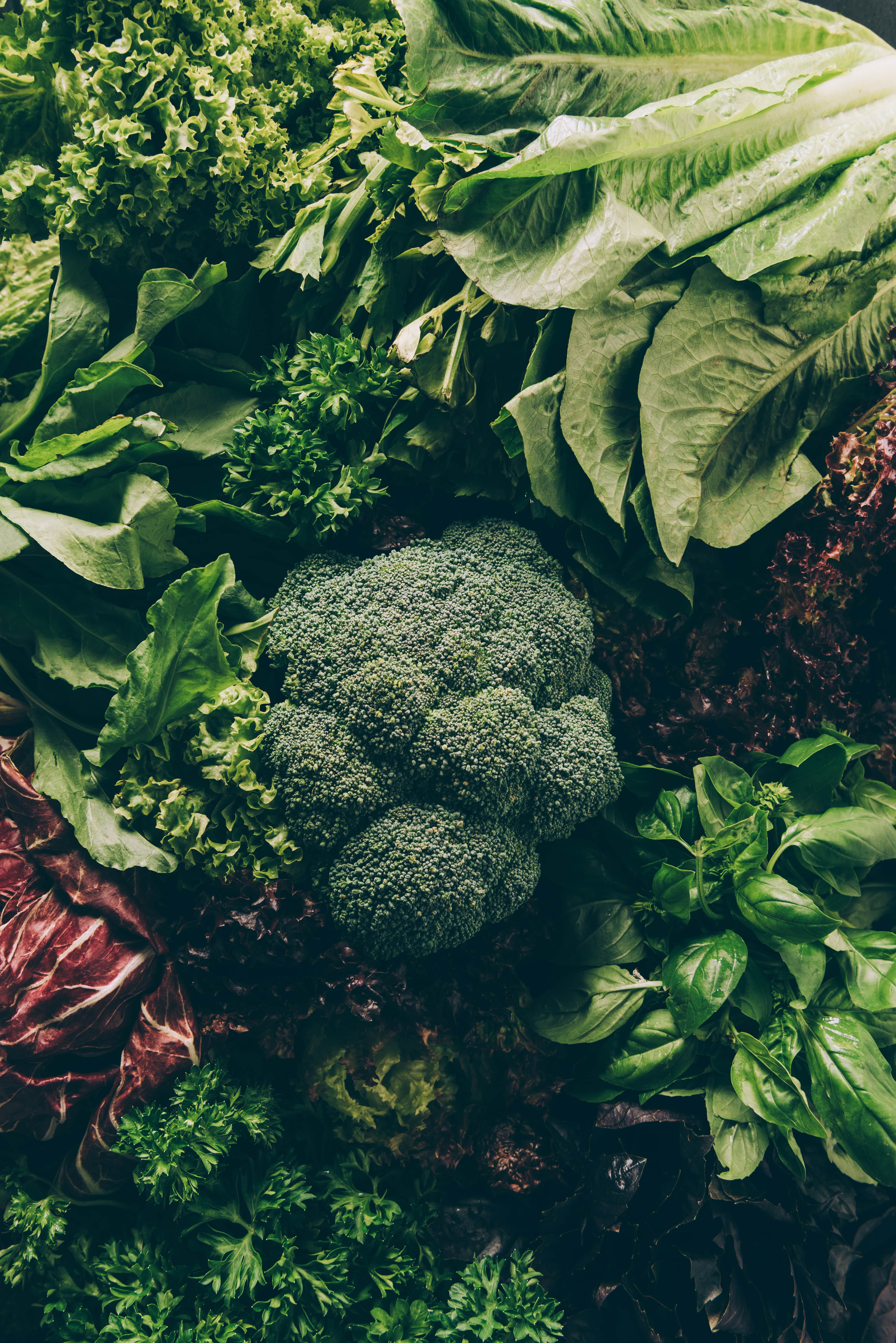
1. Anti-inflammatory diet: Fill your plate with leafy greens, fatty fish, and omega-3s.
2. Magnesium: Take 300-400 mg of magnesium glycinate to soothe muscle cramps and promote relaxation.
3. Omega-3s: Supplement with 1,000-2,000 mg per day to reduce inflammation and ease pain.
4. DIM & D-Calcium Glucarate: These help detoxify excess estrogen, especially for women with endometriosis or adenomyosis.
5. Acupuncture: Helps regulate cycles and manage pain, making it a great addition to your treatment plan.
6. Stress management: Mindfulness, journaling, or even just 5 minutes of deep breathing can help lower cortisol, making PMS and chronic pain more manageable.
Taking Control
Having PMS alongside PCOS, endometriosis, or adenomyosis can feel overwhelming, but there are ways to take control. By managing inflammation, improving insulin sensitivity, and supporting hormone detoxification, you can reduce both PMS and chronic symptoms. If you feel stuck or unsure, don’t hesitate to reach out. Together, we can develop a plan that helps you feel more in control.
References:
1. Fuhrman, J., & Ferreri, D. M. (2011). “The Role of the Estrobolome in Estrogen Regulation.” Journal of Women’s Health, 20(2), 229-238.
2. O’Mahony, S. M., et al. (2015). “Gut Microbiota and Hormonal Regulation.” Nature Reviews Endocrinology, 11(7), 452-459.
3. Vyas, R. C., et al. (2020). “Probiotics and Hormonal Balance in PMS.” Journal of Nutrition and Gut Health, 12(3), 147-152.
4. Dinan, T. G., & Cryan, J. F. (2017). “The Gut-Serotonin Connection in PMS.” Nature Reviews Gastroenterology & Hepatology, 14(7), 411-421.
5. Simopoulos, A. P. (2013). “Omega-3 Fatty Acids in Inflammation and Hormone Balance: Implications for Women with Ovarian Disorders.” The American Journal of Clinical Nutrition, 98(3), 659-665.
6. Unfer, V., Carlomagno, G., & Raffaelli, M. (2012). “Myo-Inositol and Its Role in Ovarian Function and Hormone Regulation in Women with PCOS and Ovarian Insufficiency.” Gynecological Endocrinology, 28(12), 896-899.
7. Freeman, E. W., et al. (2007). “Sleep Patterns in Postmenopausal Women Experiencing Hot Flashes.” Menopause, 14(5), 835-841.
8. Huang, A., & Zhu, Q. (2018). “Acupuncture’s Role in Stress Reduction and Improved Emotional Well-being for Women with Ovarian Insufficiency.” Journal of Endocrinological Investigation, 41(9), 943-950.Title