Do I Really Need to Eat for Two? Understanding Your Body’s Needs During Pregnancy and Postpartum
- Talia Dali
- Pregnancy & Post partum, Food & Hormones
Ah, pregnancy—the magical time when you’re growing a tiny human, your cravings make no sense (pickles and strawberries , anyone?), and random strangers suddenly feel the need to comment on your belly size. One of the biggest pregnancy myths? That you need to eat for two.
Let’s set the record straight: you’re eating for a baby, not a linebacker! Yes, your body does require more nutrients, but it’s about quality over quantity. Here’s what your body actually needs during pregnancy and postpartum—plus what’s normal when it comes to weight gain and losing the “baby weight.”
Weight Gain in Pregnancy: What’s Actually Happening?
Worried about weight gain? Don’t be. Your body is working hard to grow a baby, and weight gain is part of the process. On average, a healthy pregnancy includes about 12 kg of weight gain. Here’s where it all goes:
• Increased blood volume – about 1.5 kg
• Extra body fluids – about 1 kg
• Breast growth – around 0.5 kg (because yes, your body is getting ready to feed a baby)
• Fat stores – roughly 3.5 kg (your energy reserves for later)
• Placenta – about 0.6 kg (your baby’s life-support system)
• Baby itself – around 3.4 kg
• Amniotic fluid – about 0.6 kg (baby’s cozy swimming pool)
• Uterus expansion – roughly 0.9 kg
So, How Fast Should You Gain Weight?
• In the first 20 weeks, expect to gain around 2 kg in total.
• After that, weight gain should be about 0.5 kg per week.
What If I Gained More Than 12 kg? OMG!!!
Before you start panicking, take a deep breath. There’s theory, and then there’s real life—and real life is messy, unpredictable, and largely determined by your genetics.
Most of the morphological changes that happen during pregnancy are influenced by your family history. If you want to get an idea of how your body might change, ask your biological mother about her pregnancies—there’s a good chance your body will follow a similar pattern.
And let’s not forget:
• Some women have bigger or smaller babies, often influenced by the height and build of their partner.
• Some carry more amniotic fluid than others.
• Some naturally store more fat during pregnancy, and that’s okay!
There are women who gain 30 kg during pregnancy and go on to recover just fine. There are others who gain barely 9 kg. Neither is necessarily wrong or unhealthy. Bodies are different, and there is no “one-size-fits-all” pregnancy.
At the end of the day, you know your body best. If you feel well, your baby is developing normally, and your doctor isn’t concerned—then neither should you be. Trust the process. Your body is doing what it needs to do.
Pregnancy: When Do You Really Need More Food?
First Trimester (Weeks 1–12): The “Survival Mode” Stage
Your tiny human is still the size of a blueberry, so your calorie needs don’t change yet. If anything, you’re just trying to keep food down, thanks to morning (or all-day) sickness. Instead of forcing yourself to eat more, focus on:
• Protein – for early fetal development and hormone balance
• Healthy fats – for brain and cell growth
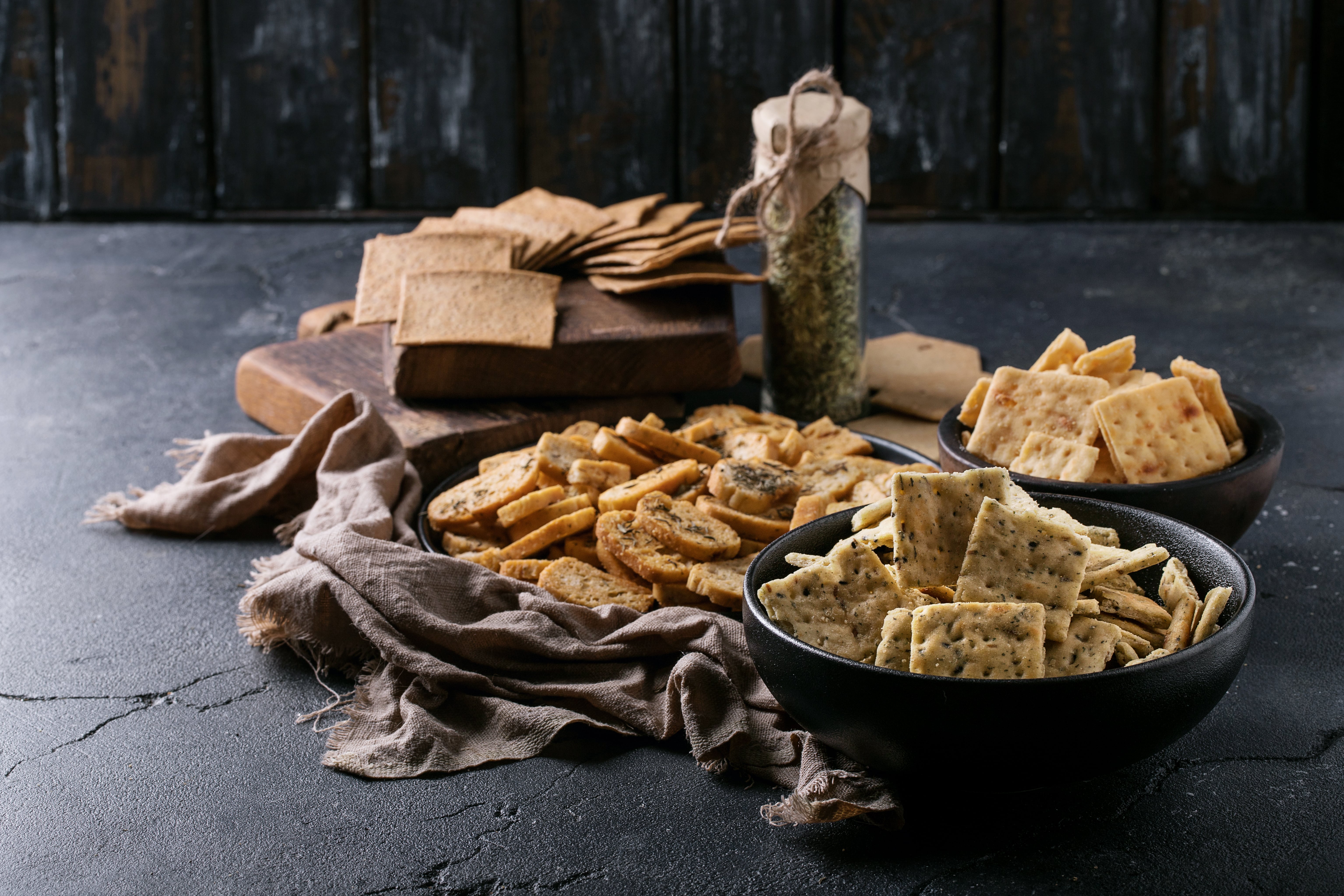
• Carbs – because sometimes, crackers are the only thing that won’t make you nauseous
Extra Calories Needed? None yet. Just eat what you can and make it count.
Second Trimester (Weeks 13–27): The “I Could Eat a Whole Pizza” Stage
Now things start ramping up! Your baby is growing fast, and so is your appetite. This is when you actually need to start eating a little more.
• Protein (1.2–1.5 g/kg of body weight/day) – helps build muscles, organs, and tissues
• Healthy fats (Omega-3s) – for brain and eye development (avocados, nuts, salmon, chia seeds)
• Carbs – to fuel your expanding blood volume and increased metabolism
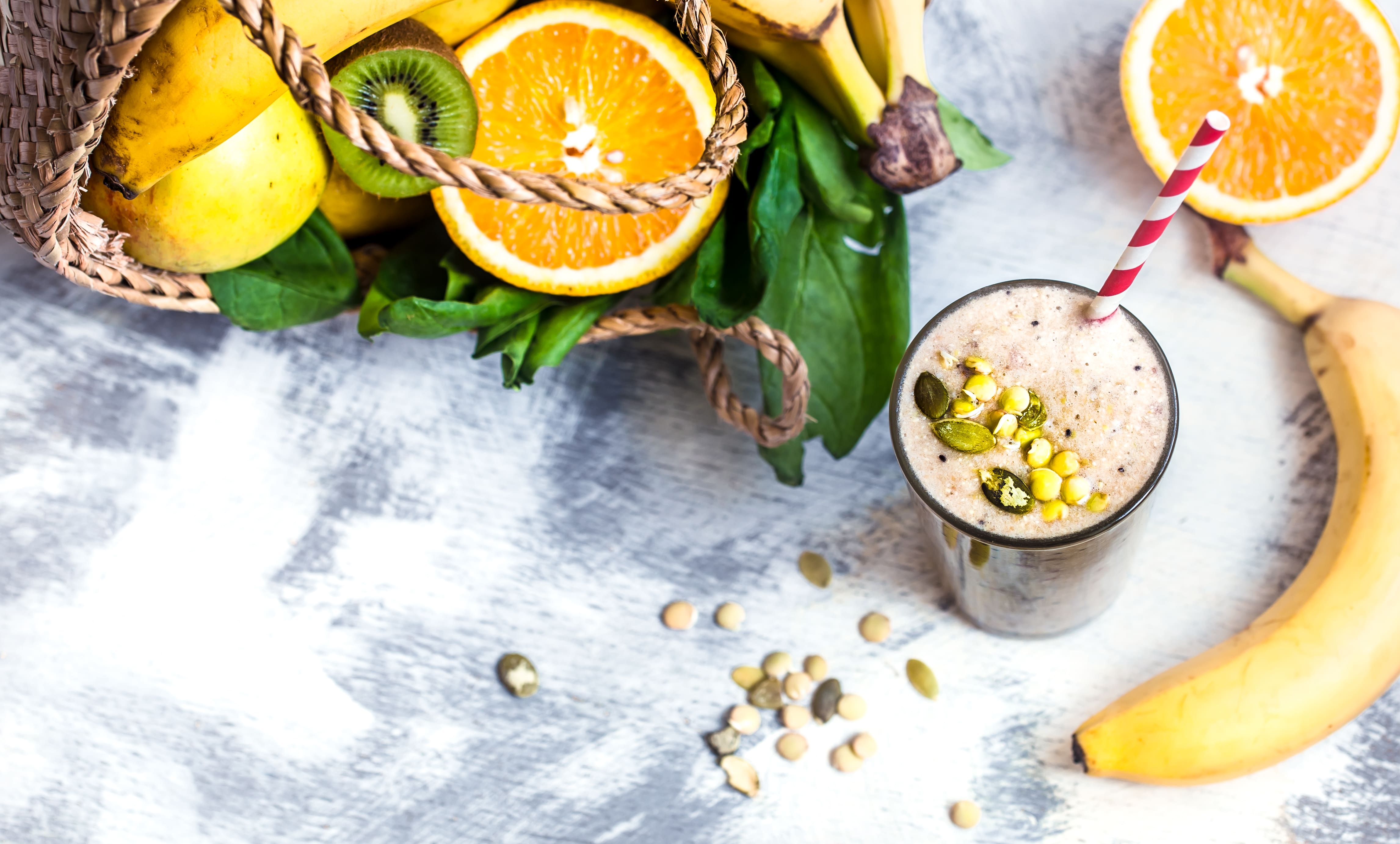
Extra Calories Needed? About 300 extra per day—the equivalent of a small snack, like a smoothie with almond butter or a handful of nuts and fruit.
Third Trimester (Weeks 28–Birth): The “Walking Watermelon” Stage
By now, your baby is gaining weight rapidly, and so are you. That’s normal and healthy! Your body is preparing for birth, and good nutrition is more important than ever.
• Protein – for baby’s final growth spurt
• Iron & Calcium – for oxygen transport and strong bones
• Carbs – because growing a human is exhausting
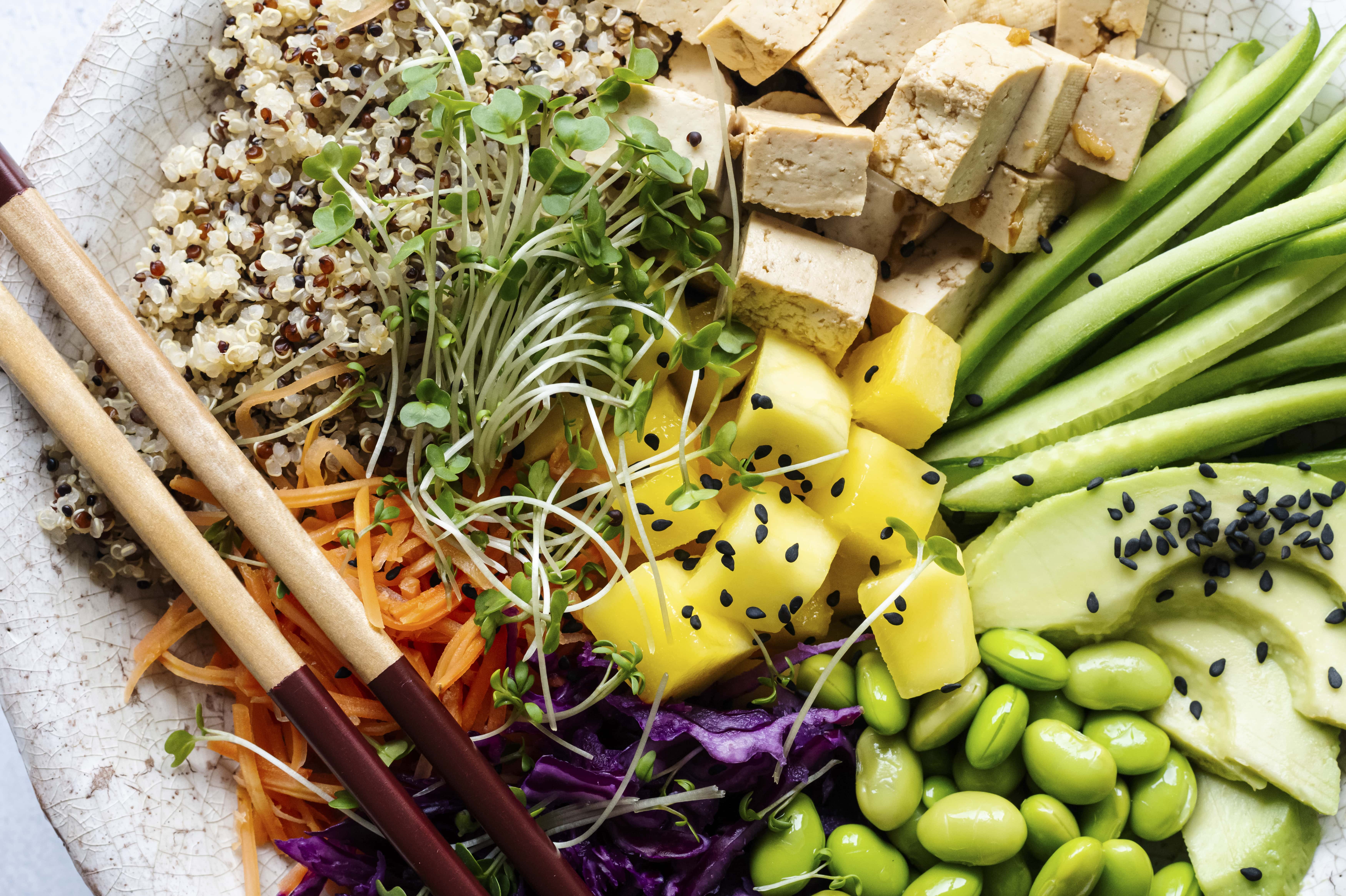
Extra Calories Needed? Around 450 extra per day—about the size of a small meal, like quinoa with veggies and tofu.
Postpartum: Losing Baby Weight (And Your Mind?)
The baby is out, but your body doesn’t just snap back overnight (unless you’re one of those rare unicorns). Postpartum recovery takes time, and how fast you lose weight depends on genetics, activity level, and whether you’re breastfeeding.
What’s Normal?
• First 6 weeks: You’ll naturally lose 5–6 kg right away (baby, placenta, fluids).
• Next few months: Expect a gradual loss of 0.5–1 kg per month.
• By 6–12 months postpartum, many women are close to their pre-pregnancy weight—but some take longer, and that’s completely fine.
Instead of fixating on the scale, focus on fueling your recovery and giving your body what it needs to heal.
Final Takeaway
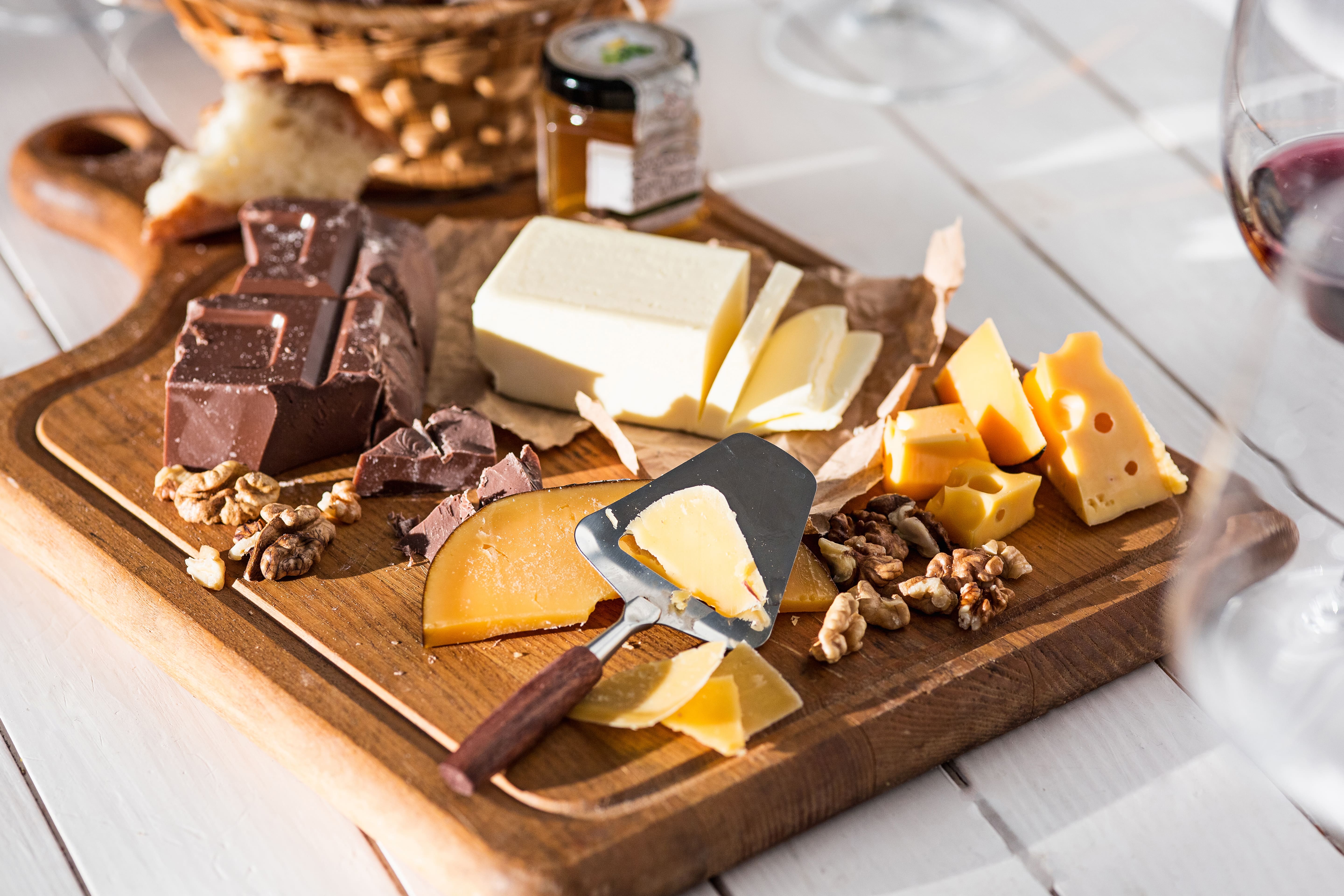
The biggest mistake I see among my patients postpartum isn’t about weight—it’s exhaustion and lack of time for proper meals. In the whirlwind of newborn life, good eating habits often get pushed aside. Between sleepless nights, constant feedings, and the never-ending to-do list, many women skip meals or rely on whatever is quick and easy—a piece of cheese here, a bite of chocolate there, another coffee to keep going.
Now, let’s be clear: cheese and chocolate? Keep them. They bring comfort and pleasure, and those moments matter. But they shouldn’t replace real meals. Your body has just been through months of incredible change, and now it needs balanced, nourishing food to recover, restore energy, and—if you’re breastfeeding—support milk production.
Prioritize protein, healthy fats, and complex carbs at every meal, even in small portions. If you don’t have time to sit down for a proper meal, meal prep simple, nutrient-dense snacks—think hummus with whole-grain crackers, a smoothie with nuts and seeds, or a bowl of lentil soup.
Taking care of a newborn is demanding, but taking care of yourself is just as important. Make the time to fuel your body properly—it will make all the difference in how you feel, function, and recover in the months ahead.
• Swiss Society for Nutrition. Alimentation pendant la grossesse et l’allaitement. Available at: SGE-SSN
• British Nutrition Foundation. Protein and Health. Available at: Nutrition.org.uk
• Jouanne, M. et al. Nutrient Requirements during Pregnancy and Lactation. Nutrients 2021, 13, 692.