How Gut Health Impacts Menopause and Mental Well-being
During menopause, hormonal fluctuations—particularly the decline in estrogen—can lead to a range of symptoms such as hot flashes, night sweats, and mood changes. The gut plays a critical role in moderating these fluctuations by influencing estrogen metabolism and regulating the production of serotonin, a neurotransmitter largely produced in the gut and responsible for mood regulation.
In addition to hormonal shifts, poor gut health has been associated with increased inflammation and oxidative stress, which can worsen symptoms of menopause and negatively impact mental well-being. Research suggests that maintaining a healthy gut microbiome can ease mood disorders, including anxiety and depression, which are common during perimenopause and menopause.
Foods and Strategies to Support Gut Health and Hormonal Balance
Maintaining gut health is essential for promoting hormonal balance and easing symptoms of PMS, perimenopause, and menopause. Here are some key strategies:
1. Prebiotics and Probiotics
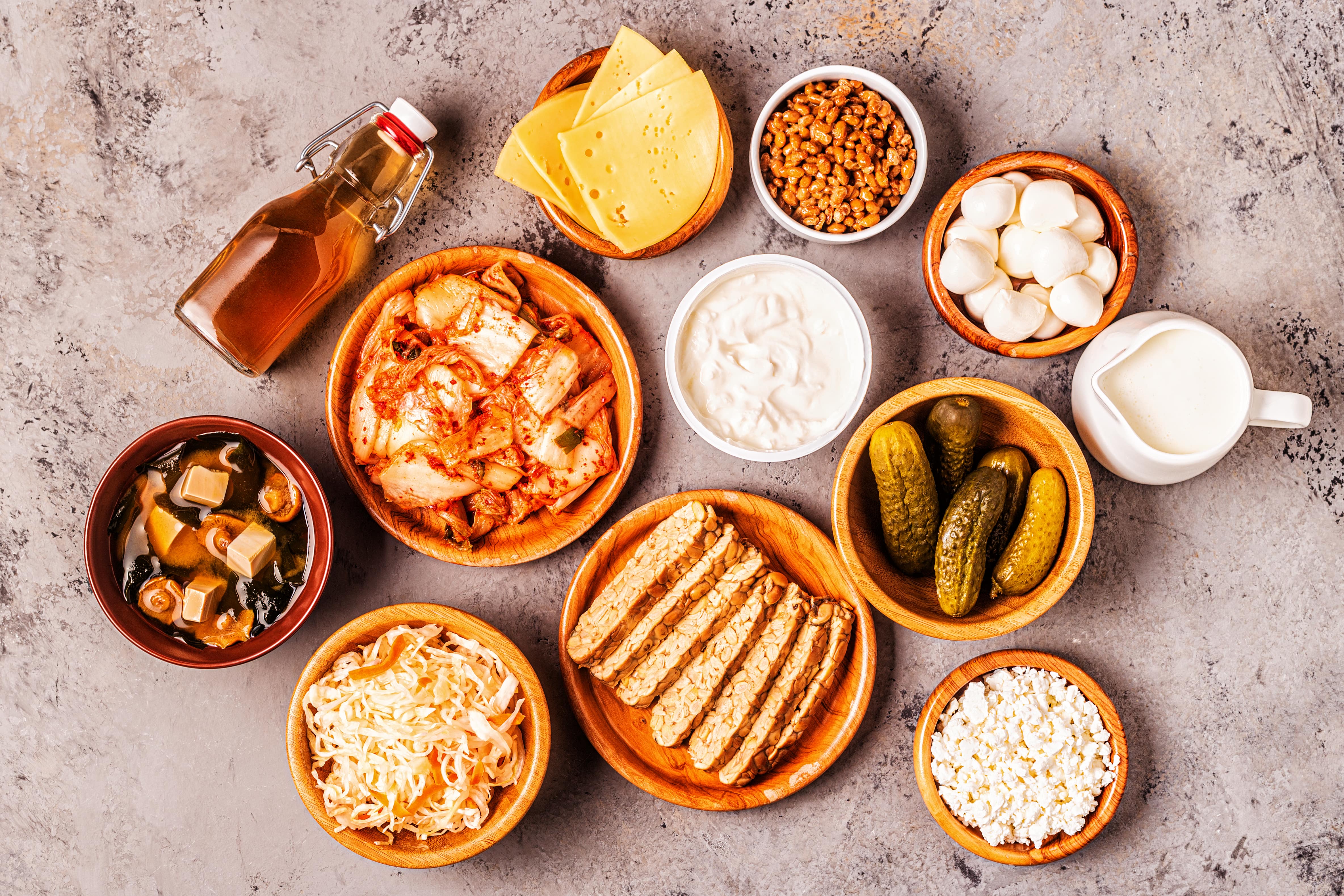
Probiotics (found in fermented foods like yogurt, kefir, sauerkraut, and kimchi) help maintain a healthy balance of gut bacteria, while prebiotics (found in fiber-rich foods like garlic, onions, bananas, and asparagus) feed beneficial gut bacteria. A diet rich in both prebiotics and probiotics can support the estrobolome’s ability to regulate estrogen metabolism.
• Recommended dosage: A good probiotic supplement should contain at least 10-20 billion CFUs per day for general gut health.
2. Fiber-Rich Foods
Fiber is essential for promoting regular bowel movements and eliminating excess estrogen. Foods like beans, lentils, oats, and leafy greens are excellent sources of fiber and help keep the gut healthy.
• Recommendation: Women should aim for 25 grams of fiber per day to support healthy digestion and hormone balance.
3. Omega-3 Fatty Acids
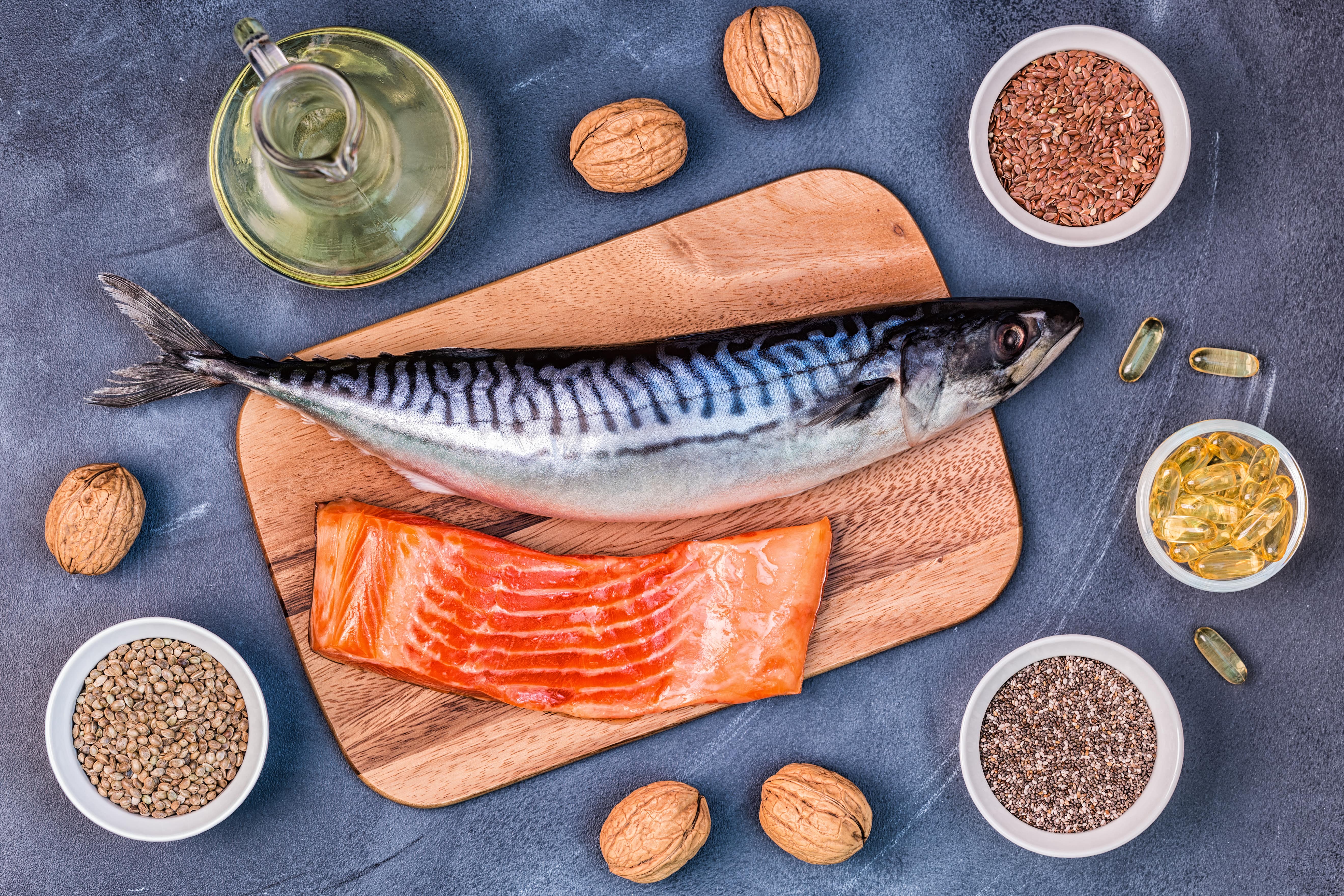
Omega-3s have anti-inflammatory properties and can help improve gut health and support hormone regulation. They are found in fatty fish like salmon, chia seeds, and flaxseeds. Omega-3s also support mental well-being by improving brain function and mood regulation.
• Recommended dosage: 1,000-2,000 mg of combined EPA and DHA per day can help reduce inflammation and promote gut health.
4. Gut-Healing Supplements
Supplements like L-glutamine, collagen, and zinc carnosine can help heal the gut lining, reducing leaky gut syndrome—a condition that can exacerbate hormonal imbalances by allowing toxins to enter the bloodstream and cause inflammation.
• Recommended dosage: 5 grams of L-glutamine per day can support gut lining integrity, while 10 grams of collagen can improve gut and skin health.
5. Magnesium
Magnesium supports muscle relaxation and bowel movements, which are essential for eliminating toxins and excess hormones. It also helps in regulating cortisol, the stress hormone, which when elevated, can disrupt hormonal balance.
• Recommended dosage: Aim for 300-400 mg of magnesium glycinate for better absorption and sleep support.
6. Tryptophan-Rich Foods
Tryptophan is an amino acid that supports serotonin production, which regulates mood and sleep. Foods like turkey, dairy, and pumpkin seeds promote relaxation and help balance serotonin levels, making them ideal for women experiencing mood swings during menopause.
Stress Reduction and Gut Health
Stress is a significant factor in gut dysfunction. Chronic stress raises cortisol levels, which in turn can disrupt the gut microbiome, leading to digestive issues and poor hormone regulation. Effective stress management strategies, such as mindfulness meditation, yoga, and deep-breathing exercises, can support gut health by lowering cortisol levels and reducing inflammation.
Incorporating journaling, reading, or other calming activities before bed can help the body unwind and reduce stress levels, which in turn helps support a healthier gut.

Conclusion: The Gut-Hormone Connection and Women’s Health
Maintaining a healthy gut is essential for hormonal balance, particularly during key life transitions such as PMS, perimenopause, and menopause. By incorporating gut-friendly foods, probiotics, and stress-reduction strategies, women can alleviate symptoms associated with hormonal changes and improve their overall well-being.
As research continues to unveil the profound connection between gut health and hormones, it’s clear that taking care of your gut is one of the most impactful ways to support a smoother transition through menopause and maintain mental and physical health.
References
1. Fuhrman, J., & Ferreri, D. M. (2011). The Role of the Estrobolome in Estrogen Regulation. Journal of Women’s Health, 20(2), 229-238.
2. O’Mahony, S. M., Clarke, G., Dinan, T. G., & Cryan, J. F. (2015). Gut Microbiota Regulation of Estrogen Metabolism: Impact on Menopause and Health Outcomes. Nature Reviews Endocrinology.
3. Vyas, R. C., Patel, M. S., & Desai, J. M. (2020). Effects of Probiotics on Hormonal Balance During Menopause. Journal of Nutrition and Gut Health.
4. Slavin, J. L. (2013). Fiber and Prebiotics: Mechanisms and Health Benefits. Nutrients, 5(4), 1417-1435.
5. Yao, Y., Wang, L., & Liu, H. (2014). The Impact of Omega-3 Fatty Acids on Inflammation and Estrogen Metabolism. American Journal of Clinical Nutrition.
6. Mosconi, L. (2020). The XX Brain: The Groundbreaking Science Empowering Women to Maximize Cognitive Health and Prevent Alzheimer’s Disease. Penguin Random House.
7. Dinan, T. G., & Cryan, J. F. (2017). Gut Microbiota: A New Frontier in the Mind-Body Connection. Nature Reviews Gastroenterology & Hepatology.
8. Mayo Clinic Staff. (2021). Menopause and the Gut: How Hormonal Changes Affect Digestive Health. Mayo Clinic Health System. Retrieved from Mayo Clinic.Title