The Foods That Make a Bit of a Mess
- Talia Dali
- Food & Hormones
If you’ve been following me for a while, you know I usually tell you what to add:
Eat more protein.
Add fiber.
Support your hormones.
Stabilize blood sugar.
Today, we’re flipping the perspective.
Let’s talk about what is… less helpful.
Because I love when a patient walks in and says: “J’ai mangé des cochonneries.”
And I always ask: “What does that mean for you?”
Chocolate? Bread? Wine? Take-away?
We all have our version.
But here’s the truth:
Food is not about being good or bad.
It’s about signals.
Some foods say: we’re good, carry on.
Others… create a bit of a mess.

Your Body Is Not a Machine. It’s an Orchestra.
This is the part most people miss.
Your body is not a calculator counting calories.
It’s an orchestra.
hormones
blood sugar
cortisol
brain chemistry
metabolism
All playing together.
When things are in sync, everything feels… easy.
Stable energy.
Clear mind.
Predictable mood.
Cycles that make sense.
But when one instrument goes off — say blood sugar spikes, or cortisol jumps in — the whole orchestra starts to sound… off.
Not dramatic.
Just enough to feel:
more tired
more reactive
more hungry
more sensitive
And food can either support the harmony… or make the noise louder.

Why It Feels So Different
Here’s where it gets interesting.
Your orchestra doesn’t play the same music every day.
Depending on:
your cycle
your sleep
your stress
your life phase
The same food can land very differently.
One day: dessert → background music
Another day: dessert → full percussion section
That’s not inconsistency.
That’s physiology.
And around midlife, a few musicians start changing their rhythm:
estrogen becomes less predictable
insulin sensitivity softens
muscle mass slowly decreases
sleep becomes lighter
Same inputs.
Different output.
The “Noisy” Foods
These foods are not bad.
They just tend to make the orchestra louder — especially when it’s already a bit out of tune.
Liquid sugar (and alcohol)
Fast, sharp signals.
Blood sugar rises quickly, insulin follows, cortisol often joins later.
Alcohol adds poor sleep to the mix.

Fried foods
If inflammation is already present (PMS, endometriosis, adenomyosis, perimenopause), they turn the volume up.

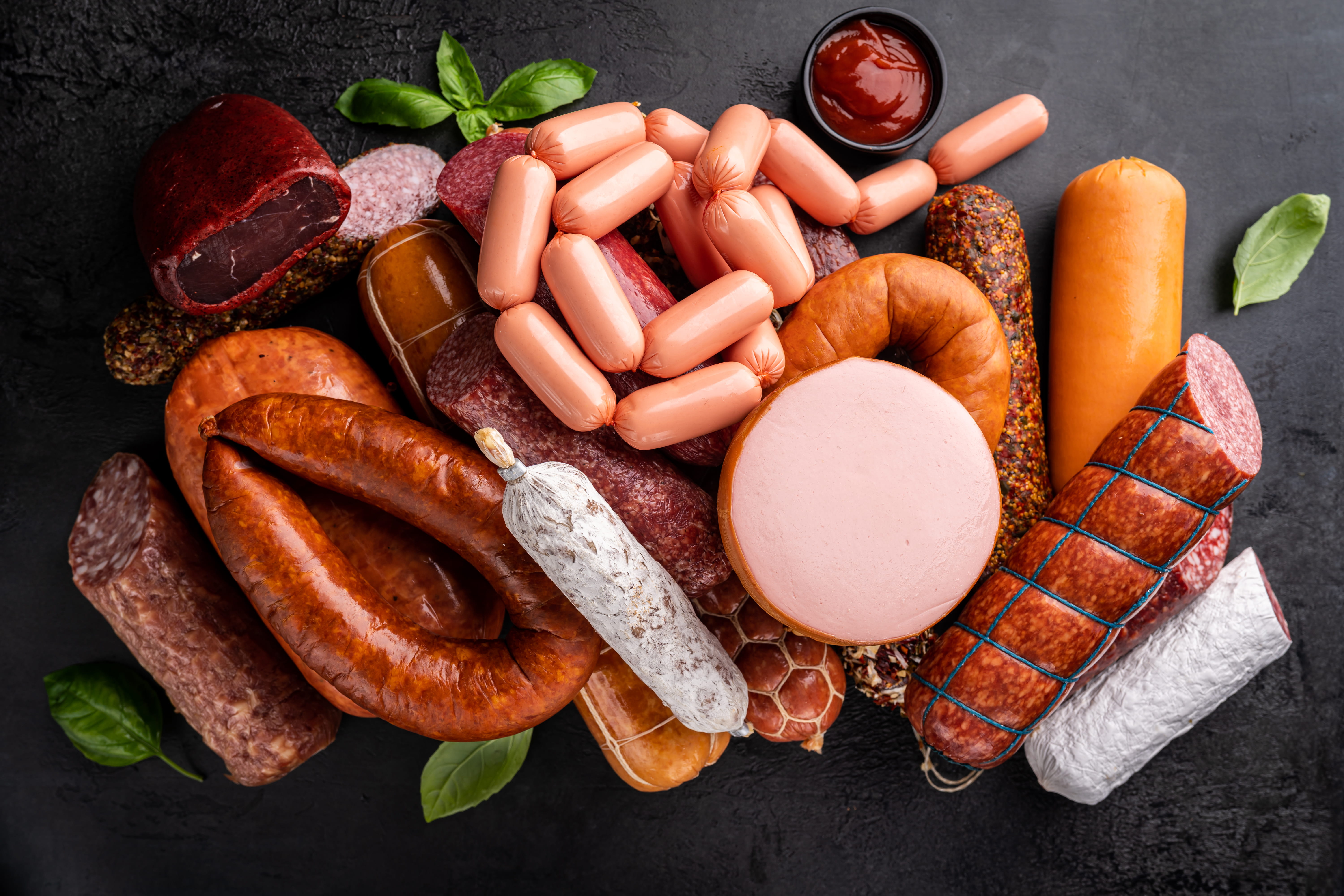
Processed meats
Convenient, but not the cleanest signal — especially when inflammation or vascular health matters more.
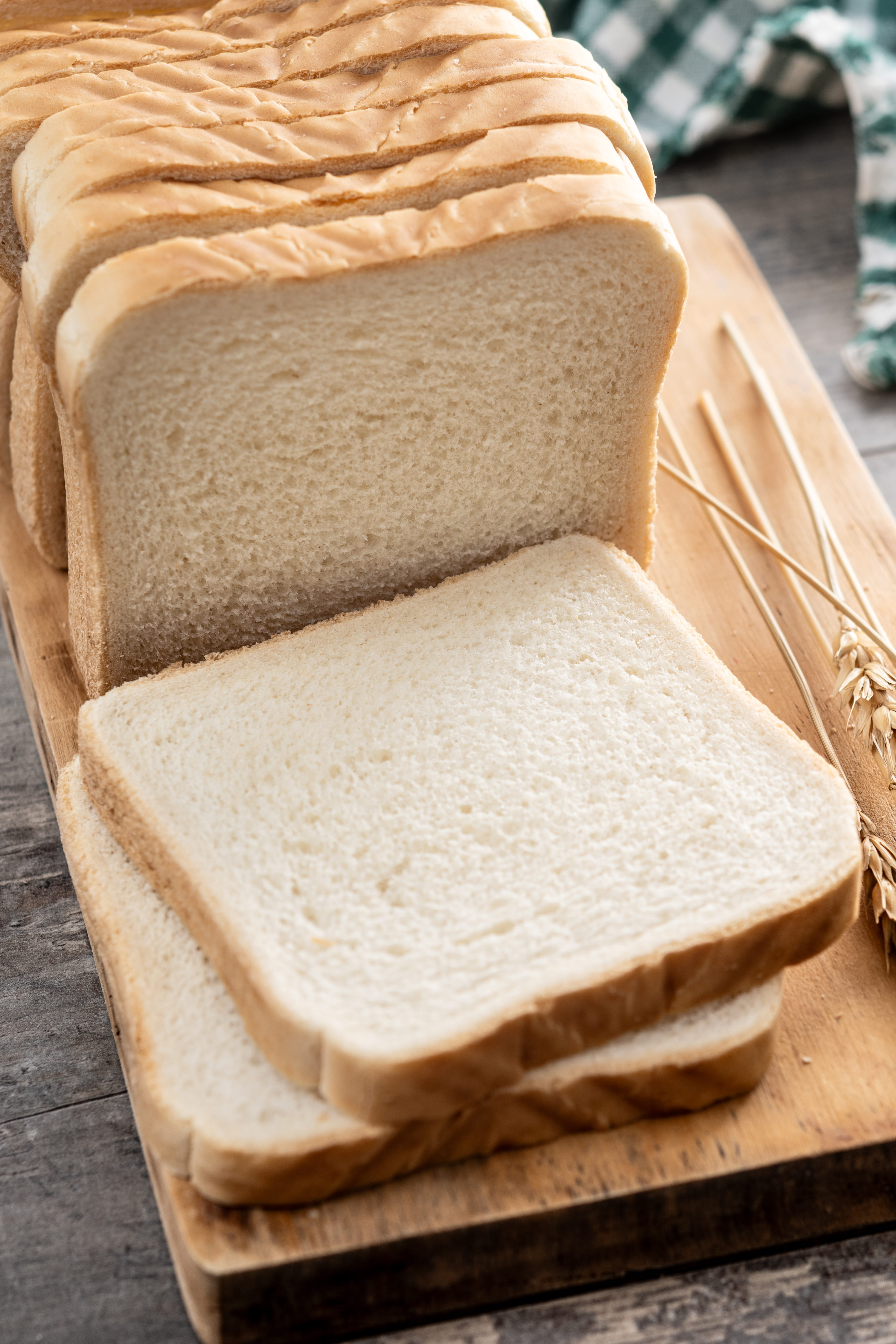
Refined carbohydrates
They look calm.
They behave fast.
Spike → crash → encore.
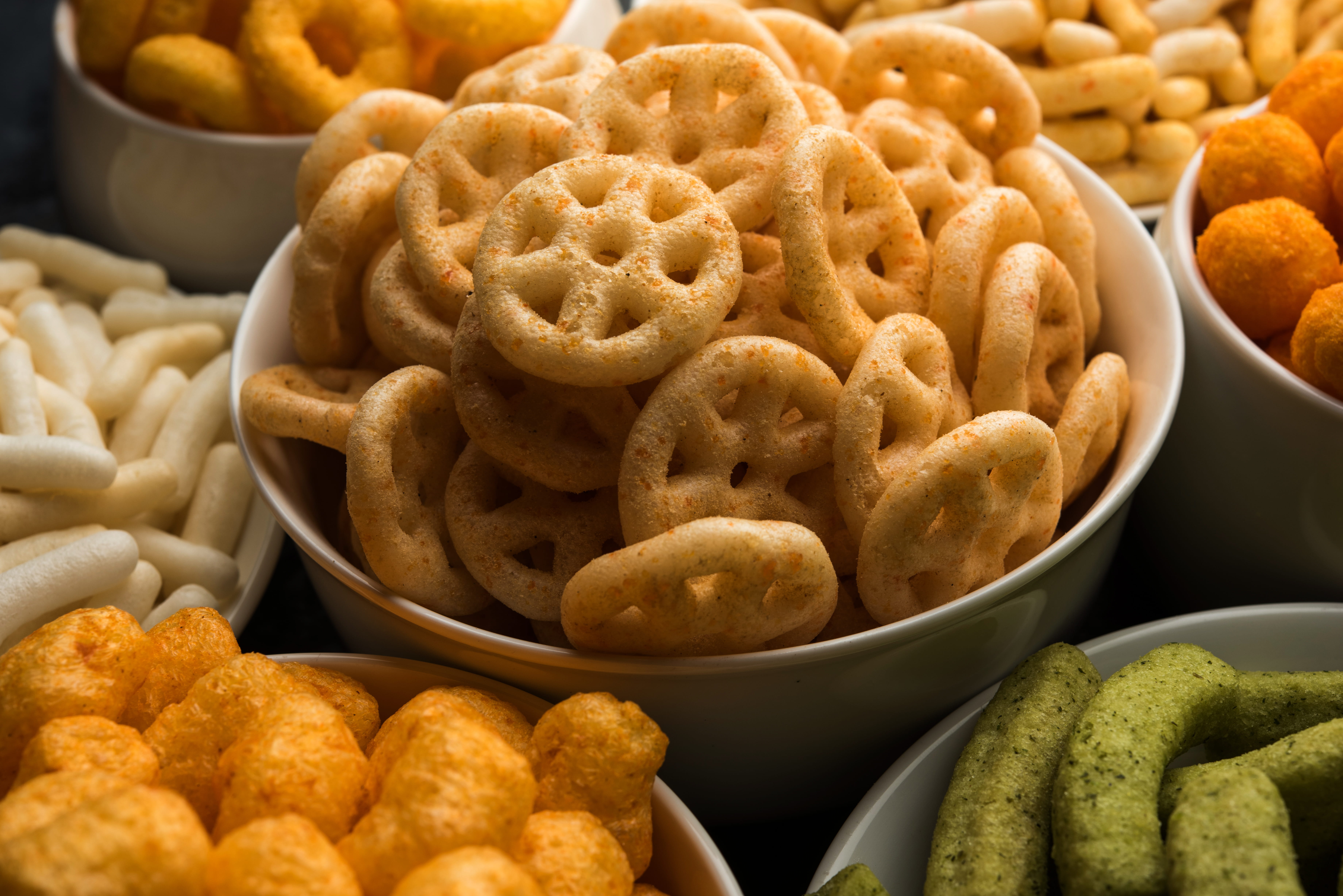
Ultra-processed snacks
Designed for speed, not stability.
They blur satiety, disturb gut signals, and keep the system slightly activated.
When the Orchestra Is Already Busy
This is where it really matters.
These foods don’t create chaos on their own.
They amplify what is already there.
And in women, there are moments when the system is naturally more sensitive:
PCOS, endometriosis, adenomyosis, fibroids
The orchestra is already reactive.
More noise → louder symptoms.
Trying to conceive
The system needs clarity and timing.
Too much metabolic noise = mixed signals.
A different score entirely.
The body becomes more insulin resistant on purpose — but less tolerant to overload.
Postpartum
Sleep is broken.
Cortisol is high.
Everything feels amplified.
Amenorrhea
The system has already pulled back.
Stress + unstable fueling reinforce that decision.
Estrogen steps back.
Blood sugar becomes less forgiving.
Recovery slows.
Same food.
Less tolerance.
Louder response.

The Real Goal
Not perfection.
Not restriction.
Not a life without pleasure.
The goal is a well-tuned orchestra.
So that:
most days feel stable
your body feels predictable
your hormones feel cooperative
And when you do have:
a glass of wine
a dessert
a spontaneous meal
…it doesn’t turn into a full internal concert.

Final Thought
You are not “bad” with food.
Your body is just… responsive.
Once you understand the signals:
guilt drops
choices simplify
your body feels more predictable
And suddenly…
You can support your hormones, your metabolism, your fertility -
and still fully enjoy your life.
No drama required.