The Mystery of Menopausal Weight Gain
- Talia Dali
- Perimenopause & Menopause, Food & Hormones
When I taught my first seminar on menopause last year, I thought I had all the answers. I was ready to dive into topics like hot flashes, insomnia, mood swings, low libido, and osteoporosis—issues I believed were the most relevant to this stage of life. But what completely threw me off was the wave of frustration about something I hadn’t prepared for:
“How do I stop gaining weight during menopause—and how can I lose it?”
The energy in the room was palpable. Women leaned forward, their questions loaded with urgency and exasperation. “I’m eating the same as before, but I’ve gained weight. Why?!”
I wasn’t ready for this. So, naturally, I went back to the books, researched articles, and dove deep into the science. And what I found is as fascinating as it is empowering. Let me break it down for you.
Welcome to Your Upgraded Self
Let’s start with a metaphor: your body is not the same as it used to be. Think of menopause as an upgrade. Sure, this “new version” of you may come with a few extra challenges, but it also gives you the chance to learn, adapt, and thrive in ways you might never have considered.
The first step in thriving is to understand why your body is storing visceral fat during menopause and what you can do about it.
Why Does Your Body Store Visceral Fat During Menopause?
One of the main culprits is estrogen, a hormone that regulates everything from fat storage to metabolism. As estrogen levels decline during menopause, your body undergoes several physiological changes that make it more prone to storing fat, particularly around the abdomen.
1. Estrogen Decline and Fat Redistribution
Before menopause, estrogen encourages fat storage in the hips and thighs (a.k.a. “gynoid fat”). When estrogen drops, your body pivots and starts storing fat in the abdominal area as visceral fat. This shift isn’t just cosmetic—it’s a survival mechanism. Visceral fat can produce small amounts of estrogen through a process called aromatization, acting as a backup source of this hormone.
While this might seem helpful, excess visceral fat increases your risk of health issues like insulin resistance, type 2 diabetes, and heart disease.
2. Insulin Resistance
Menopause makes your body less efficient at using insulin, the hormone that regulates blood sugar. This leads to insulin resistance, where glucose is more likely to be stored as fat rather than burned for energy. This fat often accumulates in the abdominal region, creating that frustrating cycle of weight gain despite eating “the same as before.”
3. Muscle Loss and Metabolic Slowdown
With age and menopause comes sarcopenia, the gradual loss of muscle mass. Since muscle burns more calories than fat, your metabolism slows as muscle mass decreases. Even if your diet hasn’t changed, your body now requires fewer calories to maintain its weight—making fat storage far more likely.
4. Stress and Cortisol
The stress hormone cortisol rises during menopause, thanks to hormonal shifts affecting the HPA (hypothalamic-pituitary-adrenal) axis. Chronically elevated cortisol promotes fat storage in the abdomen and increases cravings for sugary or fatty “comfort” foods.
5. Sleep Disruption
Sleep disturbances caused by hot flashes, anxiety, or insomnia affect hunger-regulating hormones like ghrelin (which increases appetite) and leptin (which signals fullness). Poor sleep amplifies cravings, disrupts glucose metabolism, and adds to weight gain.
Your Body Isn’t the Same—So Why Eat the Same?
Here’s the truth: menopause is hard because it demands change. But we’re social creatures of habit. It’s not easy to suddenly overhaul your daily menu after decades of eating the same way. Let’s be real: do you really think your brain will decide after reading this article to change your habits overnight? Of course not. You’re going to open the same fridge, check the same cupboards, and cook the same meals you’ve been making for years.
It’s not your fault—it’s human nature. Life is busy, and when you’re already tired and stressed, reinventing your meals feels like climbing a mountain. Plus, your body is incredibly adaptable. Even when you’re feeling sluggish or noticing tighter jeans, you might think, “Oh, it’s just me. I’ll deal with it.”
But here’s the thing: your body isn’t the same anymore. And that’s okay. What worked for you before won’t work now, and it’s time to adapt. Menopause is a chance to invest in your long-term health and well-being. Yes, it’s a challenge, but your body will thank you for taking this step.
Protein: Your Secret Weapon
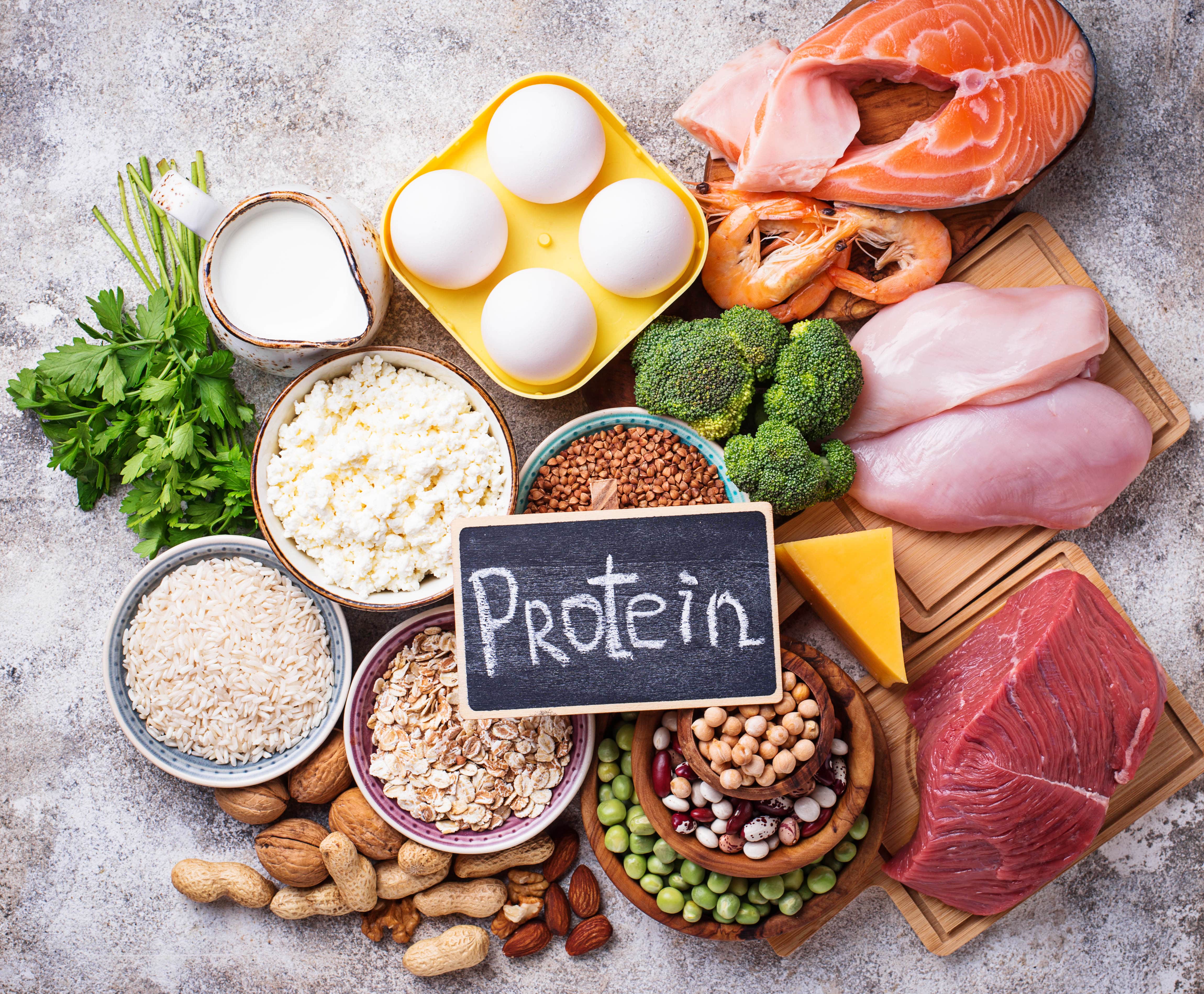
If you’re wondering how to manage all these changes, let me introduce your new best friend: protein. This nutritional powerhouse plays a vital role in combating menopausal weight gain.
1. Supports Muscle Health
Protein helps maintain and rebuild muscle, which is critical for keeping your metabolism running efficiently and offsetting sarcopenia.
2. Stabilizes Blood Sugar
Adding protein to your meals balances blood sugar levels and reduces insulin spikes, helping to prevent fat storage.
3. Keeps You Satiated
Protein keeps you full longer, reducing hunger and cravings—both of which tend to increase during menopause.
4. Promotes Fat Loss
Unlike crash diets that cause muscle loss, eating enough protein helps preserve muscle while encouraging fat loss, improving body composition.
Carbs and Fats: Friends, Not Foes
While protein is the star, carbs and fats are still essential:
• Carbs: Focus on complex carbs like quinoa, oats, and sweet potatoes. They provide sustained energy and keep blood sugar stable when paired with protein or healthy fats.
• Fats: Healthy fats, especially omega-3s (found in salmon, flaxseeds, and walnuts), reduce inflammation, support heart health, and balance hormones.
Practical Strategies for Thriving During Menopause
1. Distribute Protein: Feed Your Muscles All Day
Eating enough protein is important, but when you eat it matters, too. Spreading your protein intake evenly throughout the day ensures your muscles receive a constant supply of amino acids to support repair and growth.
How to distribute protein:
• Breakfast: Start your day with 20–30 grams of protein, such as eggs with avocado on whole-grain toast or a Greek yogurt smoothie with spinach and chia seeds.
• Lunch: Incorporate lean protein like chicken, salmon, or lentils into your salad or grain bowl.
• Snacks: Hard-boiled eggs, a handful of nuts, or a banana with peanut butter are excellent options.
• Dinner: Aim for a serving of fish, tofu, or another protein-rich food alongside vegetables and a small portion of complex carbs.
Pro Tip: Don’t skip protein after workouts—your muscles are primed to absorb nutrients during this time, making it the ideal moment for a protein-packed snack or meal.
2. Prioritize Strength Training: Build and Preserve Muscle
Muscle is your metabolic ally. As muscle mass declines during menopause (sarcopenia), strength training becomes essential to maintain or even build it back. Not only does muscle burn more calories than fat, even at rest, but it also supports bone density—crucial for preventing osteoporosis.
How to get started:
• Aim for 2–3 strength training sessions per week. Focus on exercises that target major muscle groups, such as squats, lunges, push-ups, or weightlifting.
• If you’re new to strength training, start with resistance bands or bodyweight exercises before progressing to heavier weights.

3. Manage Stress: Keep Cortisol in Check
Stress is one of the biggest disruptors during menopause, as high cortisol levels can lead to abdominal fat storage, cravings, and disrupted sleep. Managing stress isn’t just about feeling better mentally—it’s about supporting your physical health.
Stress-reducing practices to consider:
• Yoga: Even 10–15 minutes a day can lower cortisol levels and improve flexibility and balance.
• Mindfulness and Meditation: Apps like Calm or Headspace offer guided meditations to help quiet your mind.
• Deep Breathing: Practice box breathing (inhale for 4 seconds, hold for 4 seconds, exhale for 4 seconds, hold for 4 seconds) to calm your nervous system during stressful moments.
• Nature Walks: Simply being outdoors can reduce stress and boost mood.

4. Prioritize Sleep: Recharge Your Body
Sleep is a non-negotiable for regulating hunger hormones, supporting recovery, and maintaining energy. However, menopause often brings sleep challenges due to night sweats, anxiety, or insomnia.
Strategies for better sleep:
• Create a wind-down routine: Dim lights, avoid screens, and engage in relaxing activities like reading or taking a warm bath.
• Cool your sleep environment: Use breathable sheets, wear lightweight clothing, and keep your room temperature cool to counteract night sweats.
• Avoid stimulants: Cut off caffeine by noon and limit heavy meals or alcohol in the evening.
• Supplement wisely: Magnesium glycinate or melatonin may support sleep if needed.
The Takeaway
Let’s be real—menopause isn’t a walk in the park. It’s more like a hike up a steep hill… in heels… during a heatwave. But here’s the thing: you’re tougher than you give yourself credit for, and with a little strategy, you can tackle this phase like a pro.
By balancing your plate, committing to strength training, managing stress, prioritizing sleep, and spacing out your protein intake, you’re not just managing weight—you’re reclaiming your power. These strategies don’t just help you fit into your jeans; they make you feel stronger, sharper, and more in control of your body.
And remember, this isn’t about perfection or giving up everything you love. You don’t have to eat kale for every meal or meditate for hours on end. It’s about small, sustainable tweaks—nudging your habits toward a healthier rhythm that matches the upgraded version of you.
Sure, your body’s new rhythm may feel like a mysterious drum solo, but with consistency, those habits will harmonize beautifully. Not only will they help you thrive during menopause, but they’ll also pave the way for decades of vitality. So, take it one step at a time, laugh at the occasional misstep, and keep going. After all, you’ve navigated life’s twists and turns like a champion so far—why stop now?
Your body will thank you, and future you will be high-fiving you in gratitude. You’ve got this!