Hormonal Migraines
- Talia Dali
- Menstrual Health
There’s a very specific kind of migraine that doesn’t show up randomly.
It arrives on schedule.
Usually right before your period - like an uninvited guest who not only knows your calendar, but also picks the worst possible day to show up.
That’s a hormonal migraine.
What’s actually happening?
The trigger is not “low hormones.”
It’s the sudden drop in estrogen just before bleeding.
Estrogen is doing quite a lot behind the scenes - keeping your mood stable, your brain calm, your inflammation in check. So when it suddenly disappears, your system has to adjust.
Quickly.
And sometimes your brain reacts like:
“Absolutely not.”
Result: migraine.
Why you (and not someone else)?
Because it’s not just about hormones.
It’s about how well your body handles change.
Two women can have the same hormonal drop.
One continues her day.
The other is lying in a dark room negotiating with life.
The difference? Resilience.
If your system is already a bit overloaded - blood sugar swings, poor sleep, stress, inflammation - that hormonal drop hits much harder.
Hormones pull the trigger.
Your baseline determines the explosion.

Why these migraines feel worse
You’re not imagining it.
They are worse.
Longer, heavier, more dramatic… slightly less cooperative.
Because it’s not just estrogen dropping. You also have increased inflammatory activity and a nervous system that is already more sensitive at that phase.
It’s basically a perfectly timed internal storm.
What actually helps
The goal is not to heroically survive the migraine.
It’s to make that premenstrual phase… less of a battlefield.
Once you notice your pattern (often 1–3 days before your period), you can support your system before things escalate.
Evidence-based support:
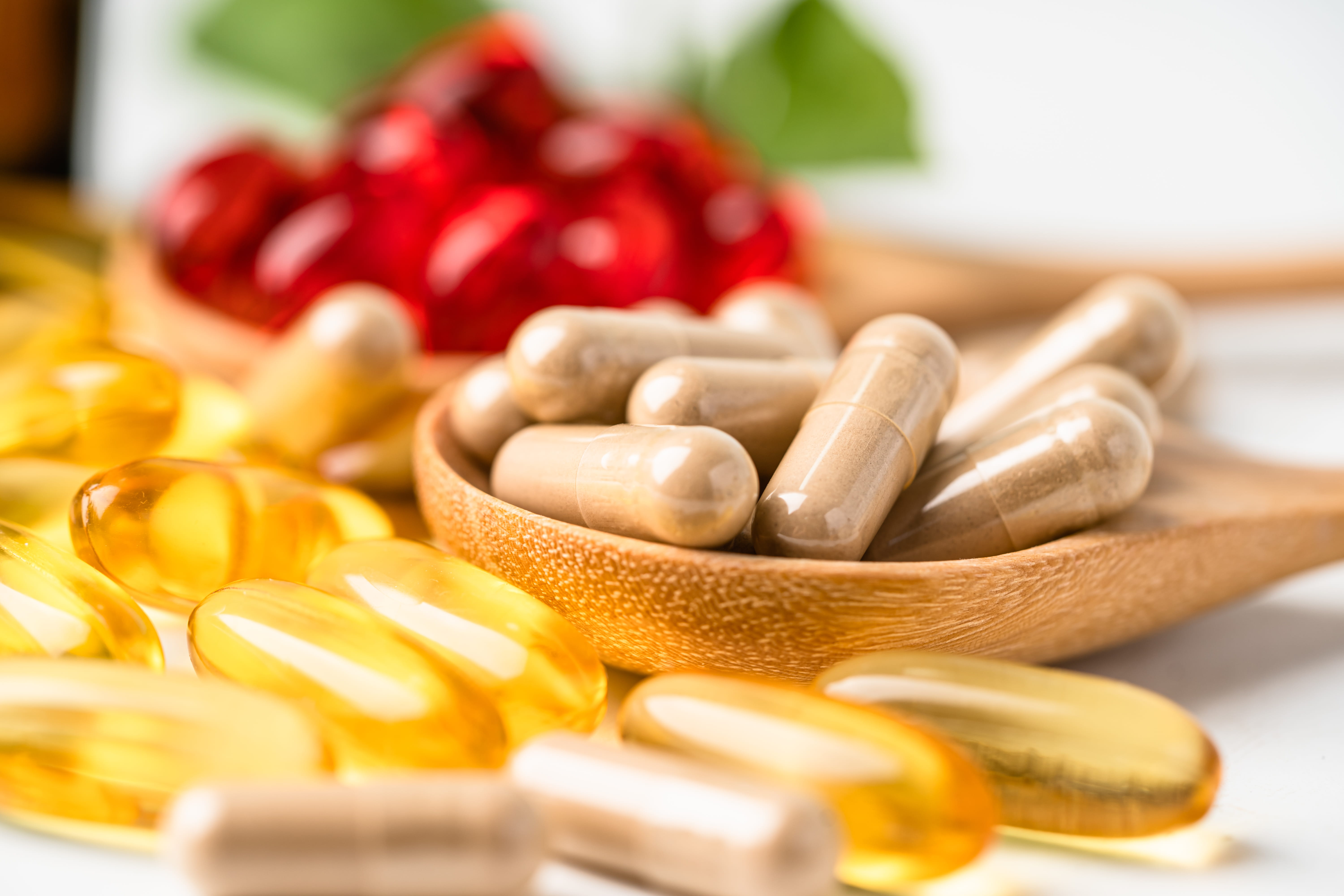
Magnesium glycinate : 300–400 mg daily → start 5–7 days before your period → continue through the first days of bleeding
Riboflavin (vitamin B2) : 200 mg daily → for at least 3 months
Omega-3 (EPA/DHA): 1–2 g EPA daily → ongoing
Optional: CoQ10 : 100mg daily → especially if fatigue is part of the picture
This is not instant magic.
But over time, things become… noticeably less dramatic.
A missing piece many women overlook
There is another layer that quietly makes everything worse: iron deficiency.
Many women enter their period already low in iron - especially if they have heavy bleeding.
And iron is not just about “not being tired.”
It plays a role in:
oxygen delivery to the brain
energy production
neurotransmitter function
So if your levels are low, your brain is already under-fueled… right at the moment it needs to adapt the most.
Add a hormonal drop on top of that - and it’s not surprising things escalate.
Food matters more than you think (especially in the luteal phase)
The second half of your cycle is not the time for:
light meals
random snacking
or “I’ll just have a smoothie” energy
Your body is preparing for a major hormonal shift.
It needs stable, sufficient fuel.
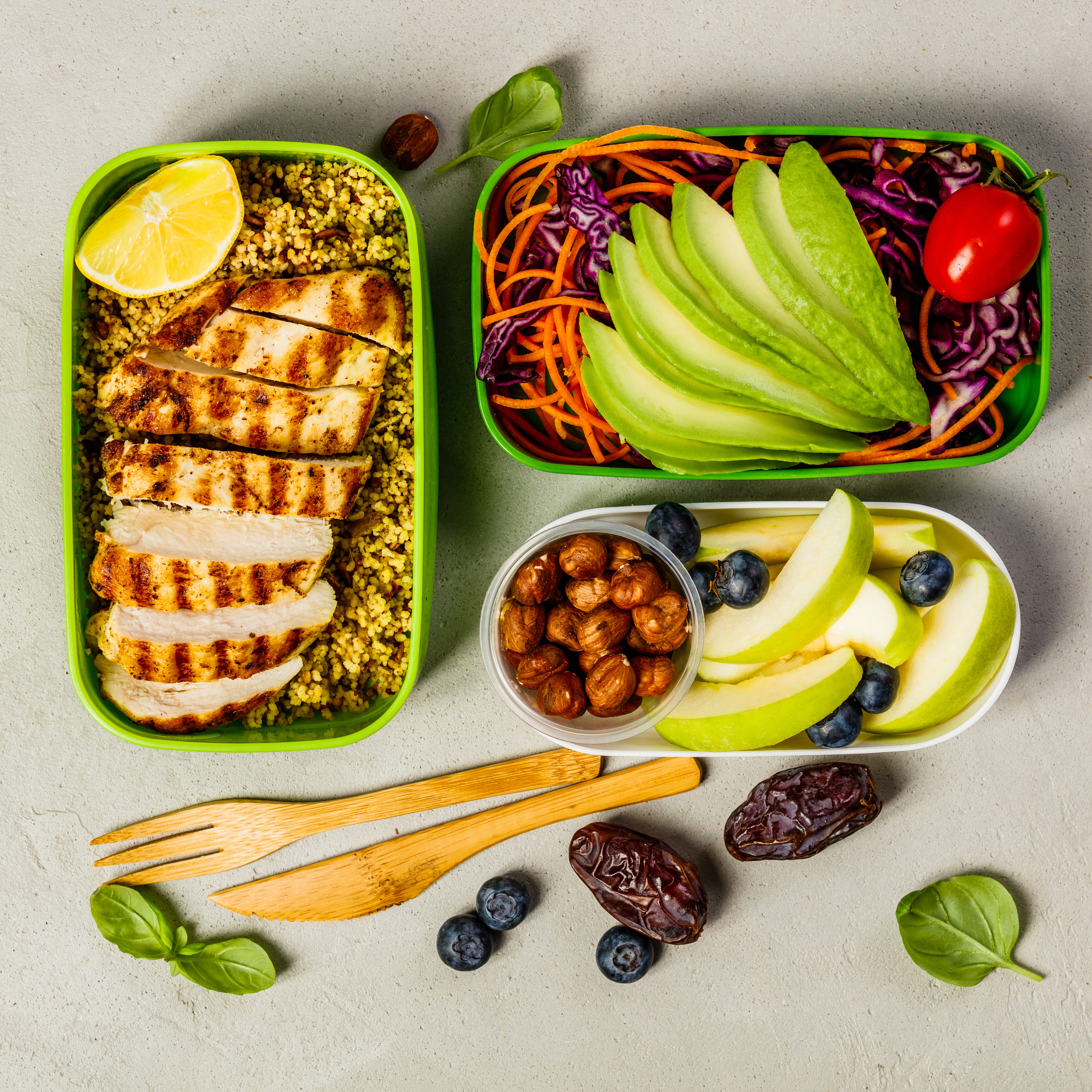
This means:
real meals
enough protein (for neurotransmitters and hormonal signaling)
enough carbohydrates (to stabilize blood sugar and reduce stress response)
and, if needed, iron-rich foods (lentils, red meat, eggs, tofu, leafy greens, or well-absorbed sources depending on your diet)
When intake is too low or too erratic, the body compensates by increasing stress signals.
And that lowers your tolerance to the estrogen drop.
In simple terms: underfueling makes hormonal migraines worse.
And acupuncture
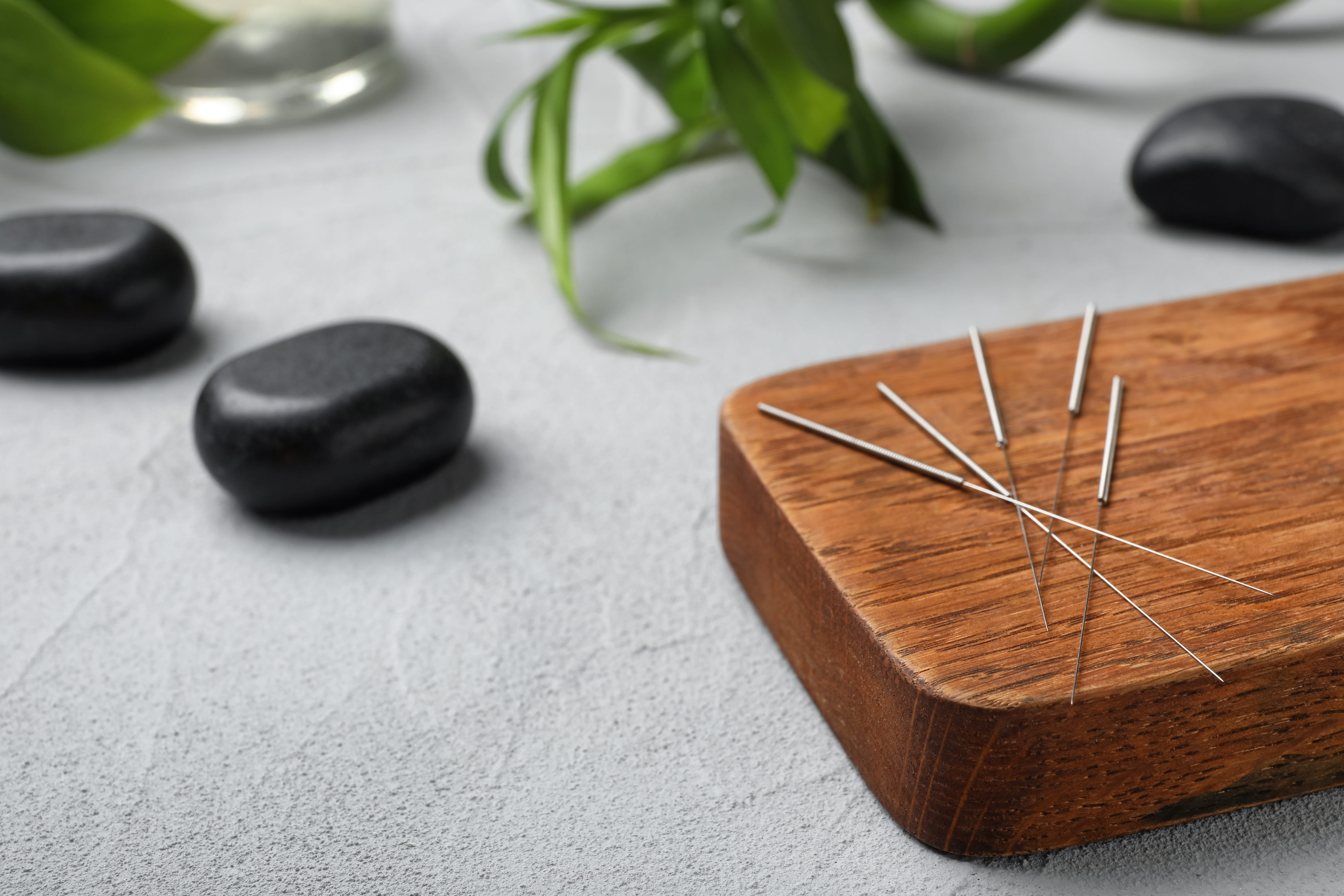
This is where things often get interesting. Acupuncture doesn’t force your body to behave.
It helps it regulate.
Nervous system calms down. Blood flow improves. Pain sensitivity decreases.
Clinically, what we see is simple:
fewer migraines
shorter episodes
less intensity
In other words, your brain becomes… slightly more cooperative.
A word on the pill
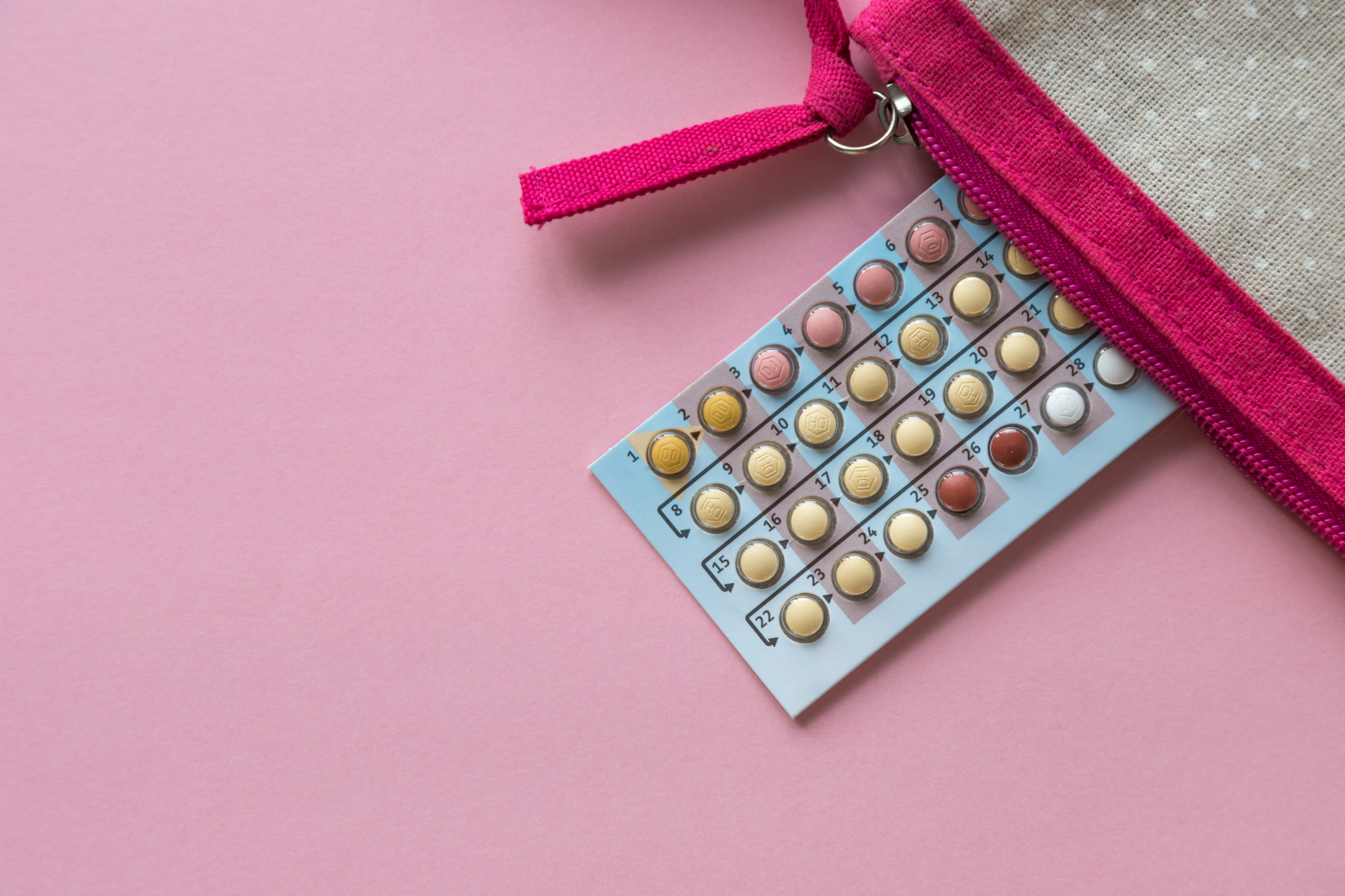
The contraceptive pill can either be your best friend… or your worst enemy. Some women feel much better - everything is smoother, more predictable. Others suddenly develop migraines and wonder what just happened.
Because the pill doesn’t just “add hormones.”
It changes the whole system:
stops natural production
adds synthetic hormones
and often still creates a drop during the pill-free week
And yes, your brain notices. So if migraines started or worsened with the pill, it’s not in your head. (It’s… literally in your head, but you get the point.)
Final thought
A hormonal migraine is not random. It’s your body saying: “This transition is too abrupt. Please do something about it.” And your role is not to ignore it. It’s to make that transition smoother - so your brain doesn’t feel the need to file a formal complaint every month.