Sugar, Stress, and Hormones: The Real Story
Sugar has a serious PR problem.
One minute, we’re told our brain needs glucose to survive.
The next, sugar is labelled public enemy number one—
inflammatory, addictive, hormone-wrecking, brain-fog-inducing.
So… what are we supposed to do?
Eat it?
Avoid it?
Fear it?
Let’s clear the confusion.
Sugar is not good or bad.
Sugar is fuel.
And fuel only becomes a problem when it’s badly delivered, badly timed, or constantly overused—something women are particularly sensitive to because of our hormonal physiology.
Why Are We So Confused About Sugar?
Because we’re blending biology with modern food reality, and then blaming ourselves for the mismatch.
As Jessie Inchauspé shows so clearly, the issue isn’t glucose itself, but how sharply and how often blood sugar spikes and crashes in modern eating patterns.
And as Robert Lustig has explained for years, sugar—especially when stripped of fibre and consumed all day long—overloads metabolic systems that were never designed for constant stimulation.
For women, this matters even more because blood sugar and hormones are in constant conversation.
In simple terms:
Your body loves sugar.
Your body hates chaos.

Sugar 101
Sugar is a carbohydrate.
When you eat carbohydrates—fruit, rice, bread, potatoes, pasta, or sweets—your digestive system breaks them down into glucose.
Glucose then enters your bloodstream.
Think of it as fuel delivered to your street and placed right in front of your house.
The fuel is there—but it hasn’t been used yet.
Insulin: The Key, the Door, and the Fireplace
Your cells are like houses.
They are not wide open. They are protected by doors—the cell membranes.
Even though glucose is the fuel your body needs, most cells cannot let it inside on their own.
This is where insulin comes in.
Insulin acts as the key that opens the door, allowing the fuel to move from the street into the house. Once inside the cell, glucose is guided to the fireplace—the mitochondria.
The mitochondria burn that fuel to produce ATP, the energy that allows you to:
think clearly
move your body
digest food
regulate hormones
and quite literally stay alive
This is sugar doing exactly what it is supposed to do.

A Small but Crucial Exception: The Brain and the Liver
Not all houses work the same way.
Some cells—especially brain cells and liver cells—keep their doors partially open. They can take up glucose without relying heavily on insulin.
This is intentional.
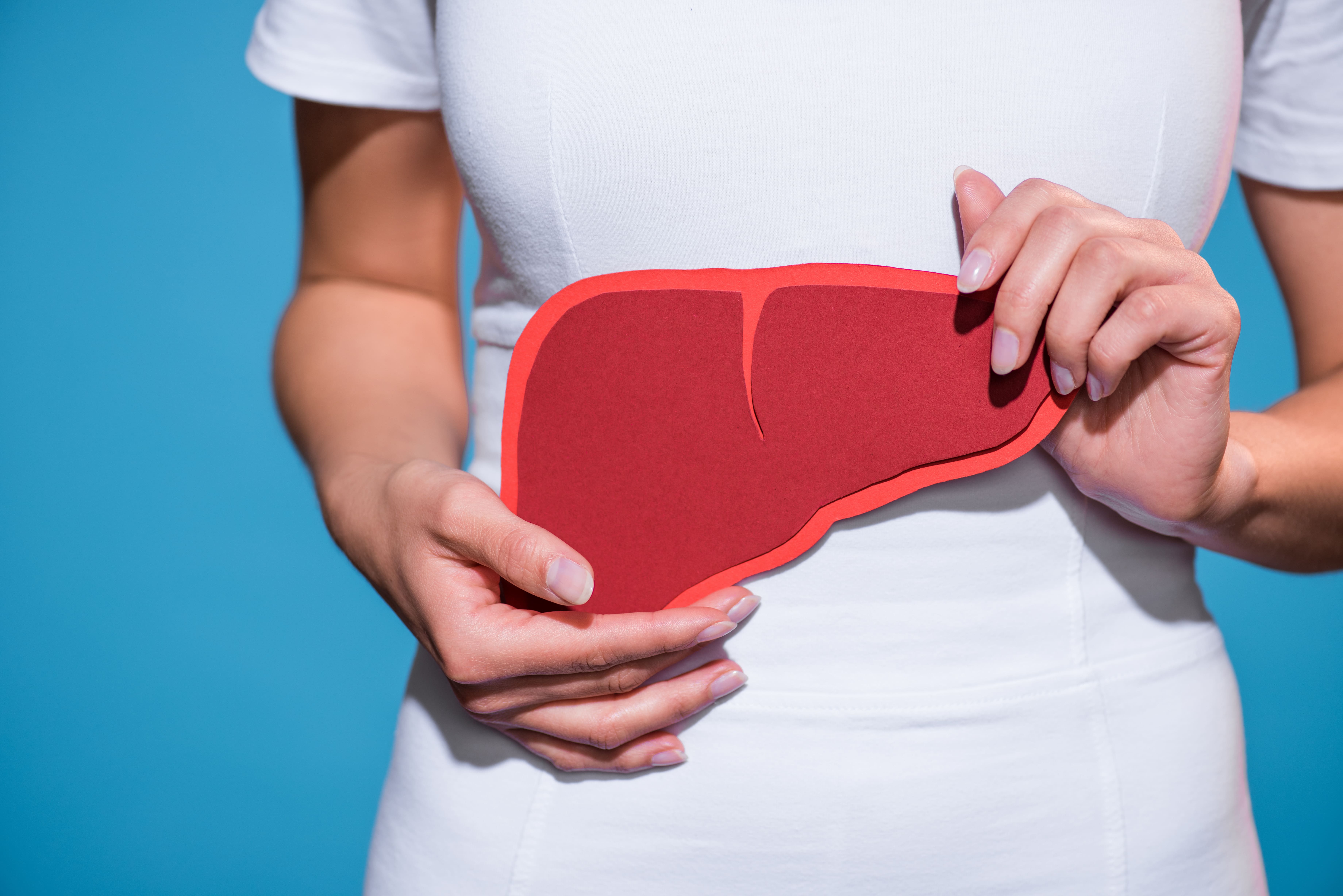
Your brain must have constant access to fuel to keep you alert, emotionally regulated, and alive. Your liver acts as the glucose manager—storing fuel when there’s plenty and releasing it when energy is needed.
Insulin is not the key everywhere.
But it is essential for most tissues, especially muscles and fat cells—tissues that play a major role in women’s metabolic and hormonal health.
Why This Matters for Women
When glucose cannot enter cells efficiently—because insulin is overwhelmed, ignored, or resisted—it stays outside, circulating in the bloodstream.
And glucose that lingers in the blood is no longer helpful fuel.
It becomes a source of:
oxidative stress
vascular irritation
inflammatory signaling
This inflammatory state can directly influence:
PMS and PMDD
PCOS symptoms
cycle irregularity
fatigue and brain fog
mood swings and anxiety
perimenopausal and menopausal symptoms
So the issue is not sugar itself.
The issue is fuel that never makes it into the house—or never reaches the fireplace.

When Sugar Misses the Door
This is where symptoms start showing up in everyday life.
When glucose stays in the bloodstream instead of entering cells, it:
irritates blood vessels
increases oxidative stress
activates inflammatory pathways
In plain language:
Glucose that isn’t used becomes inflammatory.
Sugar isn’t toxic.
Sugar in the wrong place is.

The Two Most Common Sugar Problems
At this point, two patterns tend to appear—especially in women:
1. Blood Sugar Spikes
When glucose rises fast, insulin rushes in, blood sugar drops just as quickly, and the result feels like:
sudden fatigue
irritability (“Why am I angry at everyone?”)
shakiness
brain fog
cravings for more sugar
This isn’t lack of willpower.
It’s a biological rebound effect.
2. Insulin Resistance
If insulin knocks on the door too often, the cell stops responding properly.
The key still works—but the lock is rusty.
This is insulin resistance.
Over time, it is associated with:
chronic fatigue
abdominal weight gain
hormonal imbalance
inflammation
and eventually type 2 diabetes
This isn’t about one dessert.
It’s about chronic metabolic overload—something many women experience quietly for years.

Why This Is a Women’s Health Issue
Insulin resistance doesn’t just affect blood sugar.
It influences cycles, fertility, mood, energy, and emotional resilience.
Because estrogen, progesterone, cortisol, and insulin constantly interact, blood sugar instability can amplify symptoms—especially:
in the second half of the cycle
during pregnancy
in perimenopause and menopause
Many women are told they are “doing everything right” and still feel exhausted, irritable, or out of balance.
This is often why.