The Pill: Who’s Running the Show?
- Talia Dali
- Menstrual Health
Let's talk about the pill. Not in a "here are seventeen side effects in font size four" way. In a real way — the kind of conversation you wish you'd had before you were handed a prescription and sent on your way.
Most of us have taken it, are taking it, or know someone who is. And yet very few of us actually know what it's doing inside our bodies.
Let's fix that. I promise to make it interesting.
Meet your body's management team
Imagine your body is a company. (Stay with me.)
At the top sits the director — your hypothalamus. He monitors everything: your stress, your sleep, your energy, whether you've eaten. He is, in the most well-meaning way possible, always watching.
Below him is his efficient personal secretary — the pituitary gland. When the director says "send a message," she sends it. Promptly, no follow-up required.
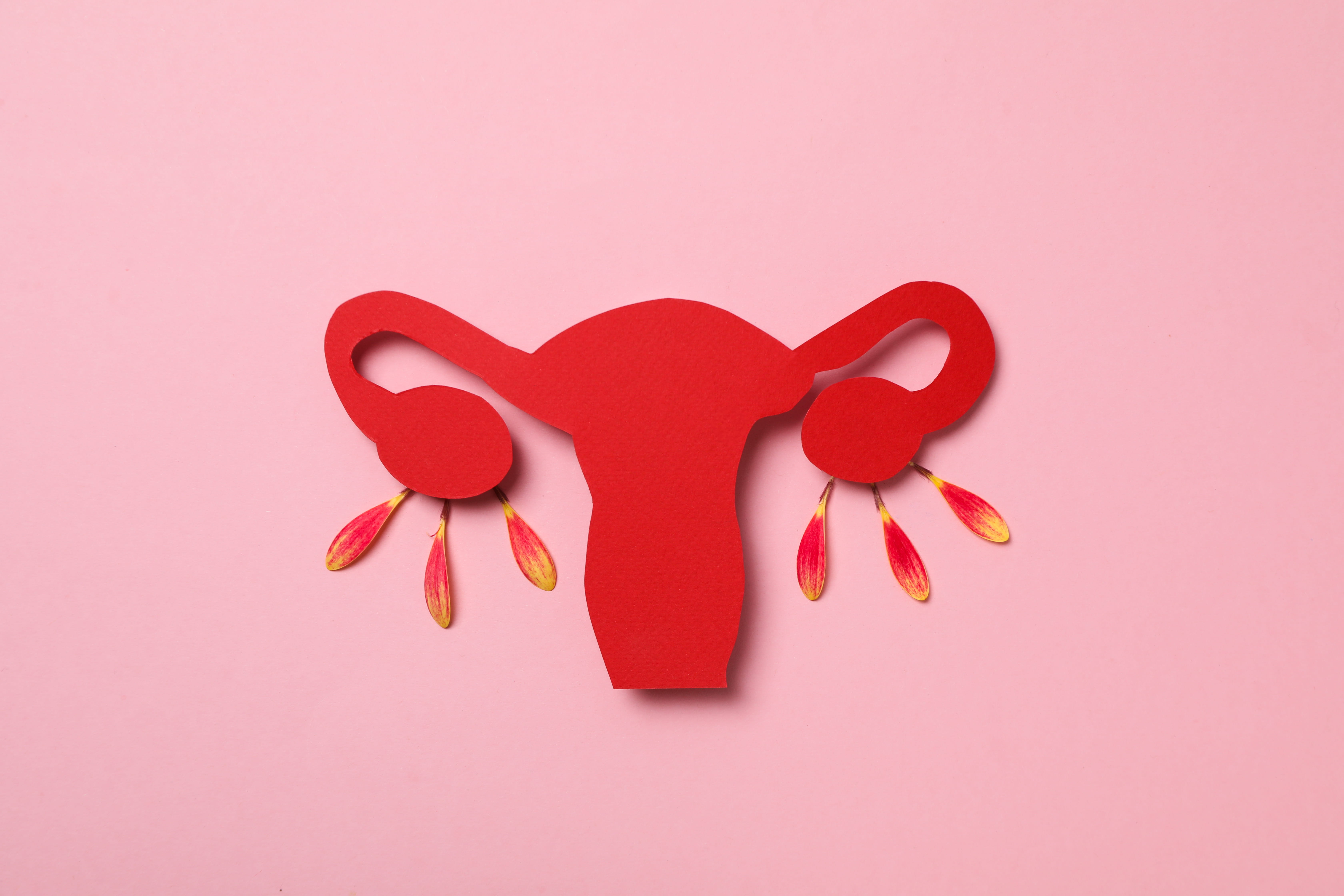
And then we have the production department: your ovaries. The engine room. The ones making things actually happen — hormones, eggs, the whole monthly operation — that everyone depends on but nobody ever really thanks. Sound familiar?
A normal month
In a natural cycle, the director sends short, rhythmic signals to the secretary, who passes them to the ovaries.
"Let's get things moving." "Estrogen looking good, keep going." "Ovulation — let's go." "Wrapping up now."
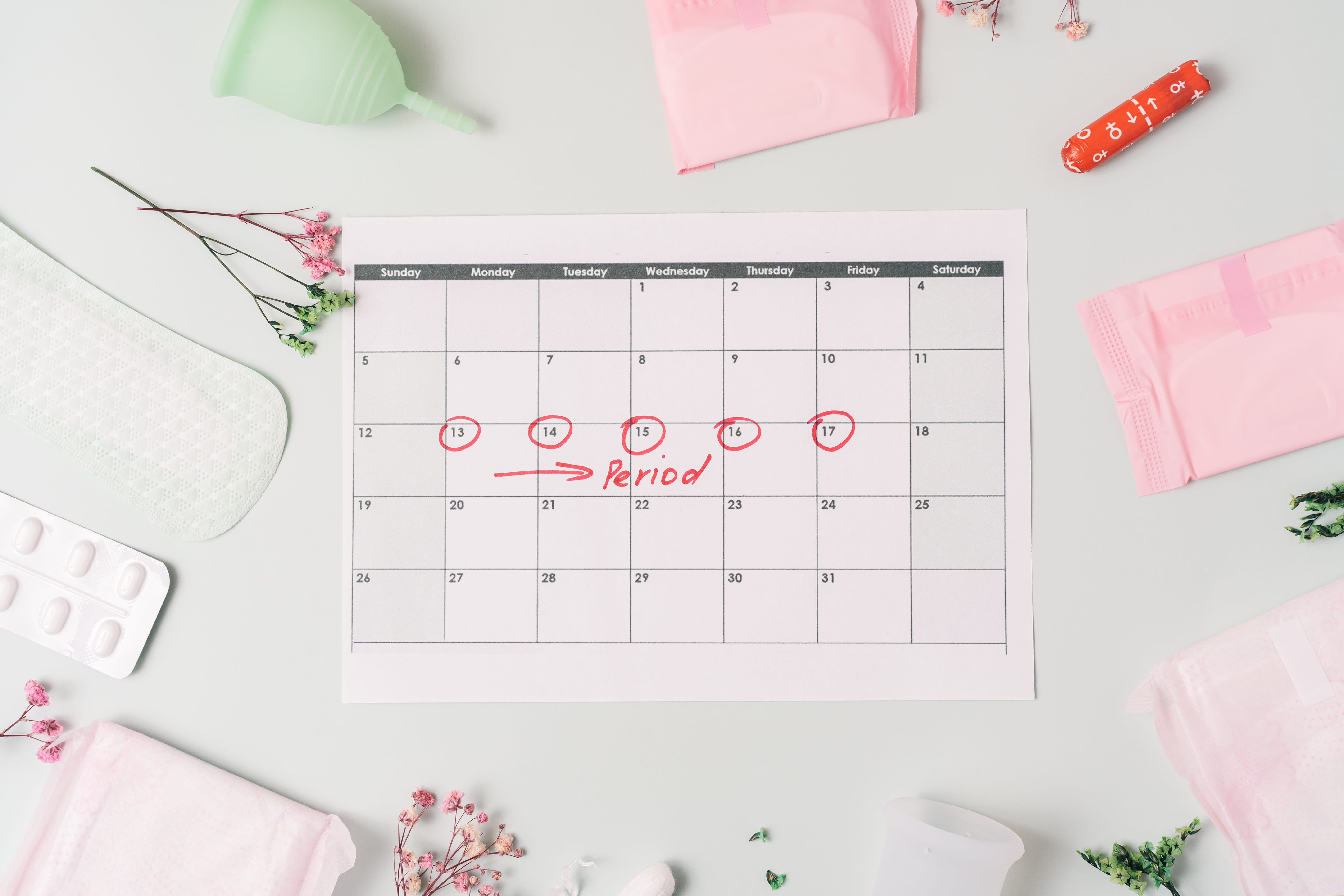
The ovaries respond to each cue. Estrogen rises, an egg is released, progesterone takes over. If no pregnancy happens, hormone levels drop, the lining sheds — your period. Then it starts again.
It's a finely tuned system of communication, running quietly in the background every month without you doing a single thing. Your body is, genuinely, extraordinary.
Now enter the pill
When you start taking it, something changes at the very top of the chain of command.
The director is about to send his usual morning message when he checks the hormone levels and notices they're already elevated. So he thinks: "We're good. No need to do anything."
And he goes quiet. The secretary goes quiet. And the ovaries — with no signals coming in — step back. In most cases, they stop releasing eggs altogether.
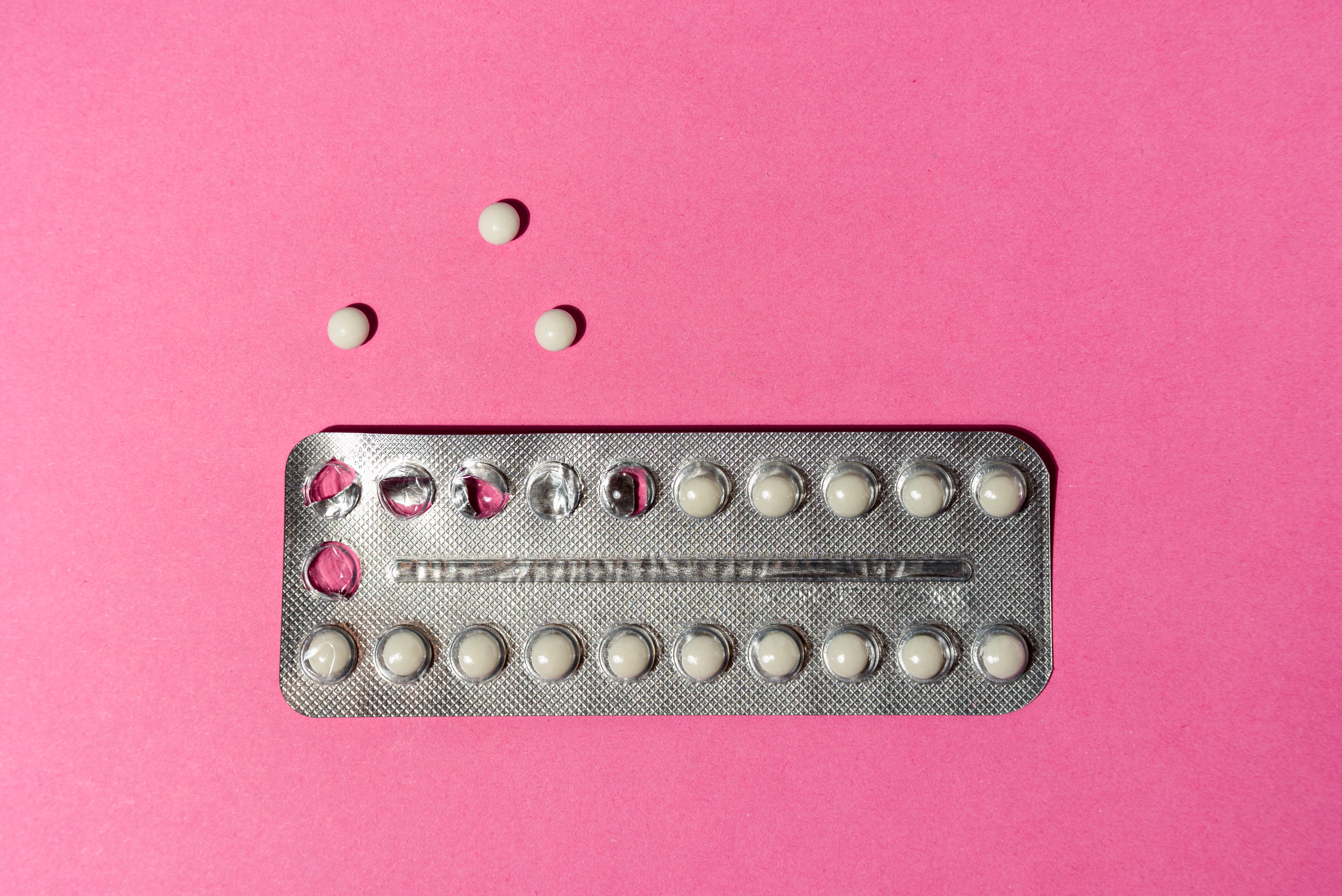
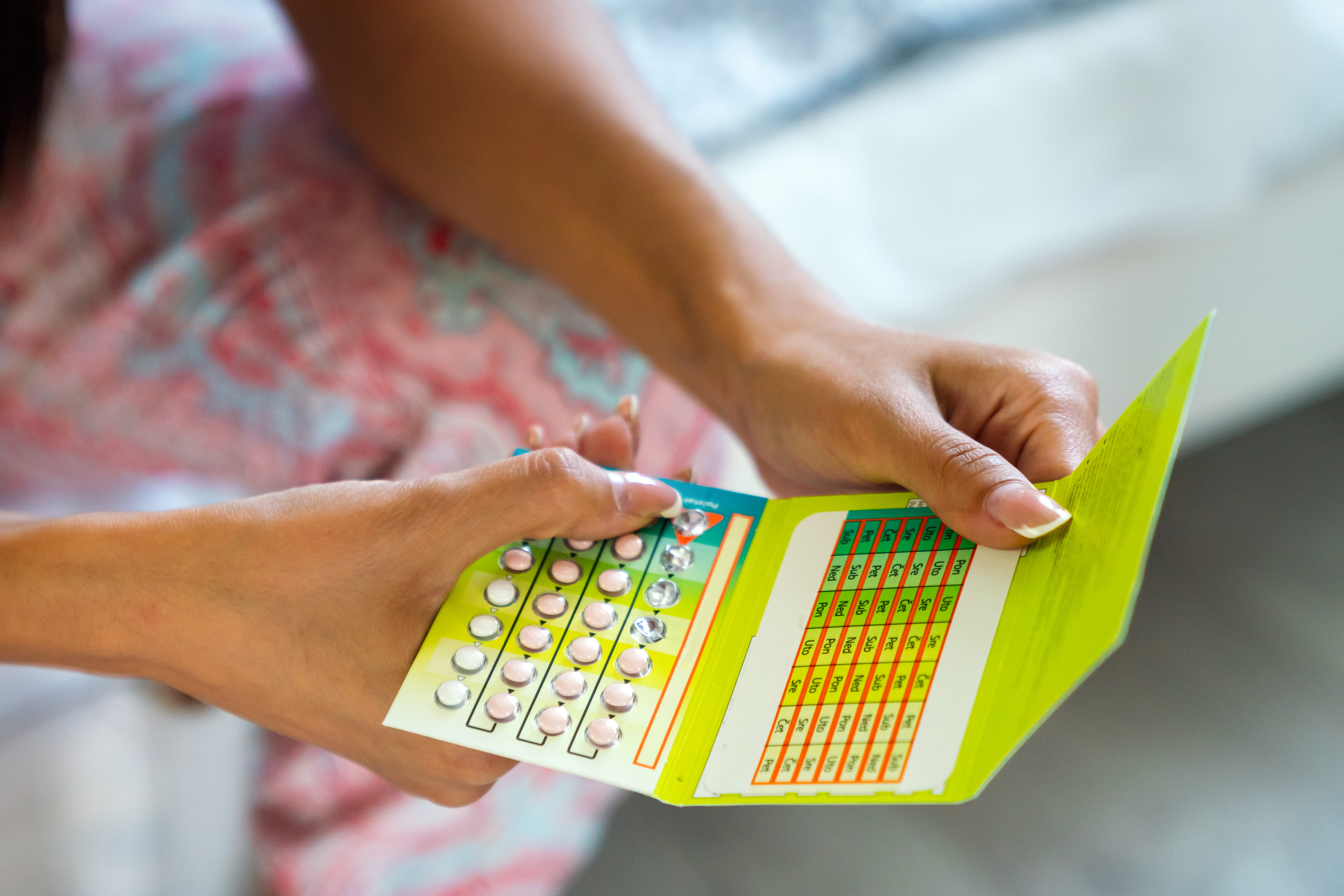
This is how the pill prevents pregnancy. No ovulation, no egg, no fertilisation. Not magic — management.
The synthetic hormones in the pill take over the internal communication system and replace it with steady, external signals that keep everything on a kind of controlled autopilot.
"But I still get a period" — do you, though?
This is where it gets a little mind-bending.
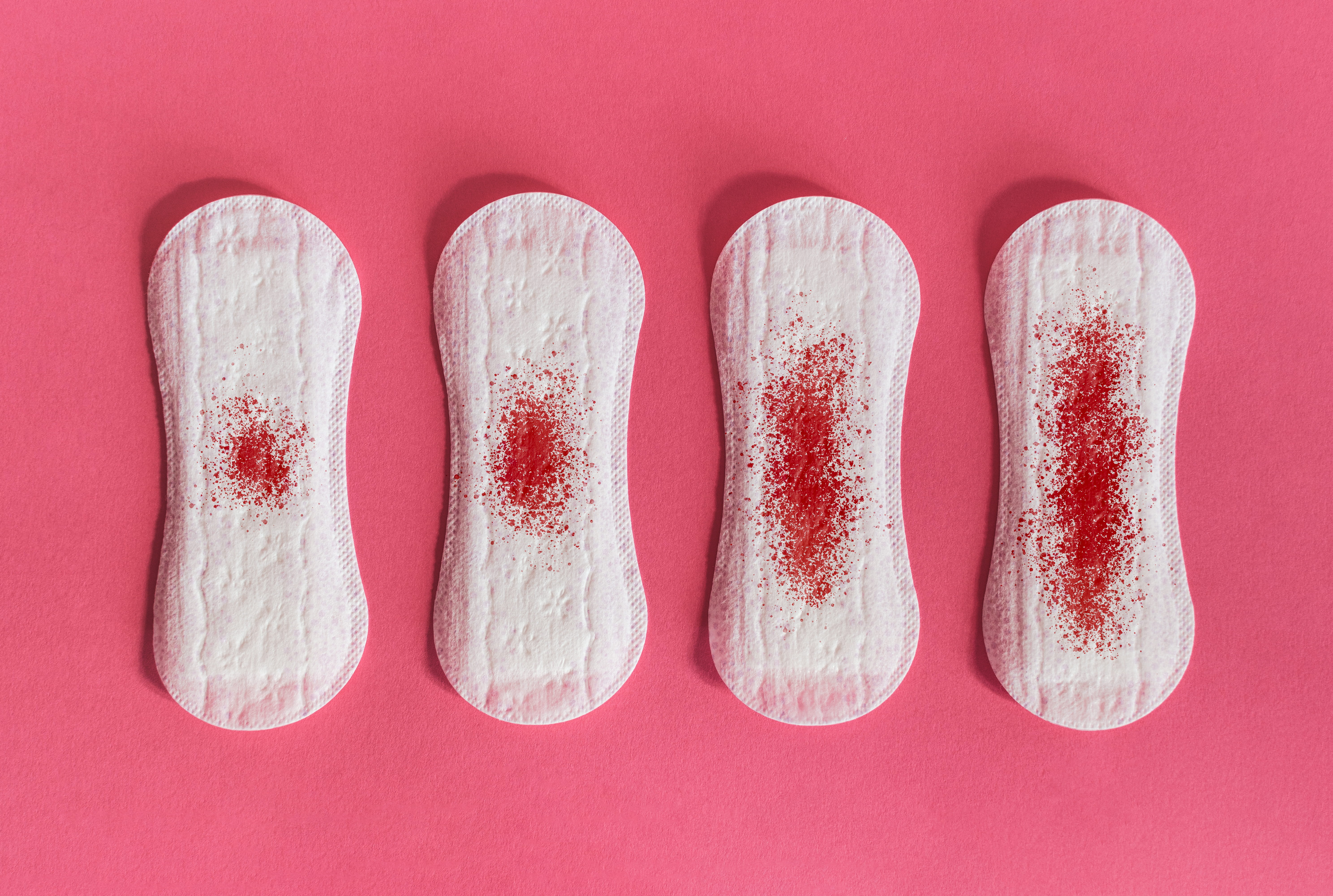
Most women on the pill experience a monthly bleed. It comes reliably, it's often lighter, it feels like a period.
Except it isn't.
Here's what's actually happening: after 21 days of active pills, you take a break. The synthetic hormones — which were keeping everything stable — suddenly drop. The uterine lining responds to that drop and sheds.
That's called a withdrawal bleed. It's your body reacting to the absence of external hormones, not the result of a real hormonal cycle — because there was no real cycle. No ovulation, no natural progesterone surge, no second phase.
The monthly bleed was actually designed in the 1960s largely for psychological reasons — to make the pill feel more familiar. Which, depending on how you see it, is either quite thoughtful or a little bit cheeky. Possibly both.
Why it often feels like things are "better"
Many women find their bleeds on the pill are lighter and less painful. That's real — and here's why.
In a natural cycle, the uterine lining builds up over a month and then has to shed all at once. More tissue means more inflammatory signals, which means more pain. On the pill, the lining is kept thin throughout, so there's simply less to shed.
The important nuance: the body hasn't healed anything. It's been paused. Symptoms ease because part of the system is temporarily offline — not because the underlying cause has been addressed. Which is why, when many women stop the pill, the original symptoms come back. The conversation resumes exactly where it left off.
So what is the pill doing?
It's a tool — a very effective one.
It doesn't balance your hormones. It takes them offline temporarily. It doesn't create a cycle. It creates a stable, controlled environment. It doesn't give you a period. It produces a withdrawal bleed that resembles one.
None of that makes it the wrong choice. For many women, at many points in life, it's exactly right. But "right for me" and "I understand what it's doing" are two things that should go together — and for too long, for too many of us, they haven't.
Final thought
Your body is not a problem to be managed. It's a system that communicates — constantly, intelligently, in response to everything around it.
The pill changes who's leading the conversation. And that can be useful. Liberating, even.
But you deserve to know that the handover is happening.
So the question was never really whether the pill is right or wrong.
The question is: do you understand who's running the show — and are you comfortable with it?
Because you deserve to be the most informed person in that conversation.