Why Do Women Like Rom-Coms?
- Talia Dali
- Mental Health & Hormones
You know the cliché—women are more emotional than men. We cry during heartwarming movies, get goosebumps at that first kiss, and binge romantic comedies like it’s a doctor-prescribed treatment for happiness. While it’s easy to dismiss this as sentimentality, science has a deeper explanation. The culprit? Oxytocin, aka the “love hormone.”
This magical little molecule doesn’t just create emotional reactions. It’s the mastermind behind life’s highs—like the thrill of new love—and the tears you shed when The Notebook crushes your soul.
What Is Oxytocin?
Oxytocin is a nine-amino-acid peptide (for the science buffs) produced in the hypothalamus, the brain’s emotional control center. It’s released by the posterior pituitary gland and influences everything from emotional bonding to physical touch.
Interestingly, both men and women produce similar amounts of oxytocin. However, thanks to estrogen making women’s oxytocin receptors more sensitive, women tend to feel its effects more intensely. This hormone drives key behaviors like empathy, nurturing, and—you guessed it—crying over rom-coms.
When oxytocin is released—through touch, connection, or shared emotions—we feel trusting, affectionate, and connected. It’s like a biochemical hug for your brain, which is why we crave closeness during feel-good moments.

Oxytocin Across Life Stages
You might think oxytocin is all about romance, but no. This neuropeptide is like an overbooked life coach—managing everything from your mood to childbirth with a gentle whisper: “You’ve got this.”
1. Menstrual Cycle: Hello, Social Butterfly
You know that tingling feeling? Like you suddenly want to dance, laugh, and hang out with your friends? It’s probably ovulation approaching. Right before it hits, oxytocin levels spike, making you feel extra social and emotionally open. It’s your body’s way of saying, “Go forth and bond… or maybe flirt a little.”

2. Pregnancy & Birth: From Bliss to… Ouch
Remember those dreamy moments when you and your partner talked about starting a family? Oxytocin was there, fueling all the warm fuzzies. Fast forward to the delivery room—now it’s screaming “Push!” and triggering contractions that feel like the seven circles of hell.
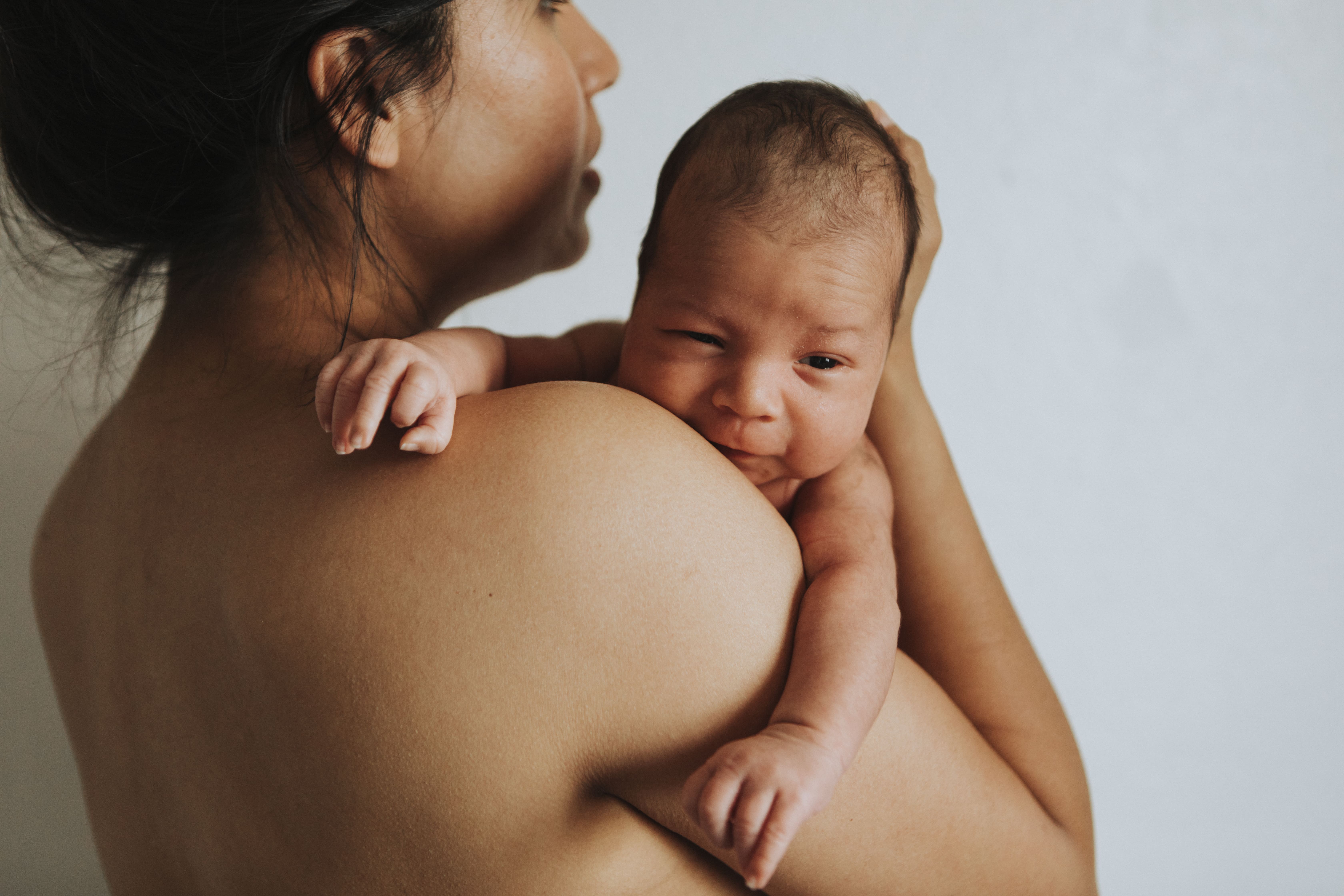
Thankfully, endorphins swoop in like backup dancers to give you a euphoric high (you’ve earned it). After delivery, oxytocin prevents postpartum hemorrhage and promotes instant maternal bonding, turning sleep-deprived moms into soft-hearted superheroes.
3. Lactation: Oxytocin on Tap
Ever heard of the “let-down reflex”? That’s oxytocin in action. As your baby nurses, oxytocin pulses prompt milk ejection like a well-synchronized system.
It also deepens maternal instincts, so even when you’re exhausted and craving caffeine, you still feel connected to your little one (in between breakdowns over spilled milk… literally).
4. Postpartum and Maternal Health: When Oxytocin Takes a Break
After birth, oxytocin doesn’t stay sky-high. Combined with an estrogen drop and chronic sleep deprivation, levels can plummet, making it harder to bond. Sleep loss disrupts your emotional regulation, reduces oxytocin sensitivity, and amplifies stress. When this scaffolding is unstable, even simple tasks feel overwhelming.
This hormonal rollercoaster explains why new mothers can struggle with postpartum depression—proof that emotional health is a delicate balance.
5. Menopause: The Great Oxytocin Decline
Ah, menopause, that phase where your body says, “We’re done here.” Oxytocin secretion nosedives as estrogen levels drop, causing classic symptoms like mood swings, anxiety, and sleep disturbances.
With oxytocin on a prolonged coffee break, social bonding may feel harder, which is why maintaining strong friendships becomes vital. The emotional support of loved ones can balance this hormonal shift, keeping you grounded.

The “Love Hormone” and La Vie en Rose
Oxytocin isn’t called the “love hormone” for nothing. Imagine you’re on a date with someone you really like. They touch your hand, and suddenly you feel a warm rush of joy. That’s oxytocin flooding your system. It’s the same sensation Edith Piaf captured in “La Vie en Rose”—when oxytocin surges, the world really does seem rosier.
This oxytocin-fueled euphoria defines the honeymoon phase of relationships. But like all highs, it fades as levels stabilize. Enter The Matrix analogy: oxytocin is the blue pill that blinds you to your partner’s quirks (loud chewing, socks on the floor). When reality kicks in (hello, red pill), you finally notice those quirks—but that’s when real love takes root.

Oxytocin and Rom-Coms: A Match Made in Heaven
Romantic comedies are like oxytocin in cinematic form. They whisk us through meet-cutes, misunderstandings, and grand gestures, giving us a rush of feel-good hormones. No, you probably won’t meet your soulmate by spilling coffee on them in a New York café, but rom-coms tap into our universal desire for connection.
Watching one can trigger oxytocin release, which explains why you feel warm and fuzzy after a good cry over Love Actually or Notting Hill.

Happy Valentine’s Day!
So, whether you’re snuggled up with a partner, your best friend, or your favorite blanket this Valentine’s Day, remember: your love of rom-coms is backed by science! Oxytocin is here to keep your heart full and your spirits high.
Stay cozy, stay loved, and most importantly—Happy Valentine’s Day!
Reference
Liu, N., Yang, H., Han, L., & Ma, M. (2022). Oxytocin in women’s health and disease. Frontiers in Endocrinology, 13(786271).
Insel, T. R. (1992). Oxytocin—a neuropeptide for affiliation: Evidence from behavioral, receptor autoradiographic, and comparative studies. Psychoneuroendocrinology, 17(1), 3–35.