Sugar Through the Lens of Traditional Chinese Medicine
- Talia Dali
- Food & Hormones, Complementary Medicine & Hormones
Why Pickles, Soup, and Your Grandmother Knew Things
Long before glucose monitors, insulin curves, and nutrition apps, Traditional Chinese Medicine had already noticed something essential:
It’s not just what you eat.
It’s how your body handles it.
In TCM, sugar is not discussed in terms of calories, glycaemic index, or insulin response. It’s discussed in terms of movement, warmth, and balance - and more specifically through the lens of the Earth element, which governs digestion, nourishment, and stability.
Once you start looking at sugar through that lens, a lot of modern metabolic confusion suddenly makes sense.
Sweet Is Nourishing… Until It Isn’t
In TCM, the sweet taste belongs to the Earth element. Sweet foods are naturally nourishing. They calm, ground, and build energy. They support digestion, energy production, fluid metabolism, and even mental clarity and emotional stability.
So far, so good.
The problem is not sweetness itself.
The problem is too much sweetness, too often, and without support.
When sweet foods, especially refined sugar, are overconsumed, the Earth element becomes overwhelmed. The Stomach struggles to break food down efficiently, and the Spleen struggles to transform it into usable energy. In TCM, this leads to Dampness, a state where things stop moving properly.
Energy feels heavy instead of lively. Fluids feel sticky instead of flowing.
In modern language, Dampness looks a lot like fatigue after meals, bloating, foggy thinking, cravings, fluid retention, and insulin resistance.
Different language. Same body.

The Spleen, Sugar, and Women’s Energy
Women are particularly sensitive to Earth element imbalance.
The Spleen doesn’t just manage digestion; it also supports blood production, hormonal balance, and emotional resilience. When the Spleen is weakened, women often experience sugar cravings, low energy, heavy periods, PMS, overthinking, and that familiar feeling of being “tired but wired… and somehow still hungry.”
From a TCM perspective, this is not a discipline issue.
It’s a fuel-processing issue.
And this is where the solution becomes wonderfully unsexy.
Enter: Pickles, Sour Foods, and the Art of Starting a Meal Properly
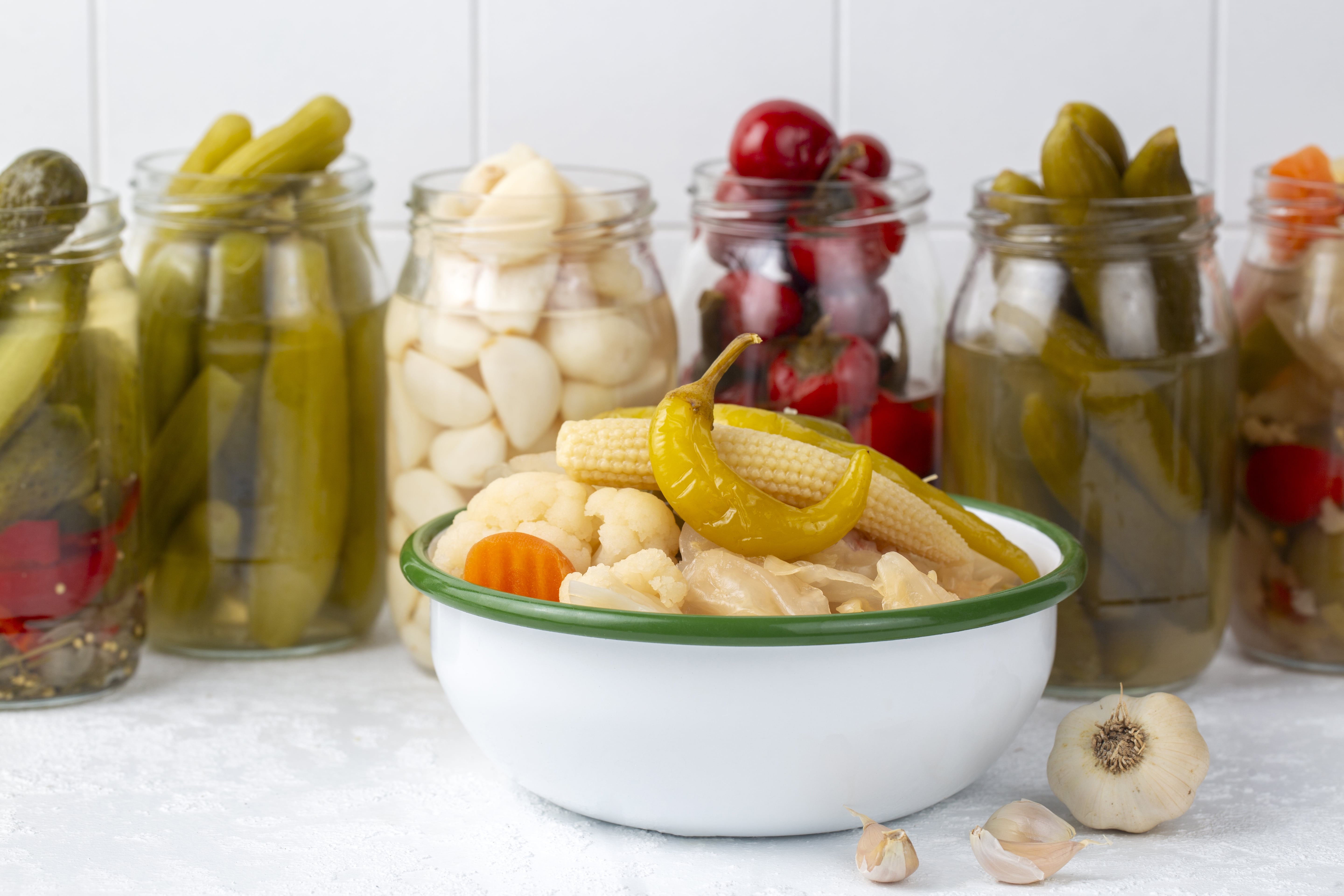
In many traditional cultures, meals don’t start with bread or dessert. They start with something sour, bitter, or fermented. A few pickles. Some sauerkraut. A small salad with vinegar. Something crunchy that wakes up your mouth - and your digestion.
TCM loves this.
Sour flavors gently stimulate the Stomach, preparing it to receive food, while also supporting the Spleen’s ability to transform it. They encourage movement, prevent Dampness from forming, and help sweetness behave more like nourishment than overload.
In modern terms, they slow glucose absorption and improve insulin response.
In other words: your body gets a polite heads-up that food is coming, rather than being ambushed by sugar.
This is why vinegar, lemon juice, fermented vegetables, and veggie starters work so well. They don’t block sugar. They prepare the terrain.
Preparing the Terrain
TCM doesn’t treat digestion as a passive process. It treats it like a fire that needs tending.
The Stomach is the cooking pot. It likes warmth, rhythm, and predictability. Cold foods, raw foods, and sweet foods all have a cooling effect. Combine them - ice cream, smoothies, iced coffee with sugar - and digestion slows dramatically.
That’s why TCM practitioners quietly wince when breakfast looks like cold yogurt with fruit in winter. The digestive fire hasn’t even had its morning coffee yet.
IIf you’ve ever travelled in Asia, you’ve probably noticed that breakfast often looks like what we, in the West, would eat for lunch or dinner - soups, broths, rice dishes, warm vegetables.
Why?
Because warm, structured meals help the Stomach do its job properly, so the Spleen doesn’t get overwhelmed later. And that brings us to the most underrated metabolic medicine of all time.

Chicken Soup: The Original Metabolic Support
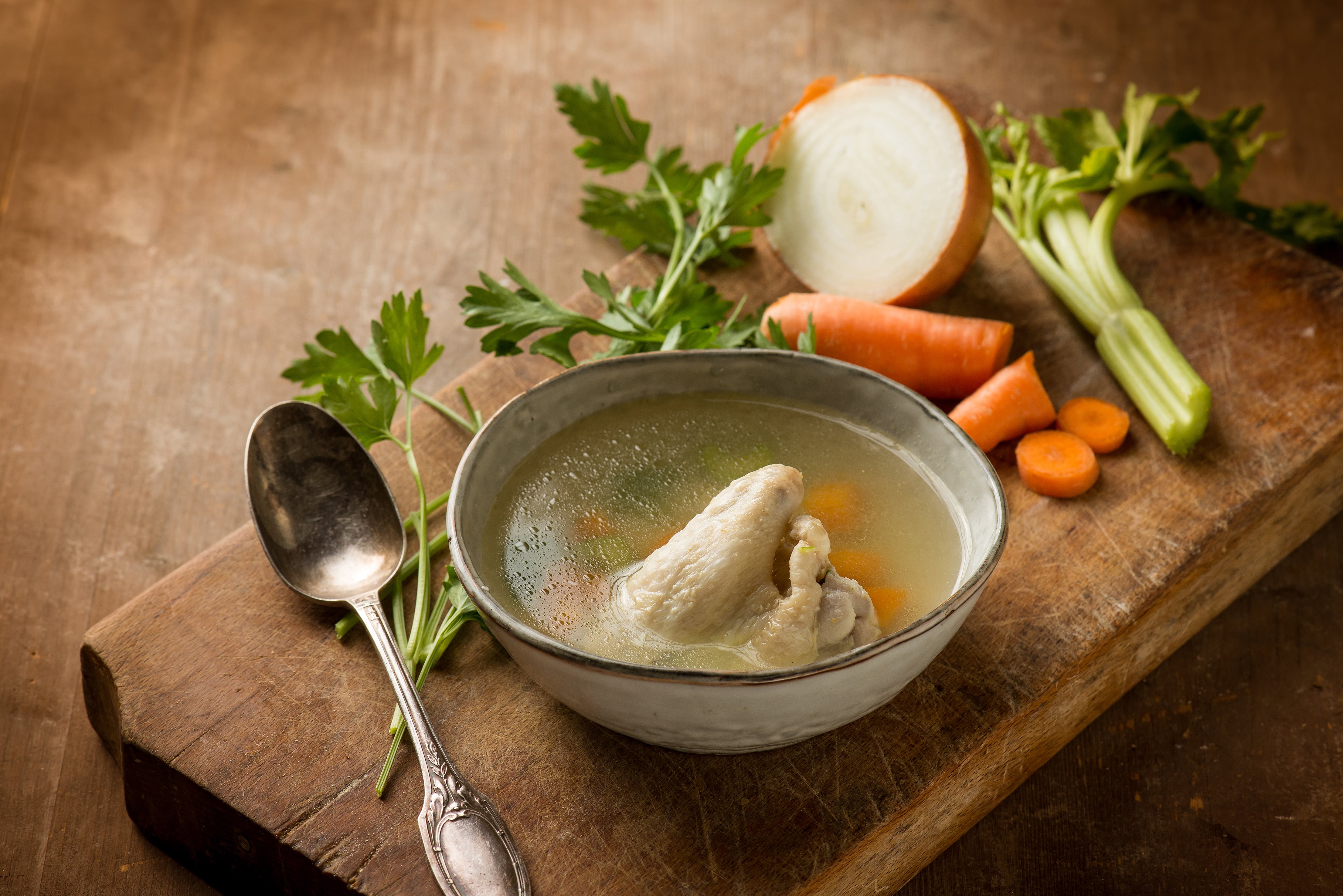
In TCM, chicken soup is basically medicine.
Why? Because it warms the Stomach, nourishes the Earth element, and strengthens Spleen Qi. It provides protein, gentle fat, minerals, and warmth - everything a tired digestive system needs to get back on track.
Translated into modern language, chicken soup supports digestion, stabilises blood sugar, and reduces stress hormones - making glucose easier to handle.
So when your grandmother prescribed soup when you were exhausted, hormonal, or “not yourself,” she wasn’t being sentimental.
She was doing metabolic medicine.
The Beautiful Overlap Between TCM and Modern Science
What’s striking is how well TCM observations align with modern glucose research.
When digestion is supported, blood sugar behaves better.
When food is warm, structured, and balanced, insulin calms down.
When meals start gently, sugar stops causing chaos.
TCM never demonised sugar. It just insisted on context.
Eat sweet foods after meals. Combine them with warmth, protein, and fat. Avoid overwhelming a tired system. And for the love of your Spleen, stop eating cold food.
The Takeaway
From a TCM perspective, sugar isn’t the problem.
A cold, stressed, undernourished Earth element is.
So yes, have your dessert. Just don’t throw it at a body that’s exhausted, frozen, and unprepared.
Add some pickles. Drink something warm. Eat real meals. Make friends with soup.
Your Stomach, your Spleen, your insulin, and your hormones will all quietly sigh in relief.
Balance was always the goal.
Reference
Pitchford, P. (2002). Healing with whole foods: Asian traditions and modern nutrition (3rd ed.). North Atlantic Books.