Hormones: The Language of Your Body
Let me start with something I often say to women, and it usually lands a bit differently than expected:
You don’t just have hormones.
You are in a constant conversation with them.
They shape how you wake up, how you think, how you respond, how you feel in your body. They influence your energy, your mood, your appetite, your sleep, your desire to connect… or to be left alone.
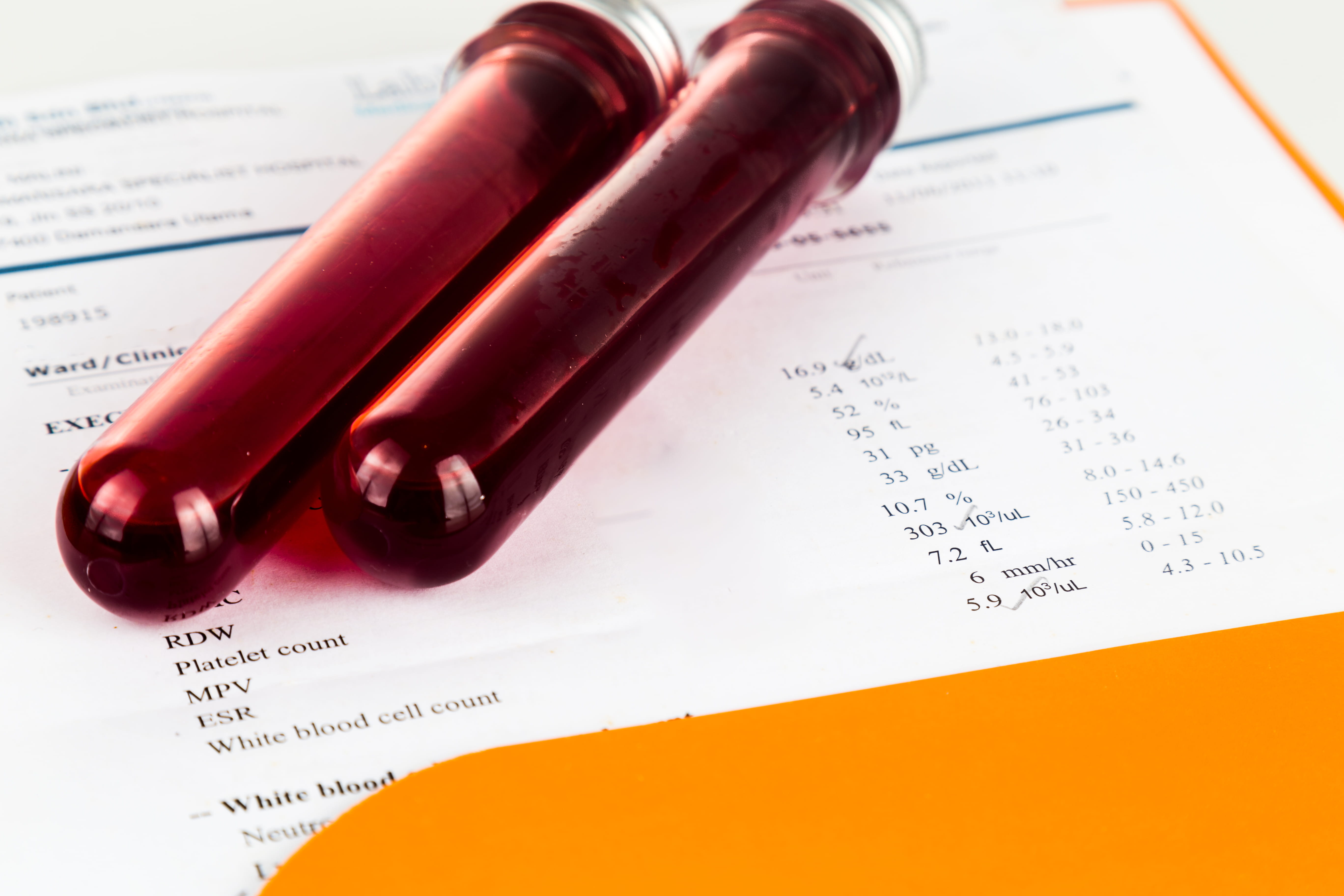
And yet, most of us were taught to think of hormones as numbers on a blood test.
Low. High. Normal.
As if that could explain everything.
So what are hormones, really?
Hormones are chemical messengers, yes.
But more importantly, they are part of a communication system, and that system begins in your brain.
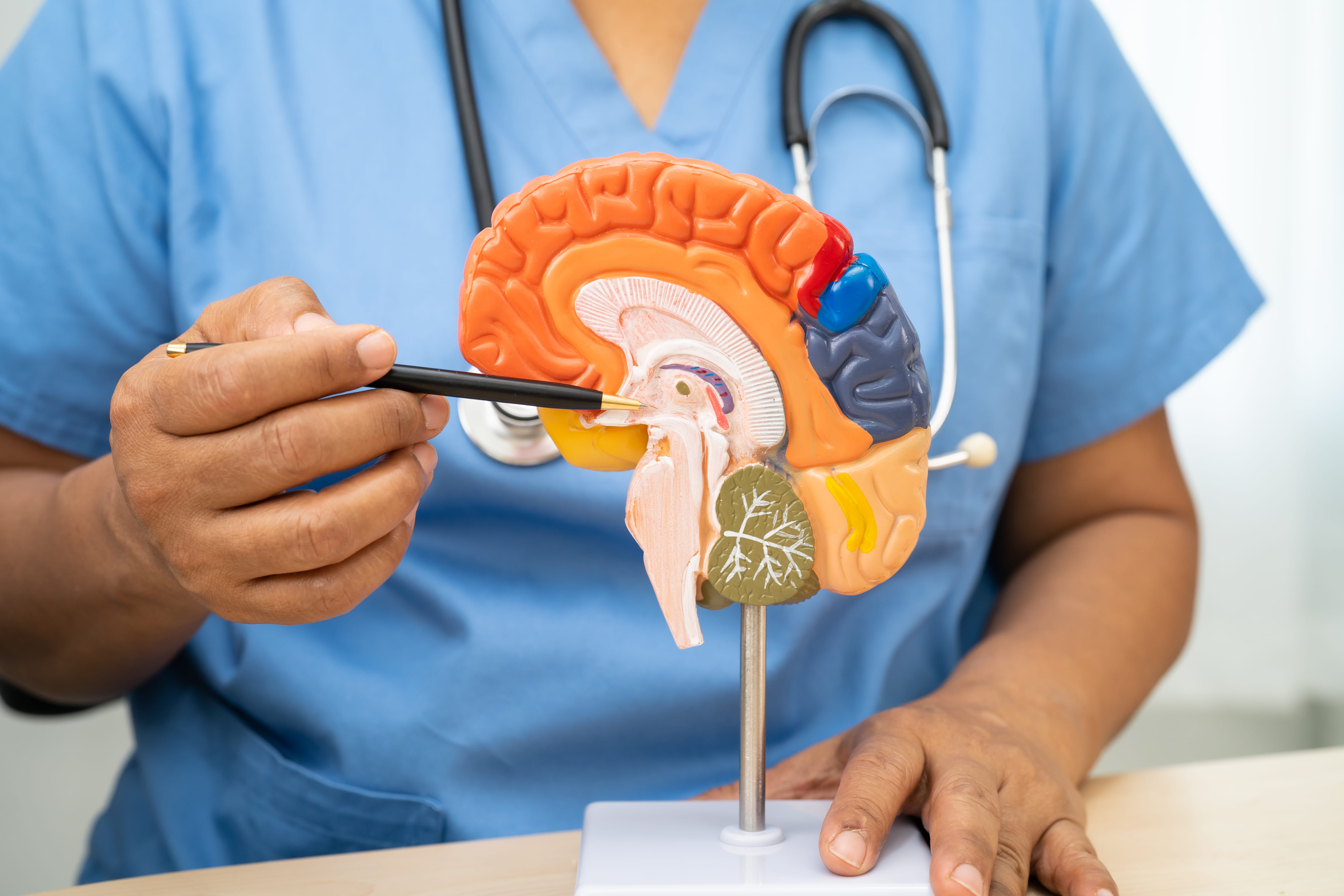
If your body were a company, your hypothalamus (part of your brain) would be the director.
Quiet, discreet, but always watching.
It pays attention to everything: light, sleep, stress, food, safety, emotional environment. It constantly asks:
“Are we okay?”
“Do we have enough energy?”
“Is it the right moment to invest resources?”
And then, instead of shouting orders, it sends short, precise instructions - pulses.
The director and the secretary
These pulses are passed on to the pituitary gland, the secretary who makes the calls.
She contacts the different departments - your ovaries, your thyroid, your adrenal glands - and tells them what to do.
And then something very important happens.
Those departments report back.
They produce hormones, and those hormones go back to the brain as feedback.
“Production is sufficient.”
“We need more support.”
“Something is off.”
This is what we call a feedback loop.
Not a one-way command.
A conversation.

Why timing matters more than values
Here’s where things get interesting.
The director doesn’t send one big instruction in the morning and go for coffee.
He sends messages throughout the day.
And the rhythm of those messages matters.
Fast pulses lead to one response.
Slower pulses lead to another.
This is how your menstrual cycle is created.
Not by a single hormone, but by the timing of signals between your brain and your ovaries.
Which is why measuring one hormone at one moment is like reading one sentence of a conversation and trying to understand the entire story.
The orchestra you feel every day
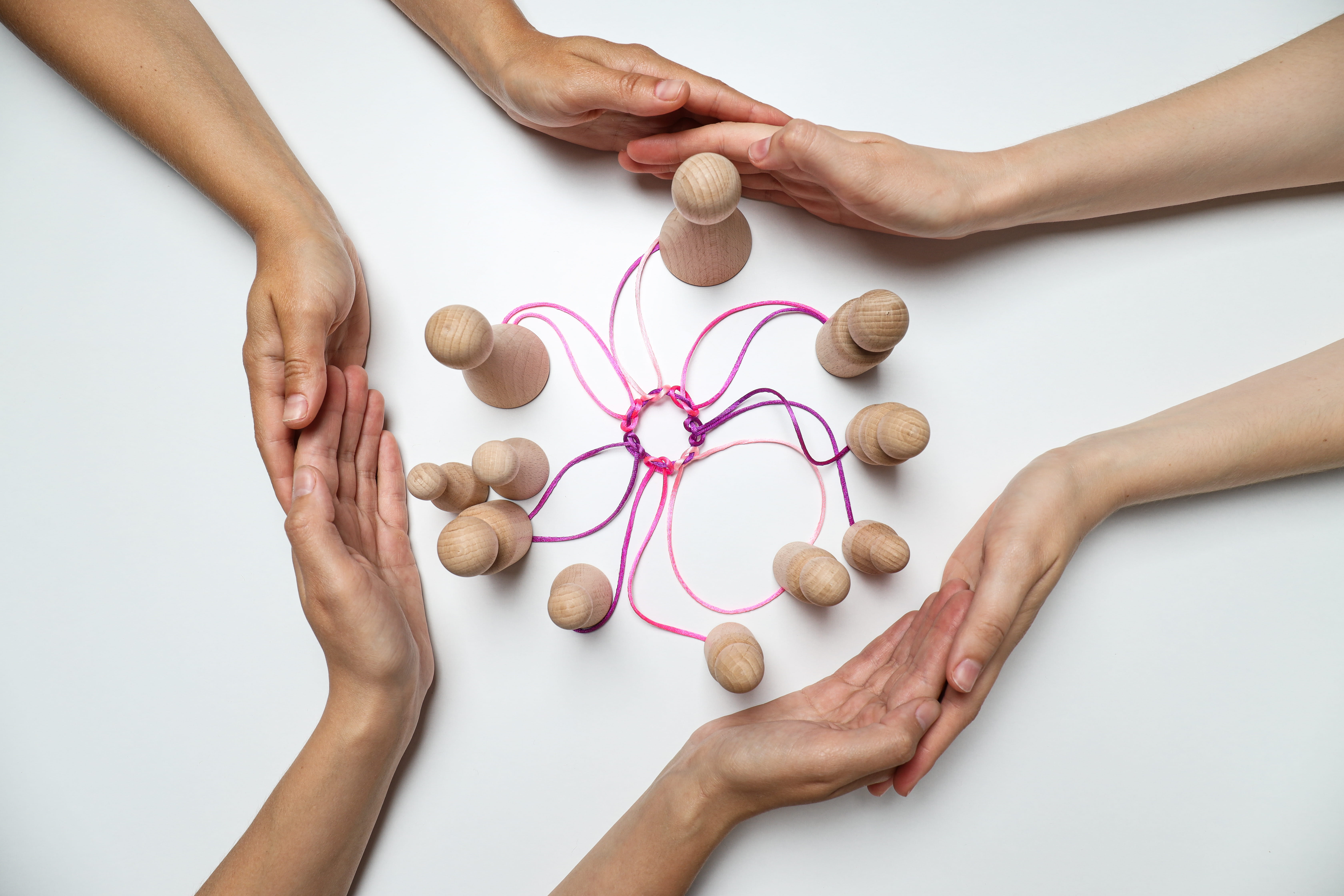
Now imagine that instead of one department, you have several, all working together.
Estrogen is the one that brings expansion. You feel more open, more social, more outward. It’s the moment where you say yes to plans, where ideas flow more easily.
Progesterone changes the tone. It brings calm, grounding, and supports sleep. When it’s low, women often feel restless, more sensitive, or have difficulty switching off at night.
Testosterone supports drive. It’s what helps you move, train, initiate, desire.
Cortisol helps you react and adapt to stress — incredibly useful, until it stays elevated for too long and starts interfering with everything else.
Insulin regulates your energy. When it fluctuates too much, you feel it immediately: cravings, dips, irritability, fatigue.
This is not random.
This is your internal orchestra.
And like any orchestra, it depends on coordination.
Puberty, cycles, aging — the same system evolving
At some point in life, this system “turns on” more fully.
That’s puberty.
Not because of a sudden switch, but because the director - your hypothalamus - starts sending stronger, more frequent signals.
The conversation becomes louder.
The ovaries respond. Hormones rise. The body changes.
Later in life, the conversation shifts again.
Not abruptly. Gradually.
The signals are still sent, sometimes even more intensely, but the response from the ovaries becomes less consistent.
Cycles become irregular. Hormone levels fluctuate more.
Eventually, ovulation stops.
This is menopause.
Not silence.
But a different way of communicating.
What you feel is real
When women say:
“I feel anxious before my period,”
“I wake up at 3am for no reason,”
“I’m exhausted but can’t relax,”
“I don’t feel like myself anymore,”
These are not vague complaints.
They are expressions of shifts in this communication system.
Low progesterone can feel like anxiety and poor sleep.
Fluctuating estrogen can feel like mood swings or brain fog.
Unstable blood sugar can feel like cravings and energy crashes.
Chronic stress can leave you wired and tired at the same time.
Your body is not being difficult.
It’s responding to signals.

And what about the world around you?
Your hormones don’t exist in a vacuum.
They are influenced by everything you live through - and also by substances in your environment.
Certain compounds found in plastics, cosmetics, and pesticides can mimic estrogen in the body. They bind to the same receptors and send similar signals.
From your body’s perspective, it doesn’t matter where the signal comes from.
It reacts.
And sometimes, that creates confusion in the system.
Heavier periods. More pronounced PMS. Breast tenderness. Cycle irregularities.
Again — not random.
Just the body trying to make sense of mixed messages.
So what is the wise approach?
Not control.
Not perfection.
But awareness.
Understanding that your body is not meant to feel the same every day.
That fluctuations are not failures.
That symptoms are often messages, not problems to silence immediately.
Instead of asking, “What’s wrong with me?”
You begin asking, “What is my body responding to right now?”

Final thought
Hormones are not here to destabilize you.
They are here to help you adapt to your life.
And once you start understanding the conversation…
you stop fighting your body and start listening to it.