Endometriosis and Infertility: The Complex Relationship
Endometriosis is one of the most common causes of infertility, yet its exact mechanism remains somewhat mysterious. Theories suggest that scar tissue formed by the condition can obstruct the fallopian tubes or alter ovarian function, preventing the release of eggs. Additionally, the inflammatory environment caused by endometriosis may affect egg quality or implantation, further complicating the journey to conception.
As a therapist working regularly with patients navigating infertility and endometriosis, I have seen firsthand the emotional and physical toll this condition takes. Many women come to me feeling lost and overwhelmed, seeking hope and answers. While the path is rarely easy, there is room for optimism with the right approach.
Pregnancy and Endometriosis: Temporary Relief or Long-Term Solution?
Many women with endometriosis report a significant reduction—or even complete disappearance—of symptoms during pregnancy. This improvement is linked to the hormonal shifts that occur during this time. Let’s take a closer look.
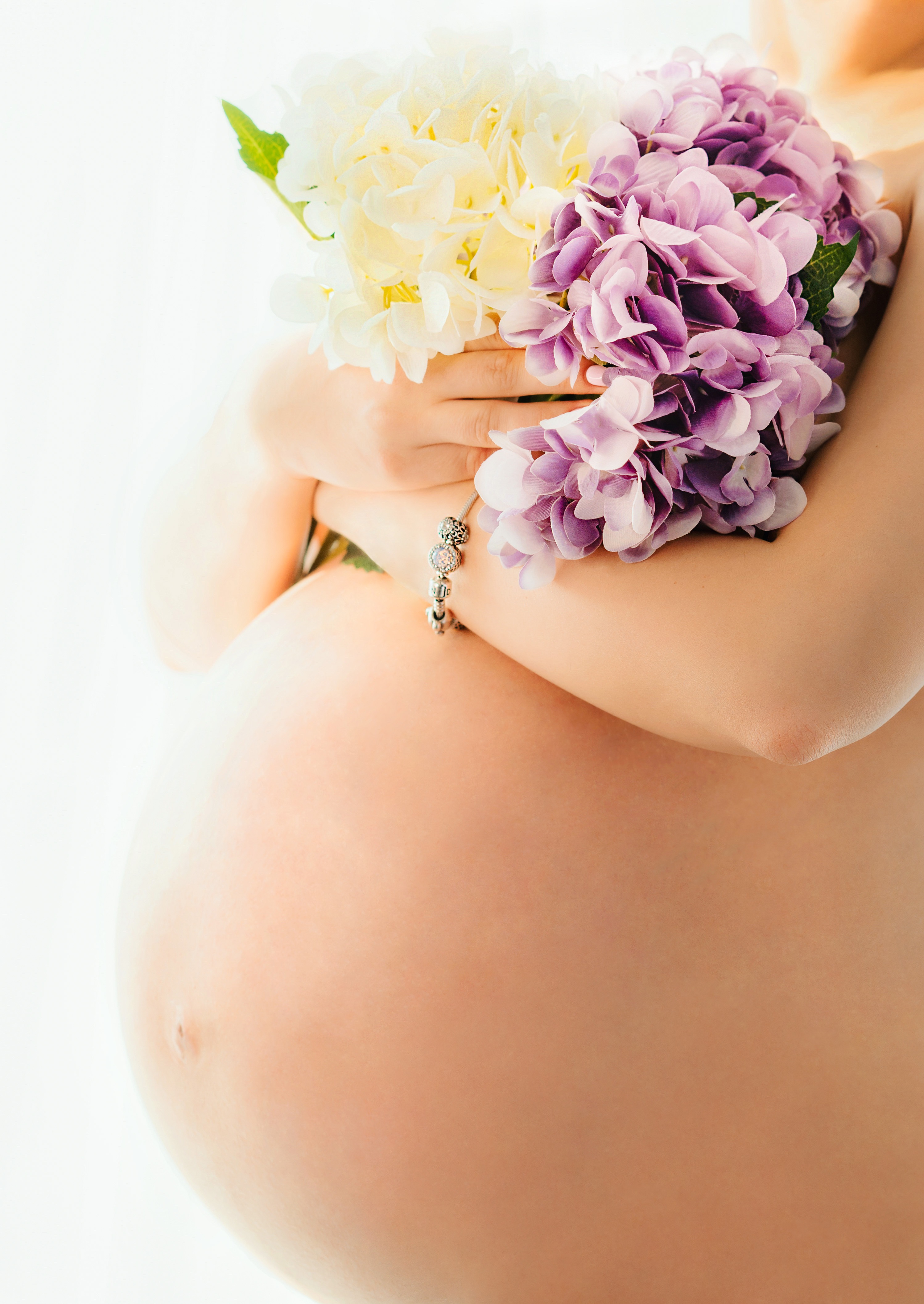
Increased Progesterone During Pregnancy
One of the dominant hormones in pregnancy is progesterone, which increases substantially. Often called nature’s anti-inflammatory, progesterone can play a major role in alleviating endometriosis symptoms:
• Anti-inflammatory properties: Progesterone suppresses the immune response and reduces inflammation, which is a key driver of endometriosis symptoms. Endometrial tissue causes inflammation in the pelvis, and progesterone helps to calm this response.
• Suppression of the menstrual cycle: During pregnancy, progesterone halts ovulation and menstruation, which are primary triggers for the growth and irritation of endometrial tissue. This hormonal pause often provides relief from pain and discomfort.
Anecdotes From My Practice
In my practice, I’ve had several patients with endometriosis who found their symptoms dramatically diminished or even gone after pregnancy. While these experiences bring hope, it’s important to acknowledge that they are subjective accounts. None of these women underwent imaging or exploratory procedures to confirm the absence of lesions—our focus was on the absence of symptoms and achieving the quality of life they desired. This isn’t a medical study, but rather, life as we experience it.
It’s worth noting that relief during pregnancy doesn’t guarantee permanent resolution. For some women, symptoms return postpartum when hormonal levels shift, but for others, the severity decreases, offering them a new sense of balance and control.
The Evidence-Based Perspective
Scientific research supports the idea that pregnancy can provide temporary relief for endometriosis symptoms. However, studies also reveal that this relief is often short-lived:
• A study in Human Reproduction found that 75-85% of women experience a recurrence of symptoms within two years after delivery.
• Some studies suggest that smaller endometriotic lesions may become inactive due to continuous high levels of progesterone during pregnancy, though this effect is not typically permanent.
• Hormonal shifts after childbirth, particularly the return of estrogen and the menstrual cycle, often reactivate symptoms.
Navigating Endometriosis and Infertility Holistically
Endometriosis has no cure, but its symptoms can be managed effectively with a holistic approach. In my practice, I emphasize a combination of dietary adjustments, stress management, complementary therapies, and, when appropriate, medical interventions.
For those pursuing pregnancy, managing endometriosis symptoms can help create the optimal conditions for conception. While the journey may be complex, I’ve witnessed incredible resilience and success in my patients who embrace a multifaceted approach.

A Note of Encouragement
If you are navigating infertility and endometriosis, know that you are not alone. With a tailored plan and support, it is possible to regain control, improve your quality of life, and, for many, fulfill the dream of parenthood. Together, we can explore how best to manage your symptoms and align your health with your goals.
Let’s focus on what is possible—and take meaningful steps forward.
References
1. Burney & Giudice (2012). Pathogenesis and pathophysiology of endometriosis.
2. Zhao et al. (2012). The impact of ovarian endometrioma on IVF/ICSI outcomes: A retrospective cohort analysis.
3. Bulun (2009). Endometriosis.
4. Kvaskoff et al. (2015). Endometriosis and adverse pregnancy outcomes: A systematic review and meta-analysis.
5. Vercellini et al. (2013). The recurrence of endometriosis: A systematic review of selected data.
6. Brosens et al. (2013). The impact of pregnancy on the recurrence of endometriosis: Evidence-based insights.Title